
Sidestreet Travel strives to showcase a slower, more immersive way to travel. The goal is to provide tips and recommendations that showcase the best local offerings of a place with local, independent, and unique experiences at the core. Travel is an exceptional opportunity to explore, learn, and expand your perspective.
-
Neighbourhood: Centro Histórico, Mexico City
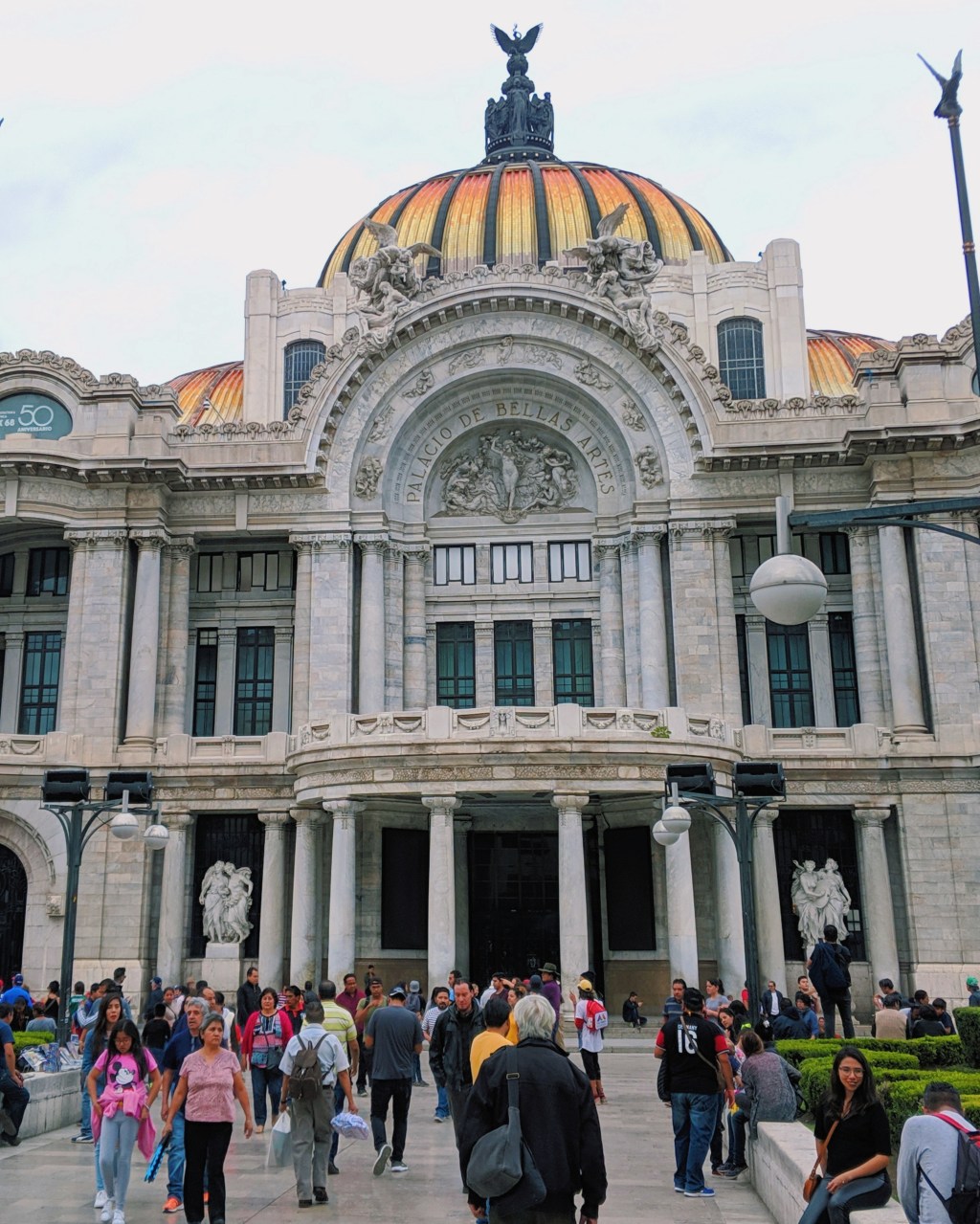
The Centro Histórico in Mexico City is a lively and dense neighbourhood, bustling with street vendors selling all manner of things. It has a mix of museums, parks, cultural centers, restaurants, and major shopping districts. It is also the site of the Zocalo, the major plaza in front of the government building. There is a historical charm to this neighbourhood that drew me in; I loved the street vendors and all the street markets in the alleys. It is a bustling neighbourhood that requires your full attention.
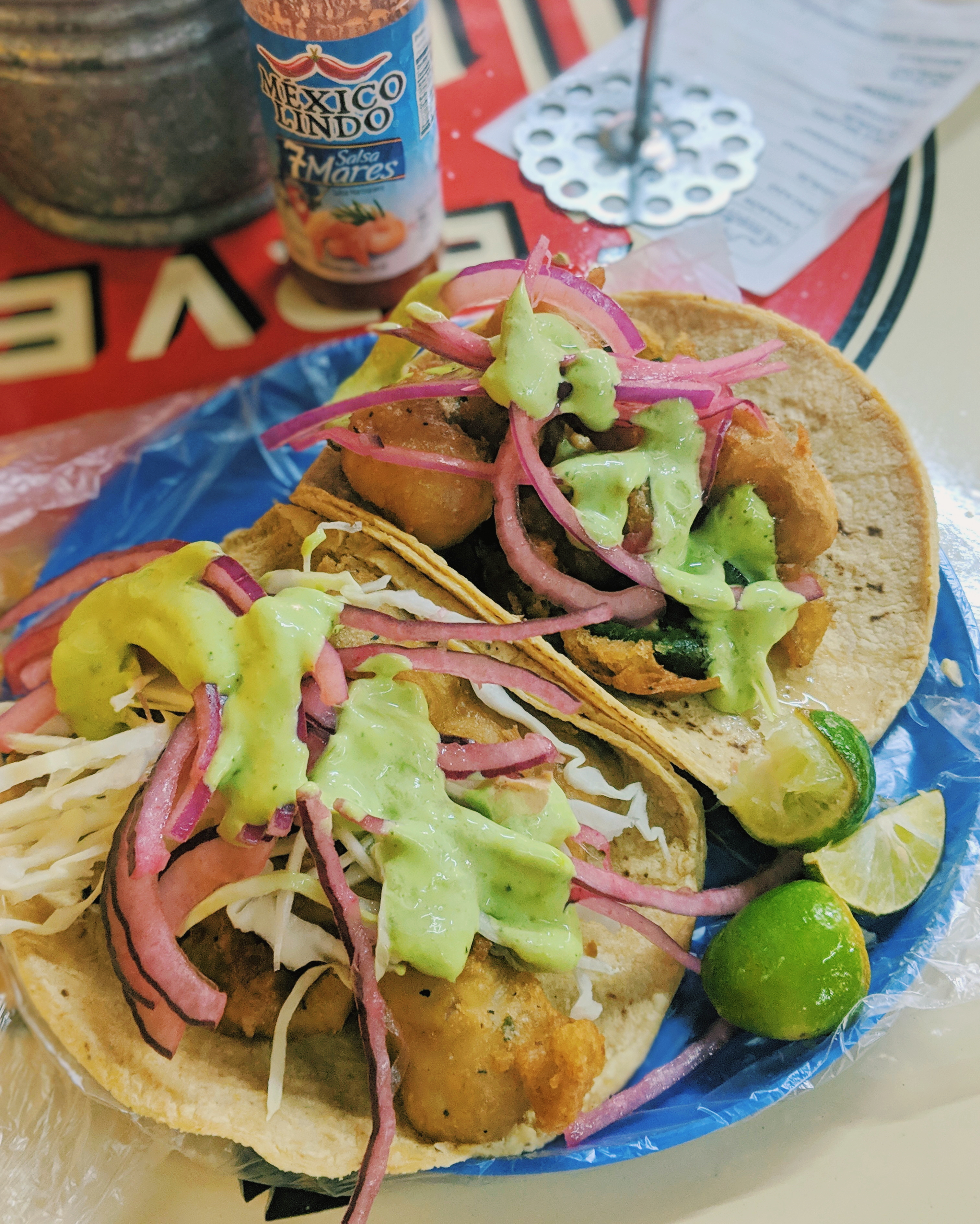
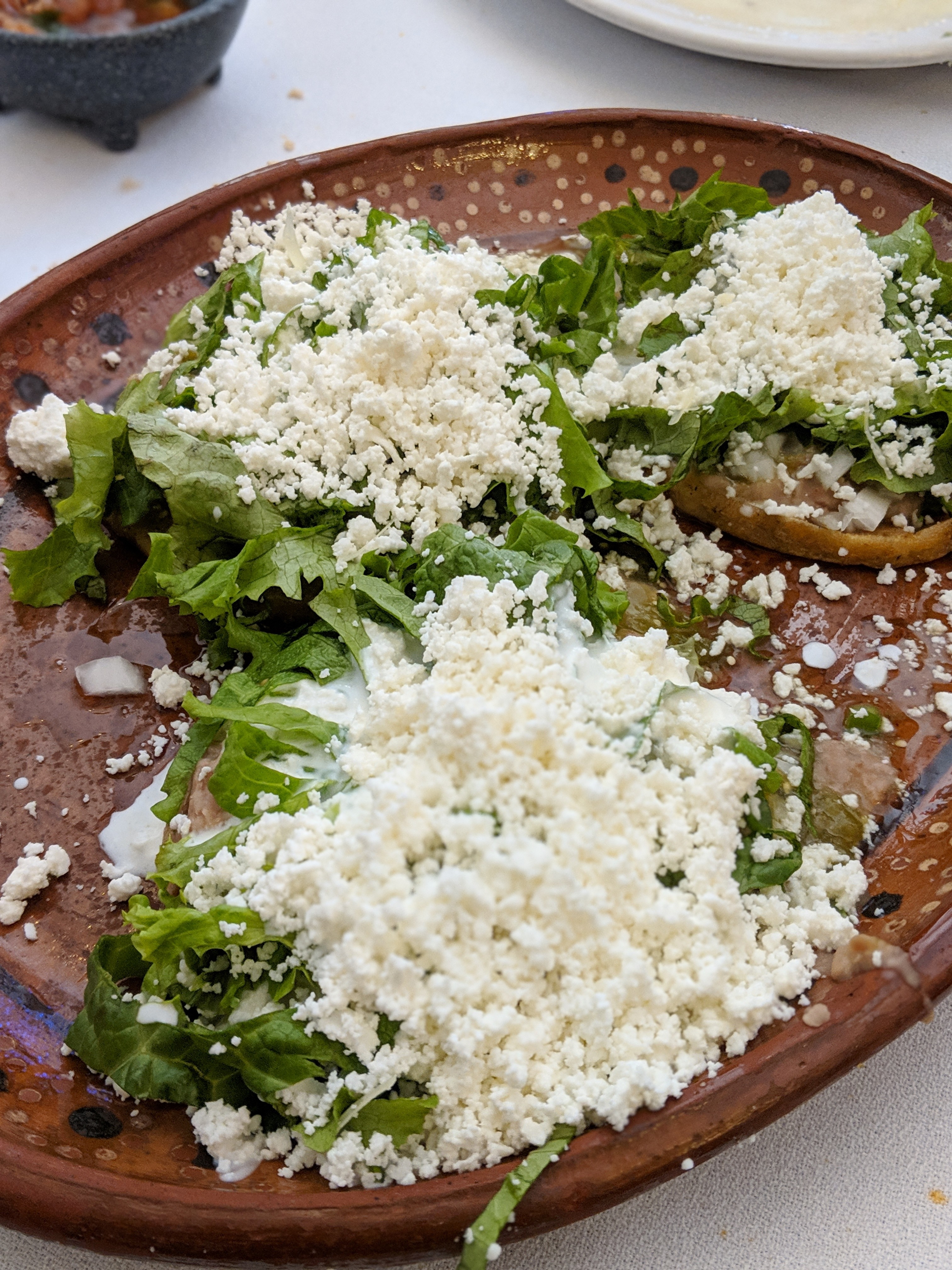
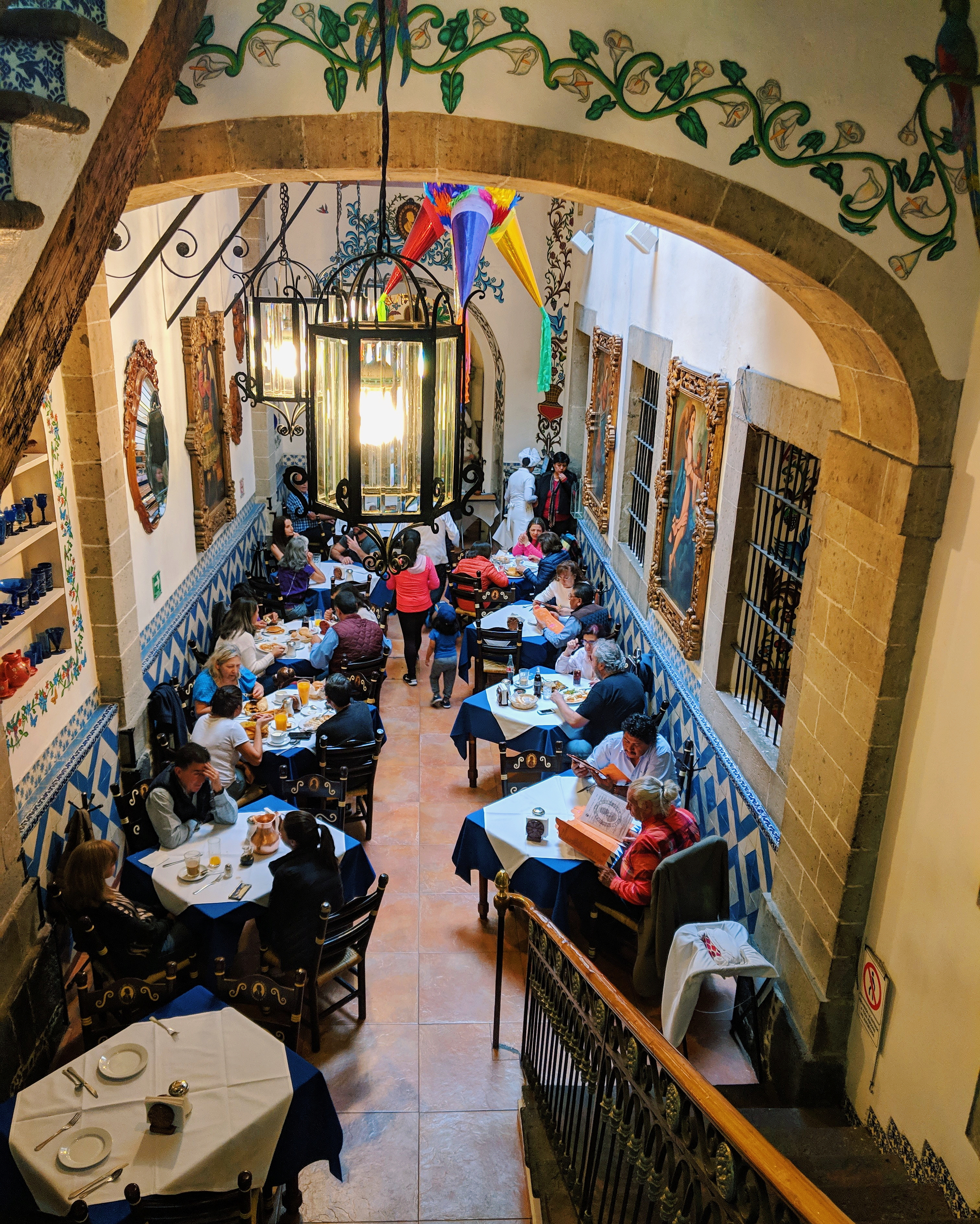
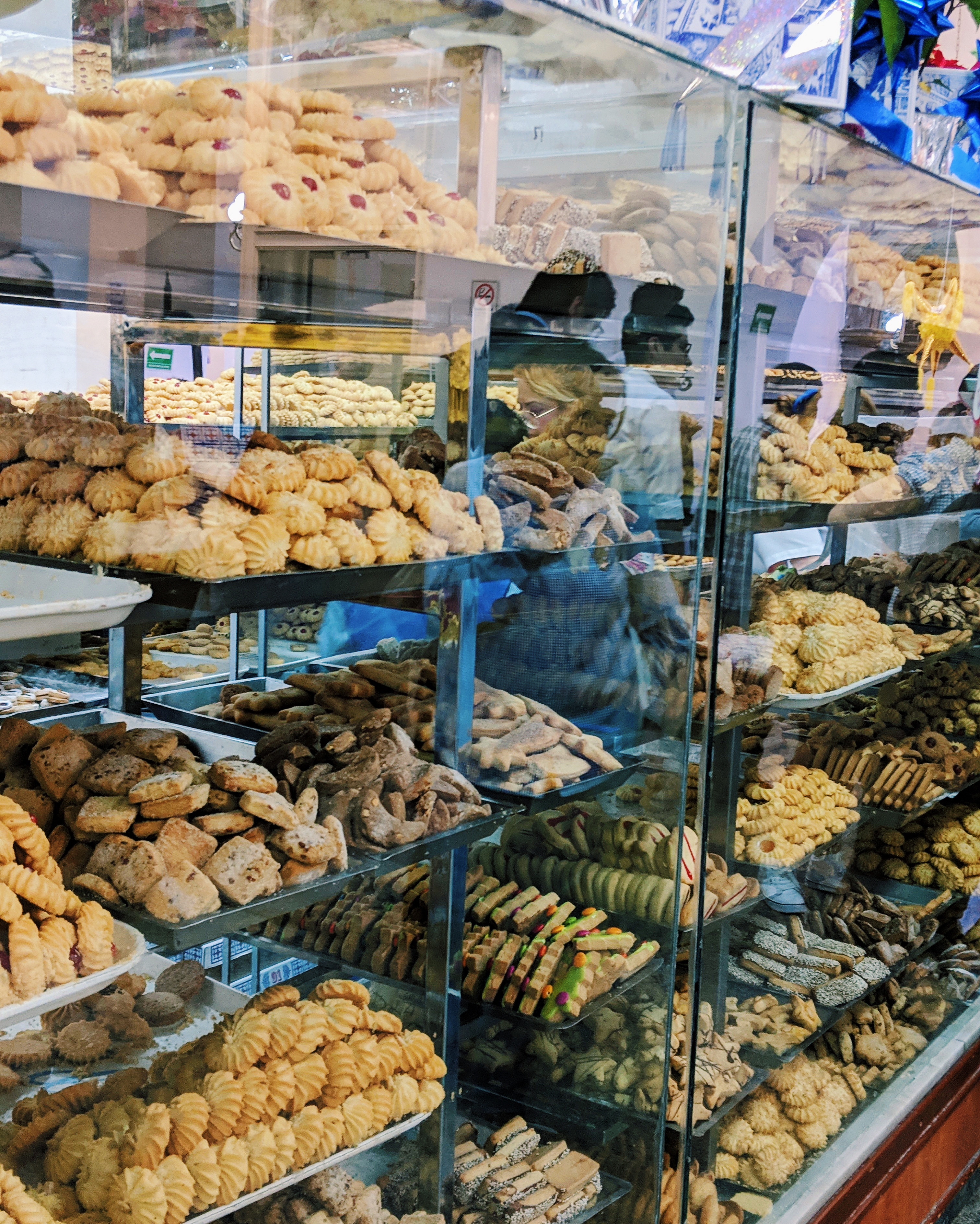
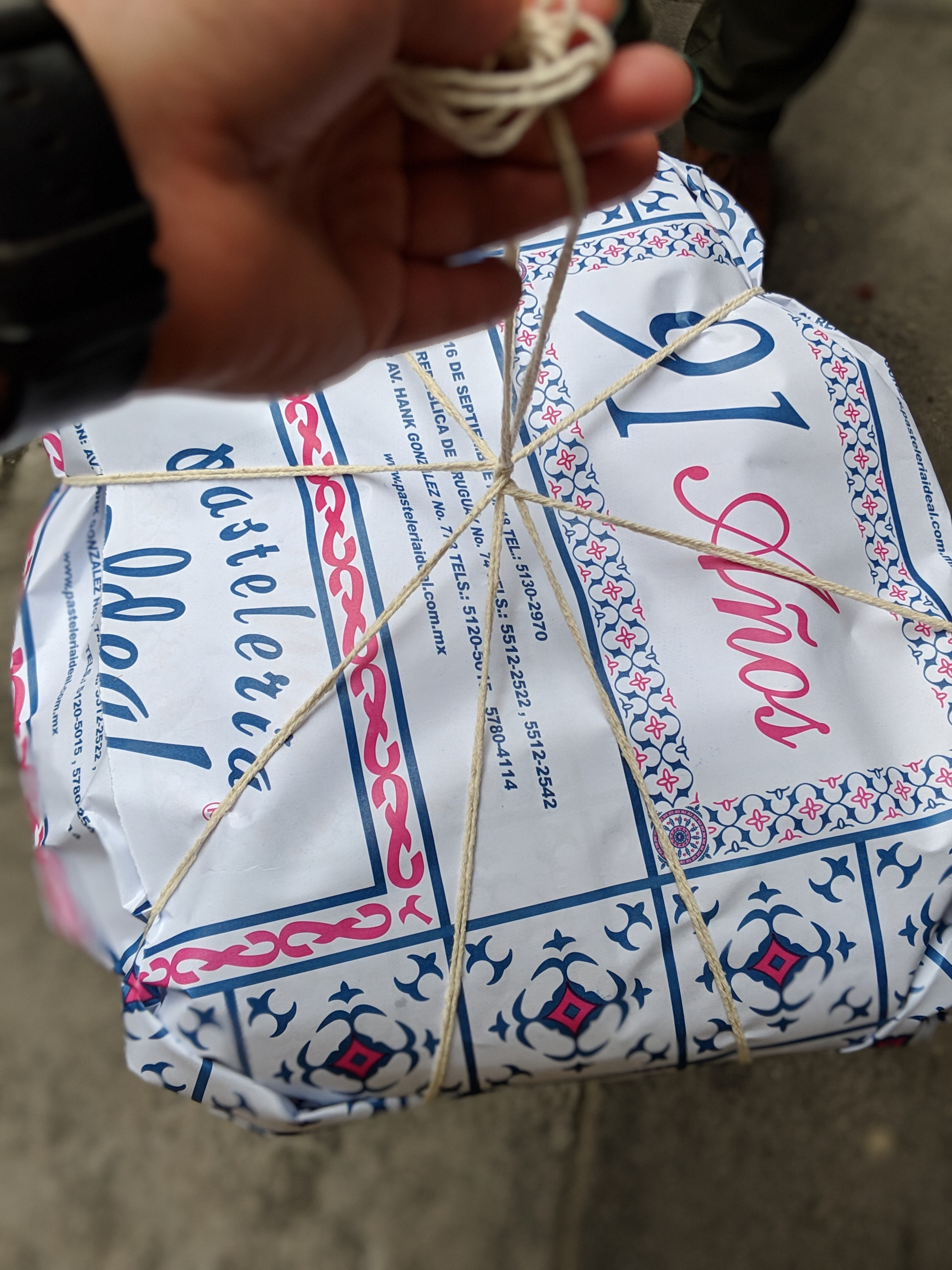
Food hot spots in Centro Históric, Mexico City.
Photo Credit: SidestreetFood Hot Spots:
Cafe de Tacuba is a dining institution that has been around since 1912. You can find it nestled in a brick building on Calle Tacuba. The restaurant contains traditional Mexican art, ceramics, and decor peppered with religious art throughout. The stunning two-floor restaurant boasts a beautiful wooden staircase that gives you a bird’s eye view of the restaurant. The food is traditional Mexican, so dig in for significant portions and multiple courses.
El Pescadito is inconspicuous taco shop in the Centro. They specialize in seafood tacos, along with a delicious stuffed poblano pepper taco. Everything is deep-fried, so I recommend ordering one taco to start and don’t forget a cold beer. Place your order first and then pay when you are finished. The coleslaw is a delightful garnish, so don’t skimp on this. I recommend stopping here after the Museo de Arte Popular.
Pasteleria Ideal I stumbled upon this spot while strolling through Centro on new year’s eve day. The assortment of cakes, cookies, pastries, and bread lured me in. When you go inside, pick up a silver tray and tongs, select your items (don’t hold back), then take them to the packaging ladies they will wrap up your goodies and give you a ticket to pay for your order, get into another line to pay for your order (bring cash), and then you can claim your order. Watch the women packing the items; it’s a bit of a show.
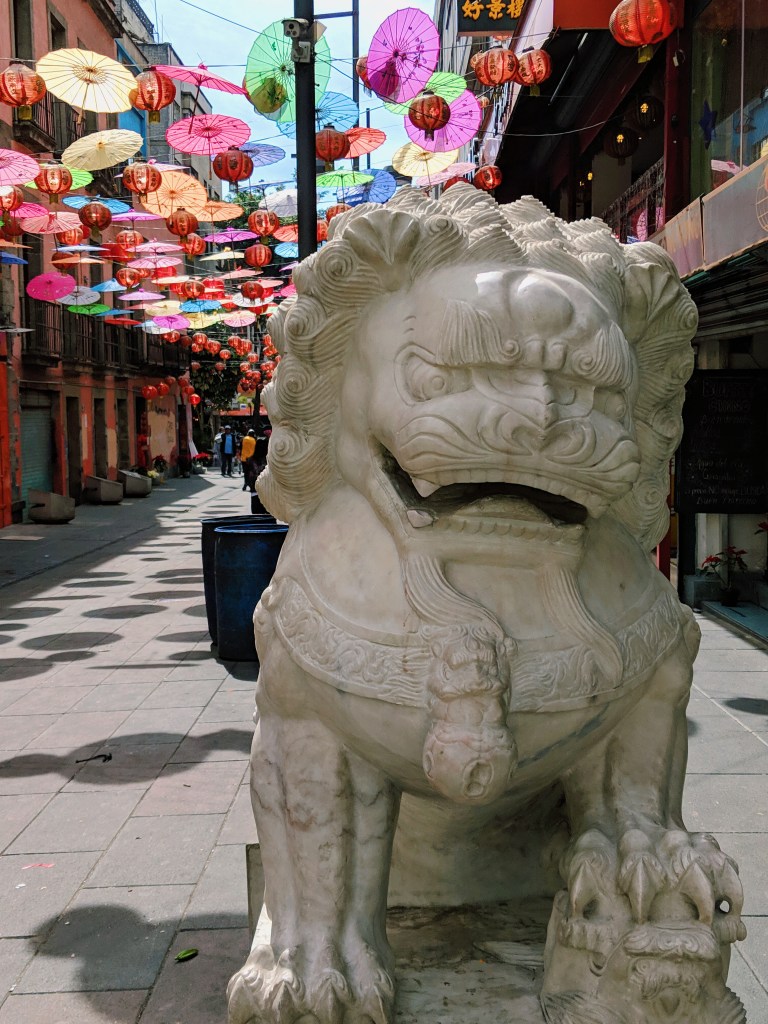
Barrio de China
Things to do:
Barrio de China (Chinatown) is a delightful blip in the downtown core. When you pass the large gates you will see the side streets filled with restaurants and shops, look up, and you’ll see umbrellas strung between the buildings. The alleys are cozy, meshing Chinese and Mexican culture in the food, shops, and the blended occupants who own these places.
I would recommend wandering the neighbourhood with no intention. It is a great place to stumble upon things that you may not find otherwise: street vendors, cantinas, and mini markets you’ll be busy all day. There is also a more pronounced shopping district with major international brands, along with Mexican brands and department stores. Centro Histórico is a neighbourhood that I highly recommend following your senses and wandering.
For museums in the neighbourhood see this blog post.
-
Neighbourhood: Coyocán, Mexico City

Coyoacán takes you back to another time when the skyline was low, the houses big, and the streets intimate and lively. It has a colonial aesthetic that is charming and inviting. The roads are small and packed with shops, restaurants, and bars. The parks are grand and welcoming, sharing the space with vendors, families, friends, strangers, and lovers. It is well-known because of Frida Kahlo’s Blue House, but there is so much more to this timeless neighbourhood. Coyoacán is one neighbourhood that I need to go back to and spend more time exploring. If you would like more recommendations head over to Local.MX.
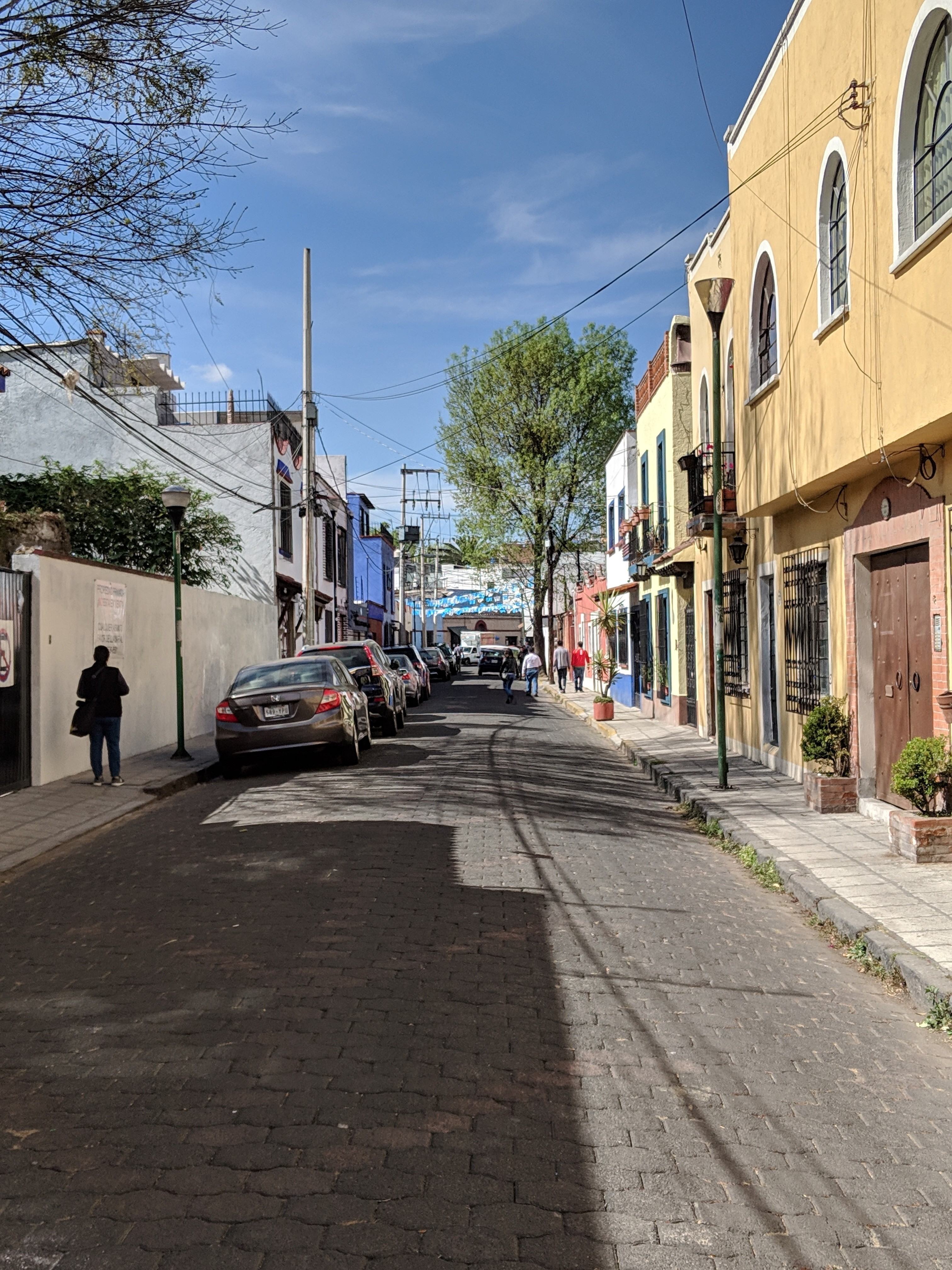
Walking the sidestreets 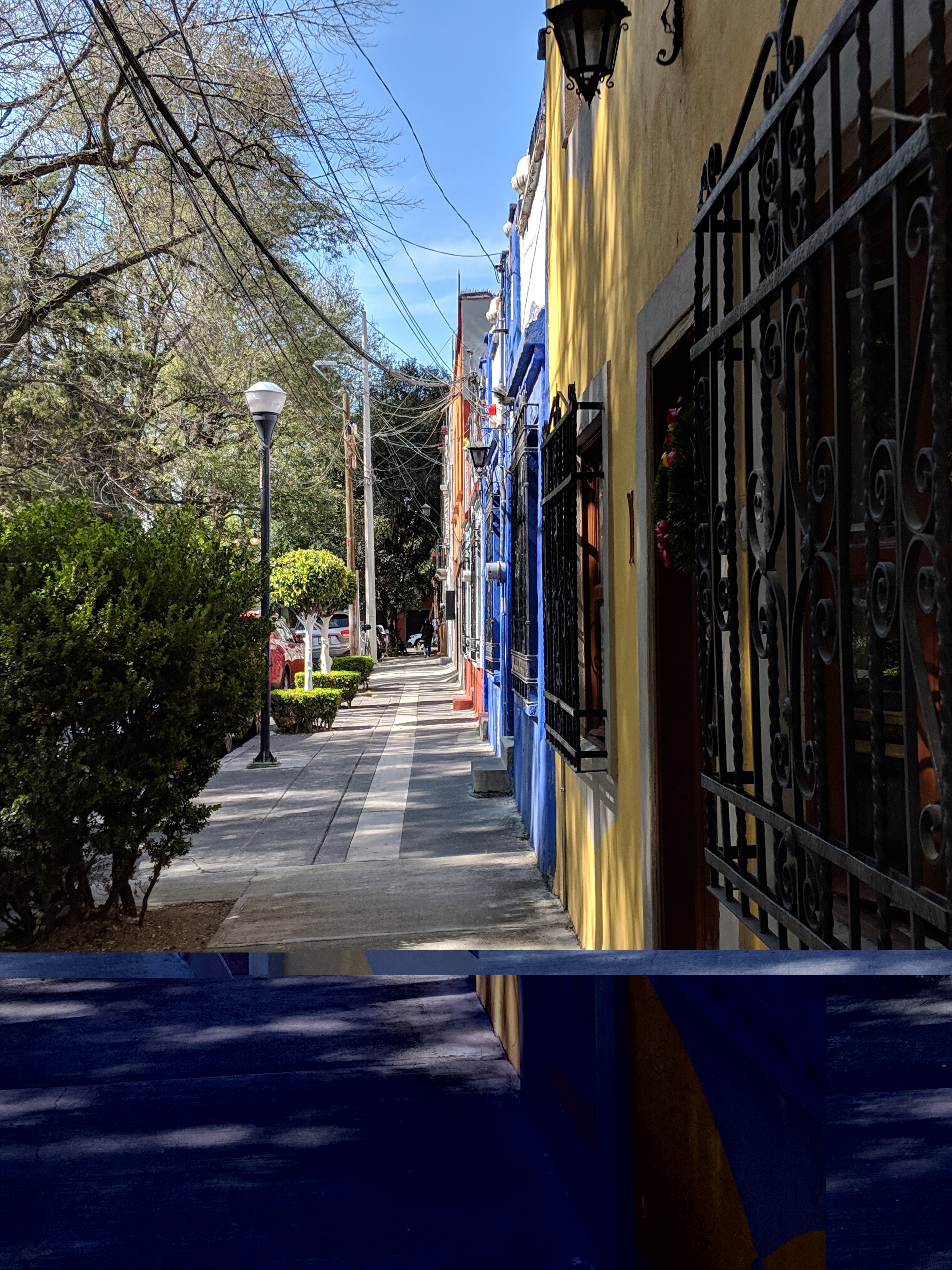
Colourful homes 
Fuente de los coyotes, Parque Centenaria 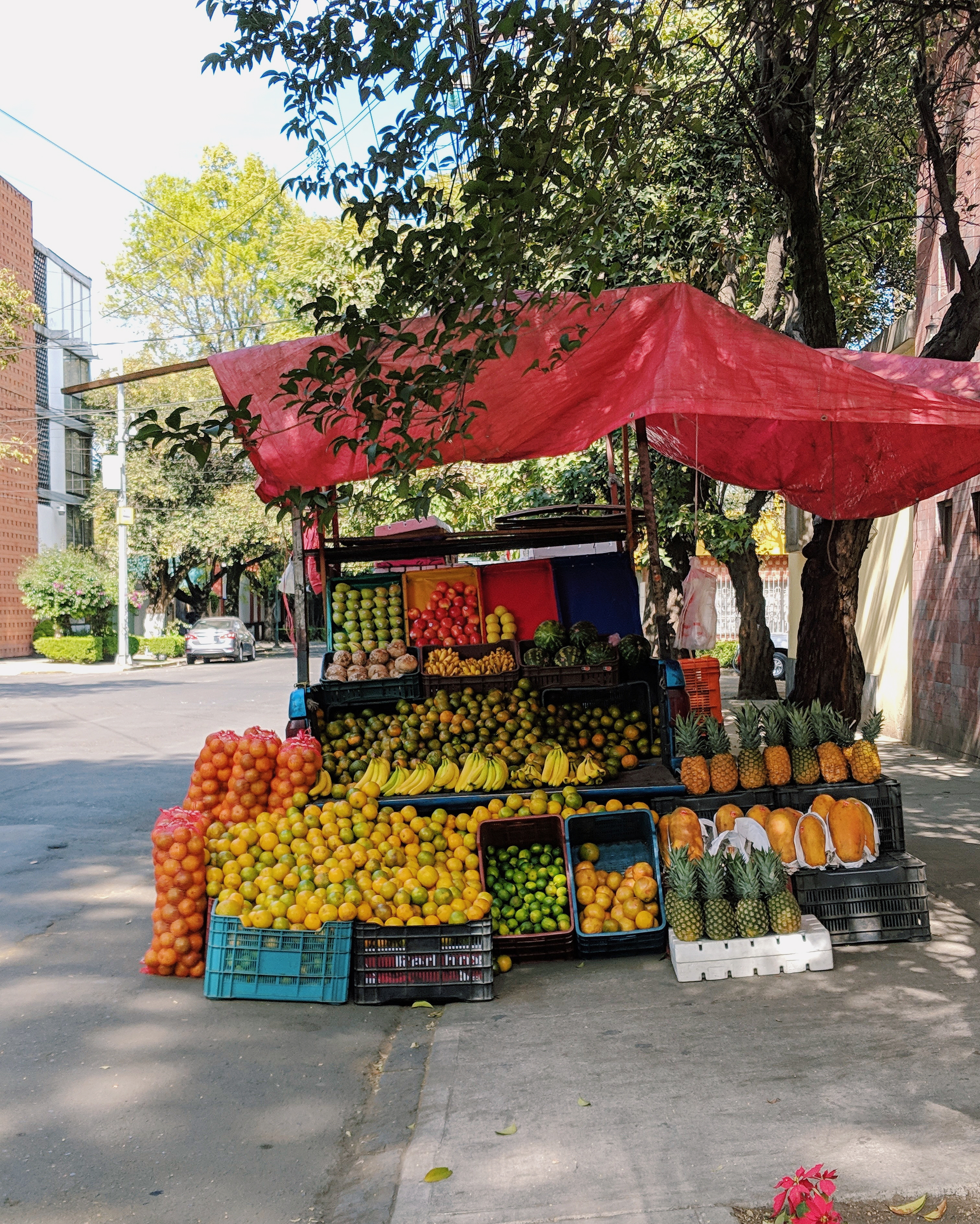
Fruit stand in a residential area
Food Hot Spots:
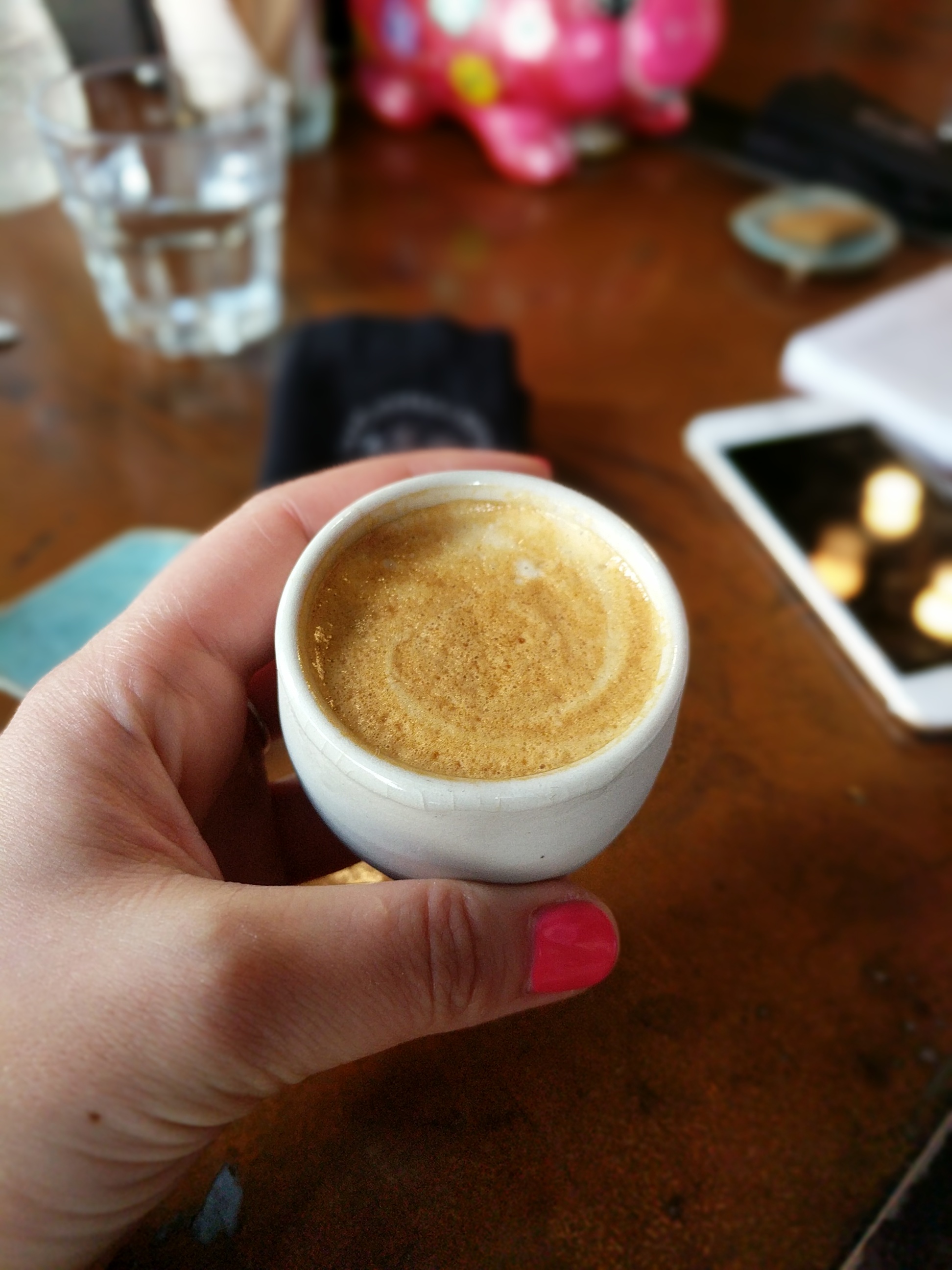
Cortado at Cafe Avellaneda 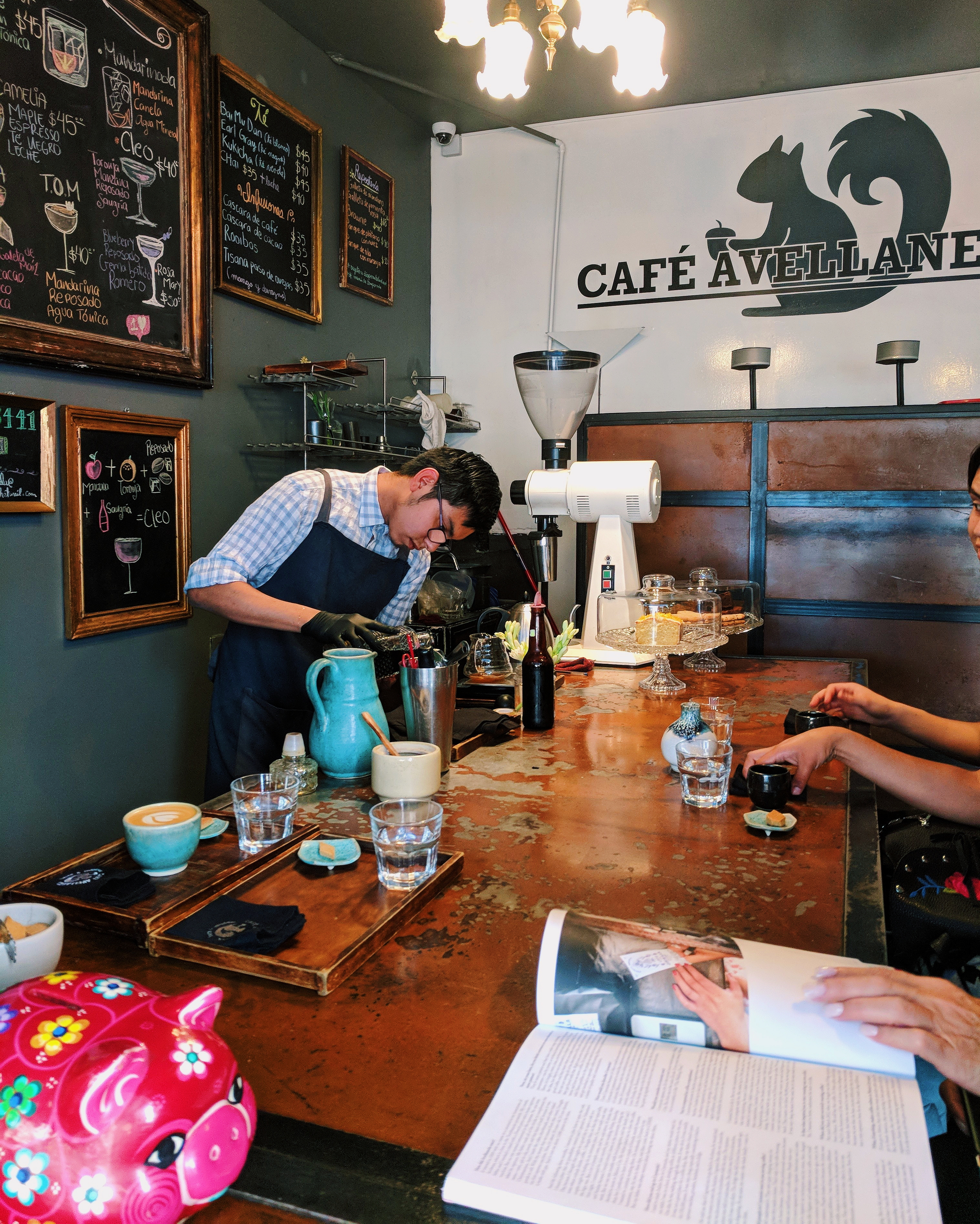
Barista at work in Cafe Avellaneda 
Coffee for sale at Cafe Negro 
Pasteries at Cafe Negro 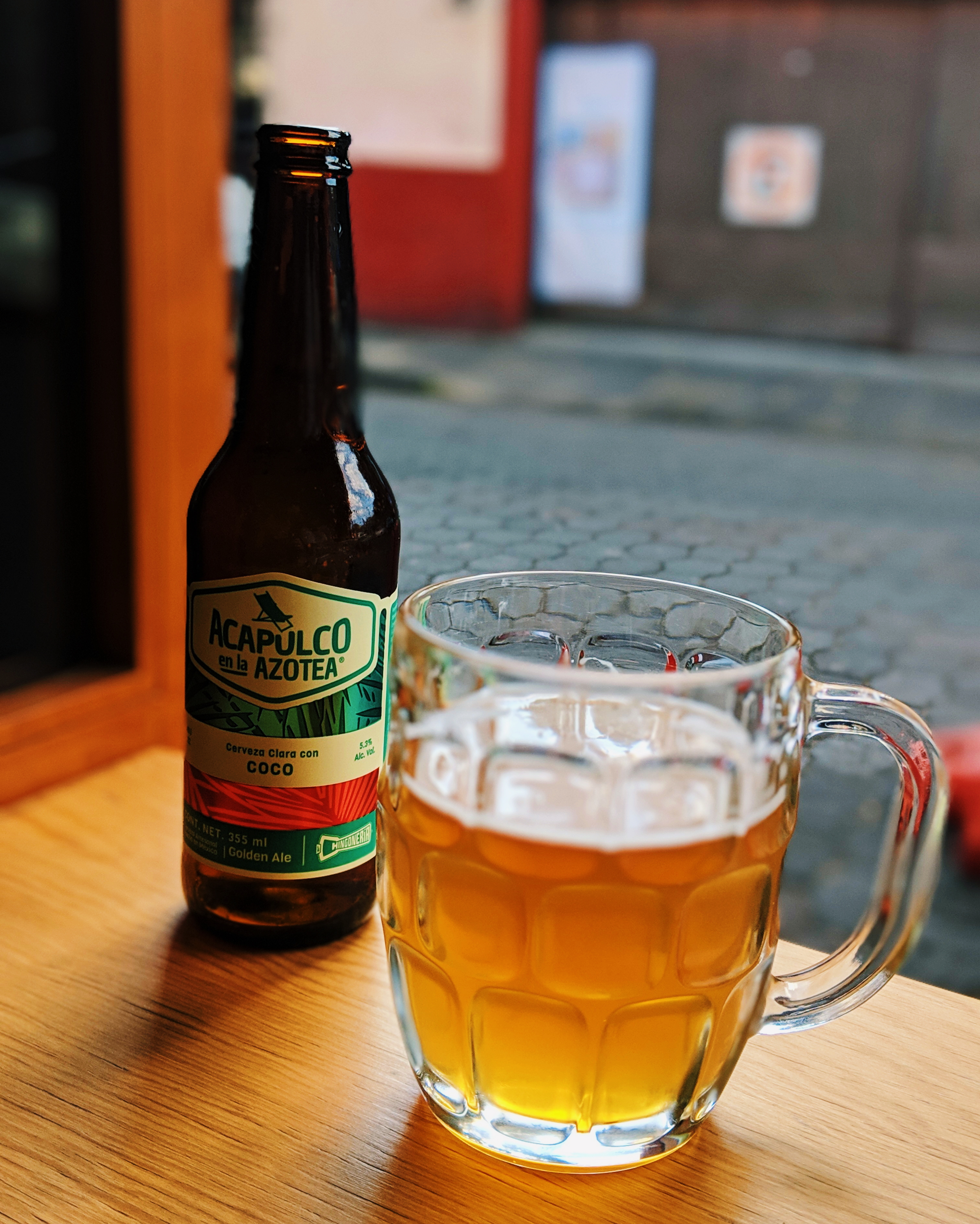
Craft beer at Jupiter Cerveceria
Coffee
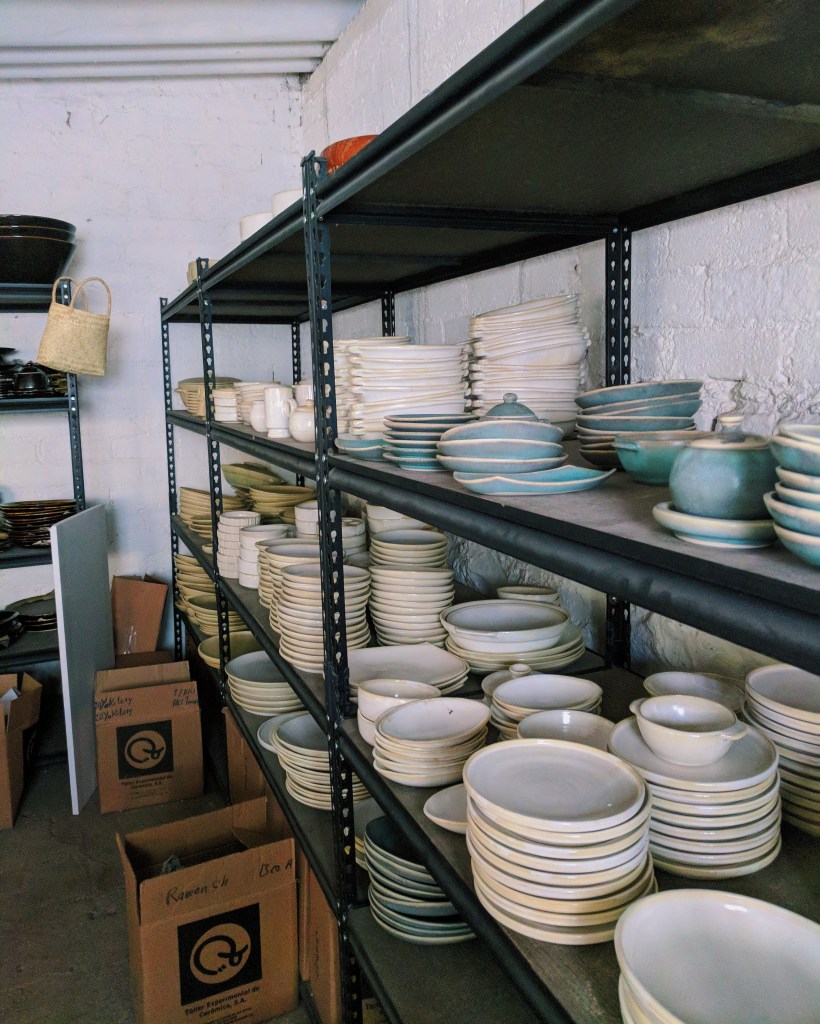
Cafe Avellaneda – this coffee shop is a delight, and you must stop by. It’s a tiny shop, so be prepared to get cozy. The cafe has the full array of third wave coffee offerings, but I think their best is the pour over or a cortado. The baristas are friendly and knowledgeable and will walk you through the coffee process if you desire. Coffee is indeed at the heart of this business, and it shows. Also, they source their ceramics from the nearby ceramics shop Taller Experimental. It’s worth a visit.
Cafe Negro is a delightful and bustling cafe just around the corner from Parque Centenario. They offer baked goods, breakfast, lunch, and a full range of coffee options, I love the cold brew and fresh croissant. You can also take whole beans to go, which I recommend.
Food & Drink:
Mercado de Coyoacán – I would say this is one of the major cornerstones of the neighbourhood. Go for the fresh produce, homeware, crafts, and don’t forget to grab a snack at the numerous food stalls before you leave. Bring cash.
Jupiter Ceveceria – We stopped at this spot because of the beer list: an incredible selection of craft beer from all over Mexico. The food is also incredible. Don’t be shy if it seems quiet in the place; things don’t get bumping until much later in the evening. You can grab a beer and people watch from the window seats, or get cozy on the cushions in the lounge area. I’ve linked to a more in-depth overview by Local.MX.
Processed with VSCO with c1 preset 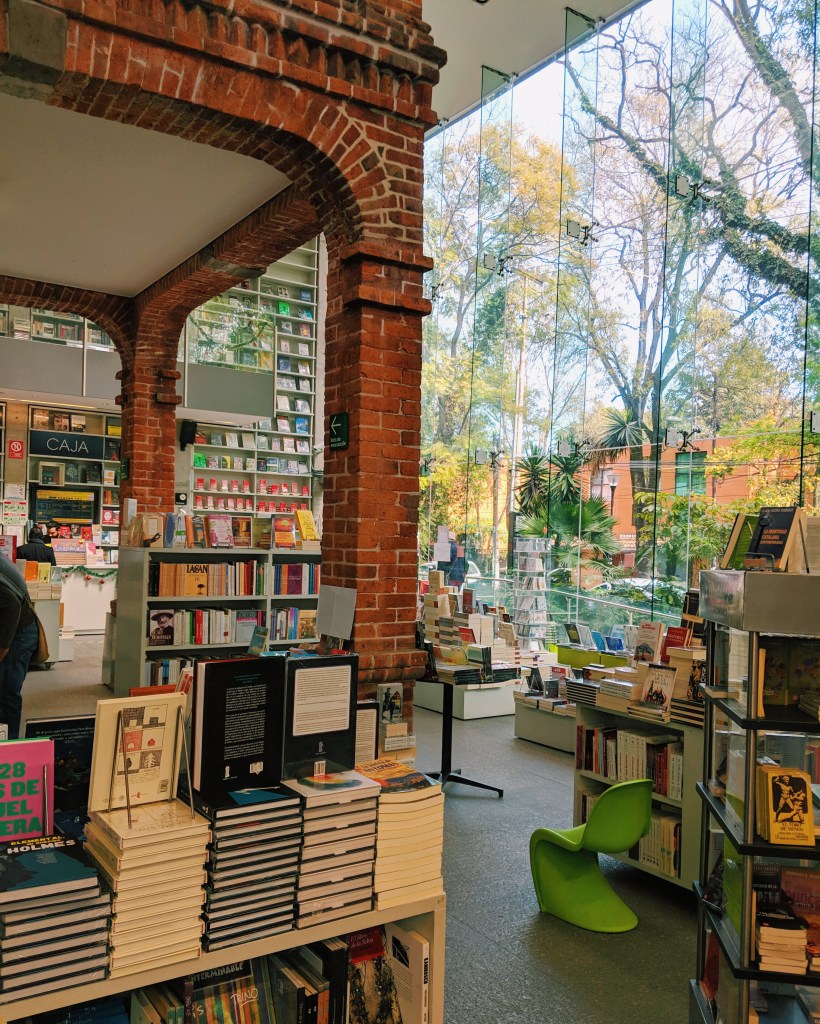
Elena Garro Bookshop
Shops:
Elena Garro Bookshop is a cultural center and a bookstore. It has an excellent selection of English and Spanish titles with a focus on architecture, design, art history, literature, cooking, film studies, and art books. If you are an avid reader in Spanish, I would recommend picking up books here to take home with you. To round out your visit, relax in the courtyard cafe it’s a beautiful spot to pass the time and take stock of your purchases. This link will give you more detail on the architecture of the building.
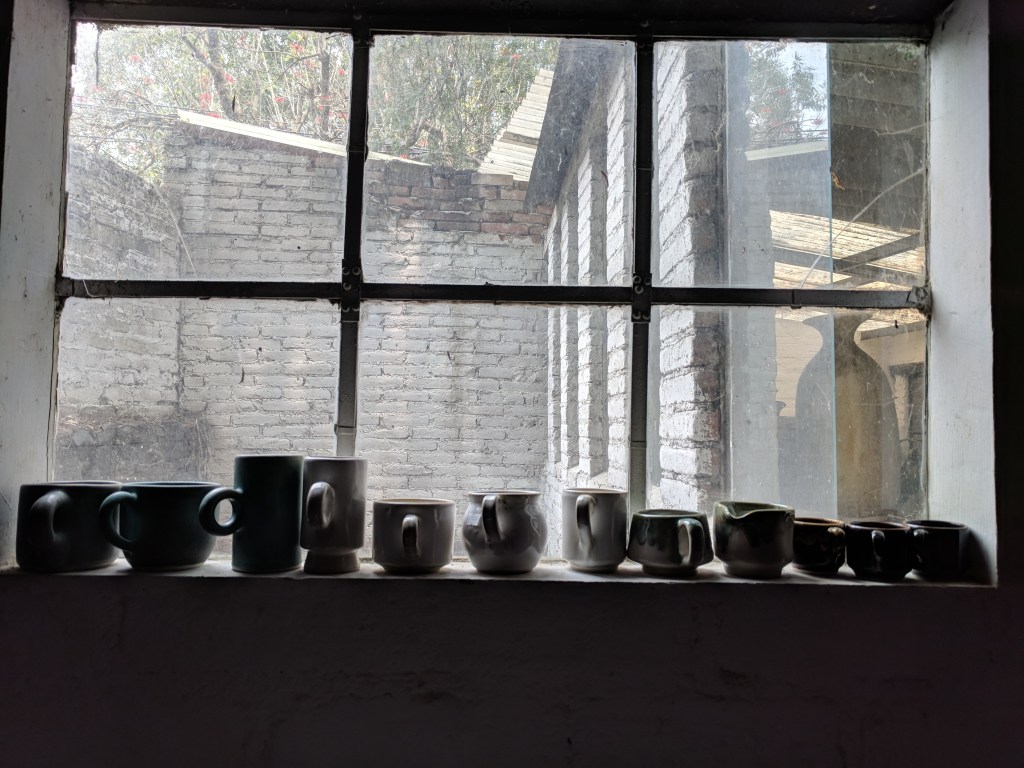
Taller Experimental de Ceramica is an incredible ceramic studio in the center of Coyocán. It is a hidden gem, tucked away behind a brick wall creating a jungle pottery oasis. They specialize in Mexican ceramics but do offer some Japanese specialties. If you are looking for beautiful, minimalist ceramics, you have to come here. Call ahead to make sure they are open. Bring cash in pesos!
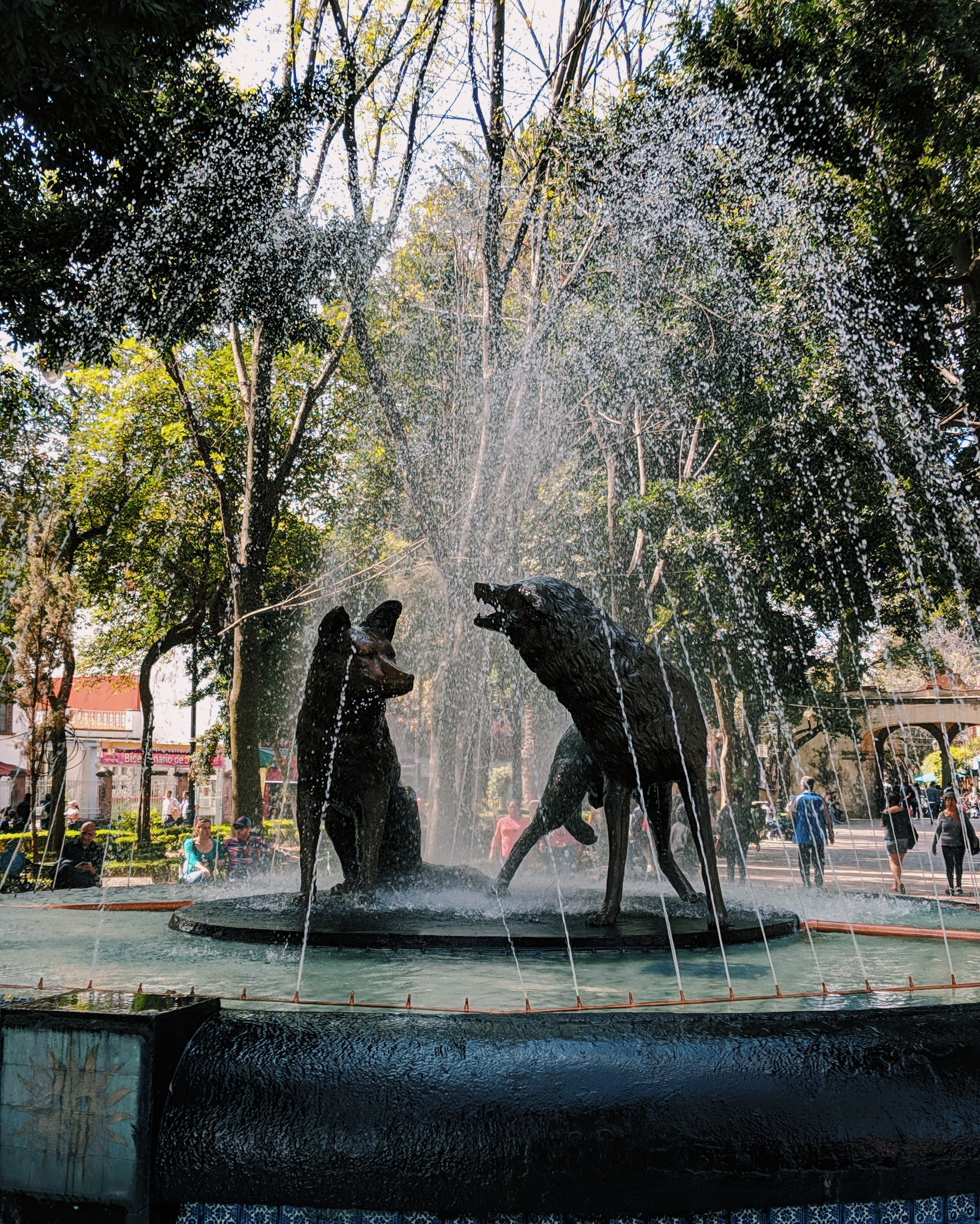
Parque Centenario, Fuente de lose coyotes Things to do:
Parque Centenario is a large park/plaza with the Fuente de los coyotes (fountain of coyotes) in the center. Not only is this an iconic fountain, but it’s also a great spot to relax and enjoy an ice cream or coffee while you people watch. There are also vendors walking through the park selling many different things and sometimes impromptu mariachi bands.
Frida Kahlo’s House, see the museum blog post for more details.
-
Mexico City – Casa Luis Barragán

Casa Luis Barragán is a living museum. It holds the architect’s artifacts intact throughout the house, creating a sense of inhabitation long after his passing. The main reason for this is Barragán’s housekeeper still lives in the caretaker suite, cooking in the kitchen and maintaining the home, which creates a unique and visceral experience, unlike other museum settings.
The house is situated in a residential area, removed from tourist zones, making the journey feel like a pilgrimage. The focus is the architecture, which is both lively and subdued; however, many other elements of the house are engaging and alluring. I recommend this ‘museum’ because of its immersive nature; it reveals a different side of Mexican culture that would be otherwise difficult to see or experience unless you had a personal connection to someone in the city.
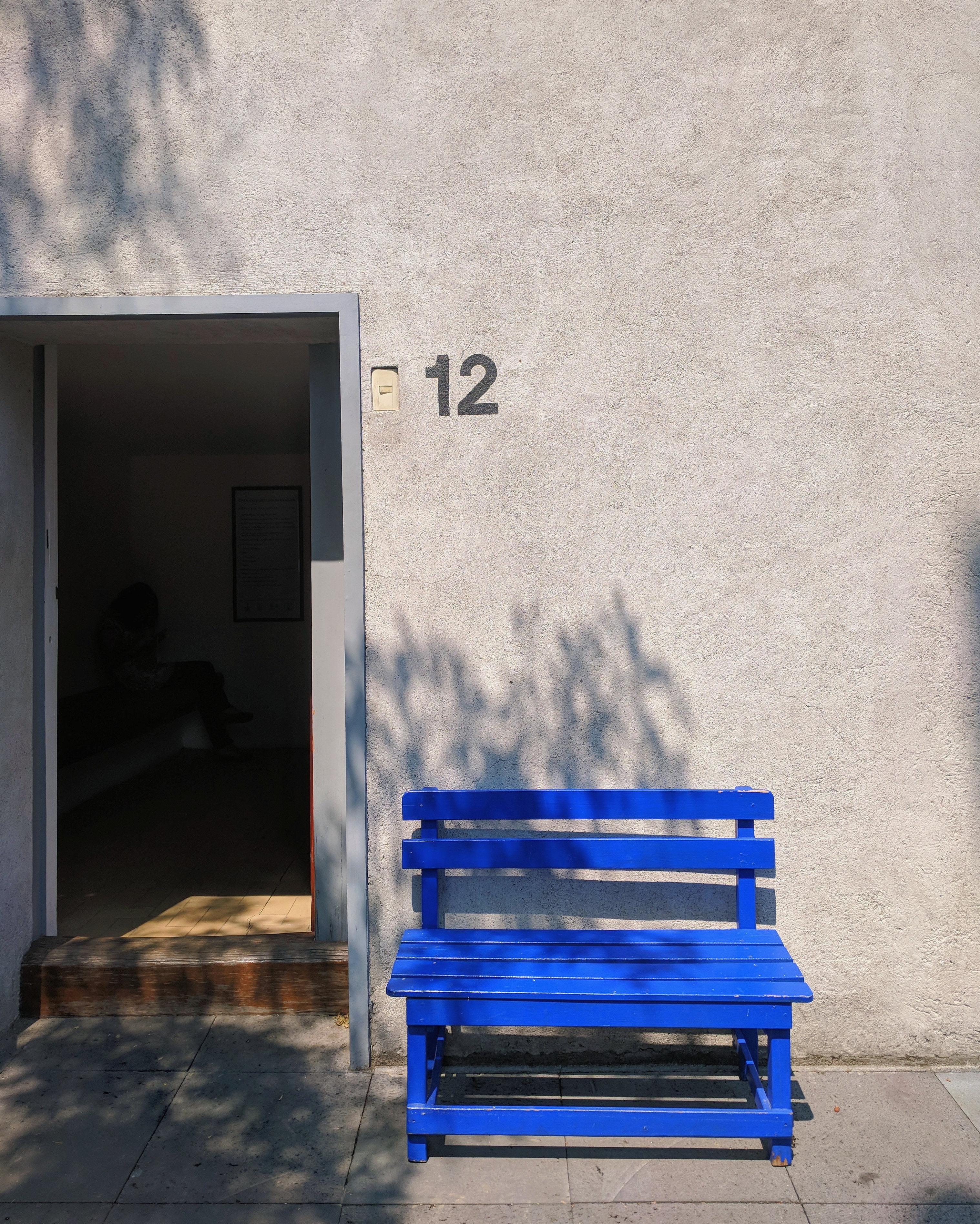
Entrance to the studio portion of the house. The tour of the house feels like a procession. Each room is intentional and expressive of Barragán’s nature. Stepping off the street through the front door, you are transported into the serene, dimly lit, quiet foyer, where calm floods over you. It is a beautiful and purposeful technique to create a separation of public and private realms, allowing you a moment to gather before you head into the central part of the house.
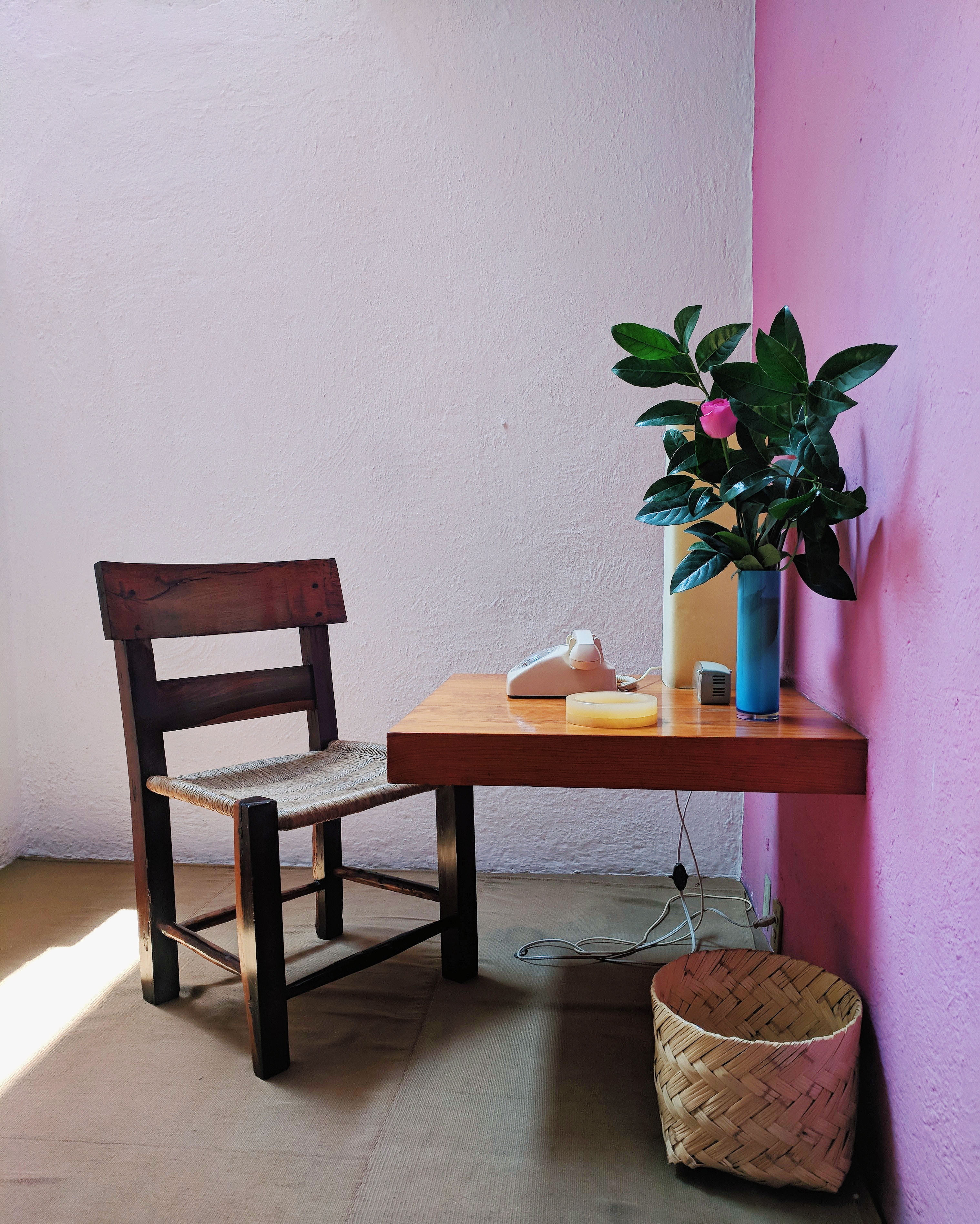
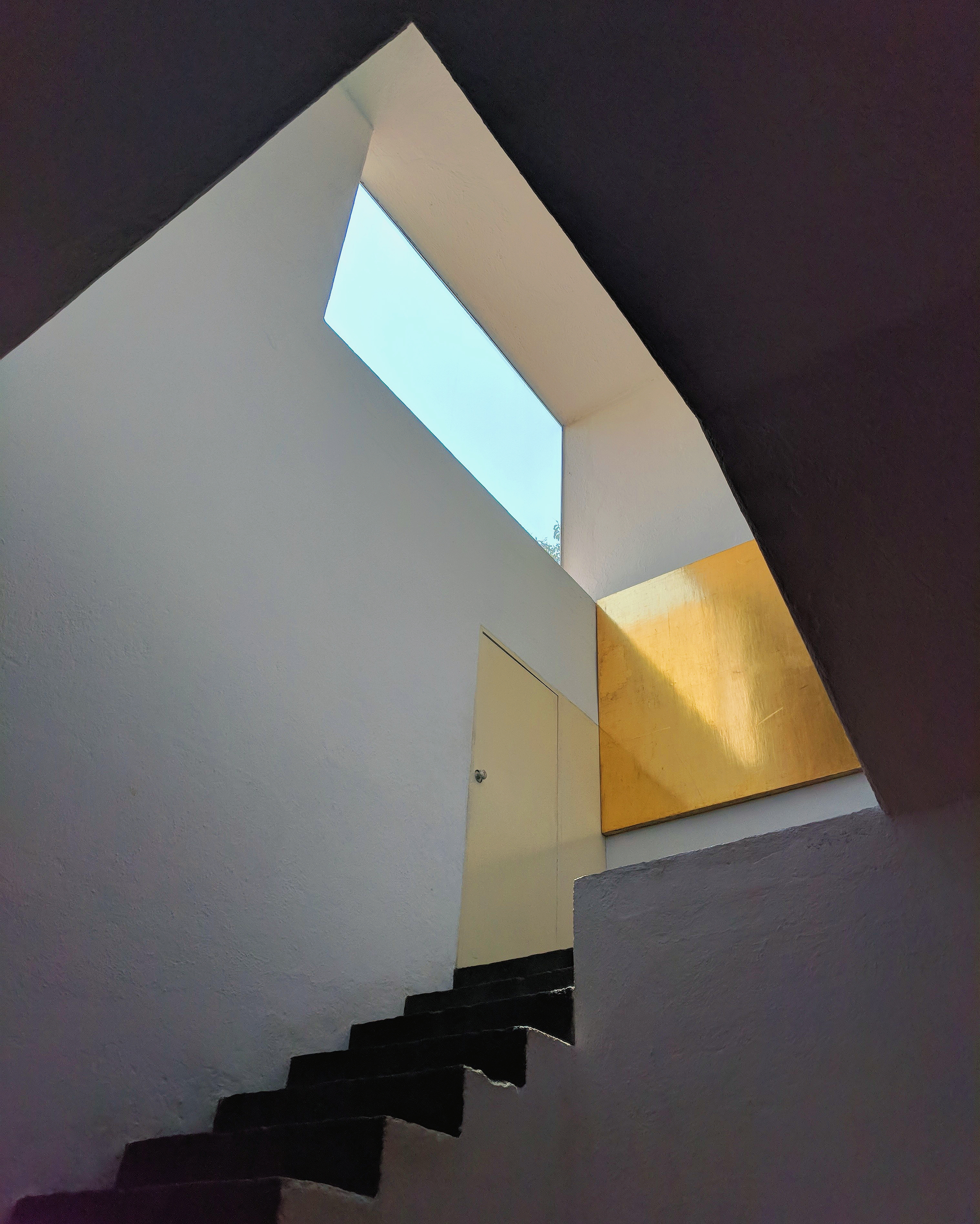
Entry room The entry room, on the contrary, is bright with natural light pouring in from the skylight, while the bright pink walls add a liveliness. This duality of calm and lively can be found throughout the house, even in the placement of objects. As you move between each space there is an entry and exit that you must pass through giving each room unique characteristics.
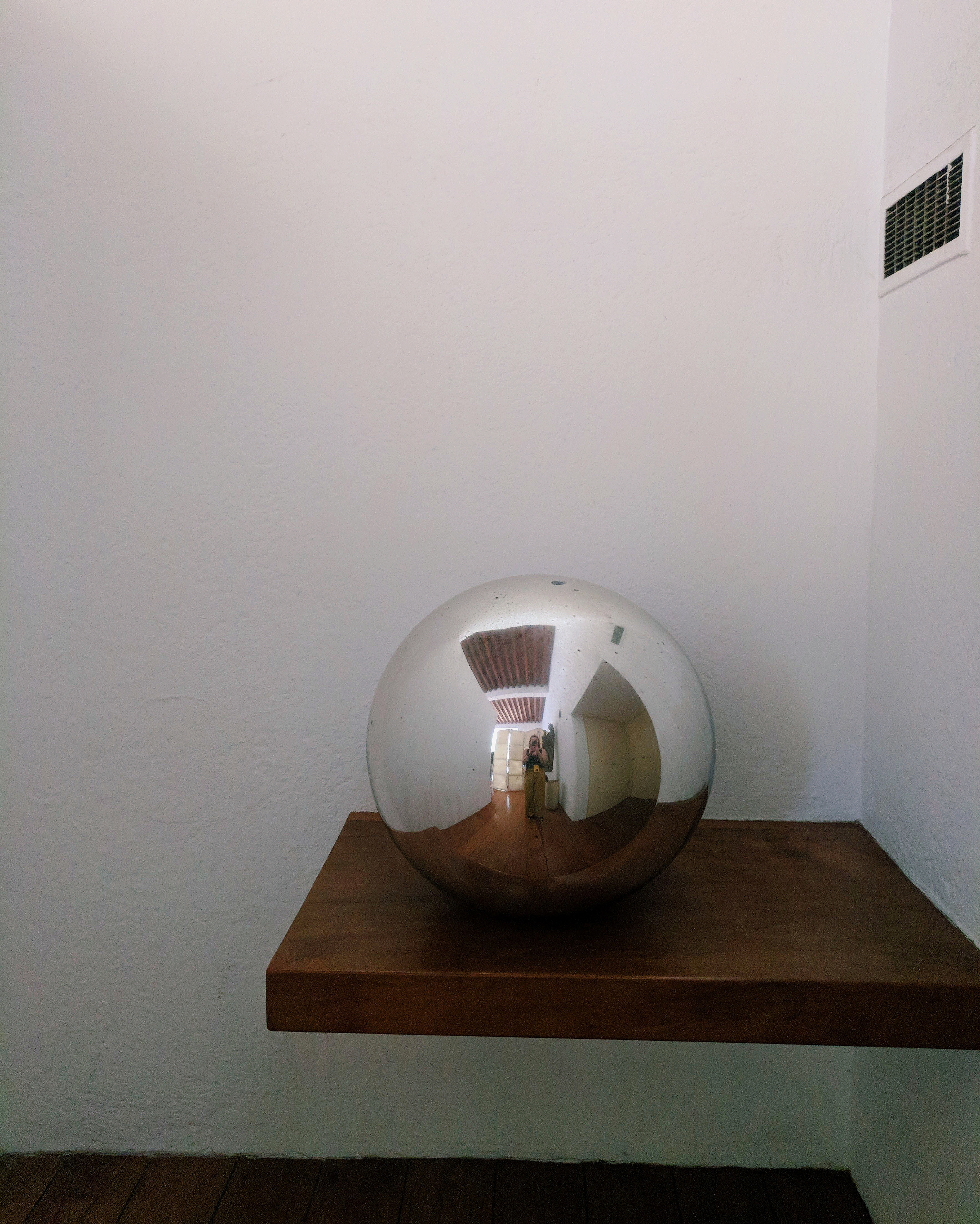
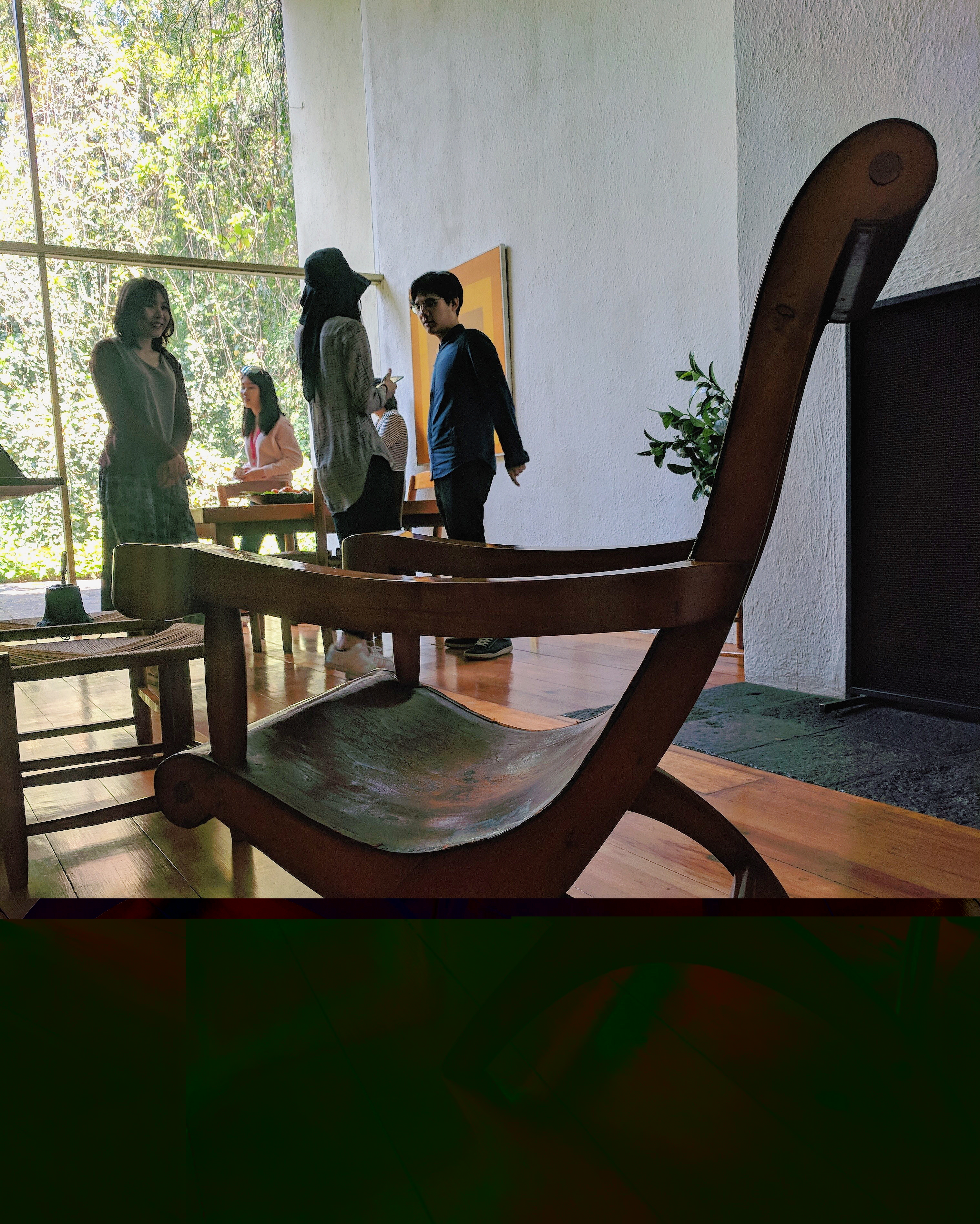
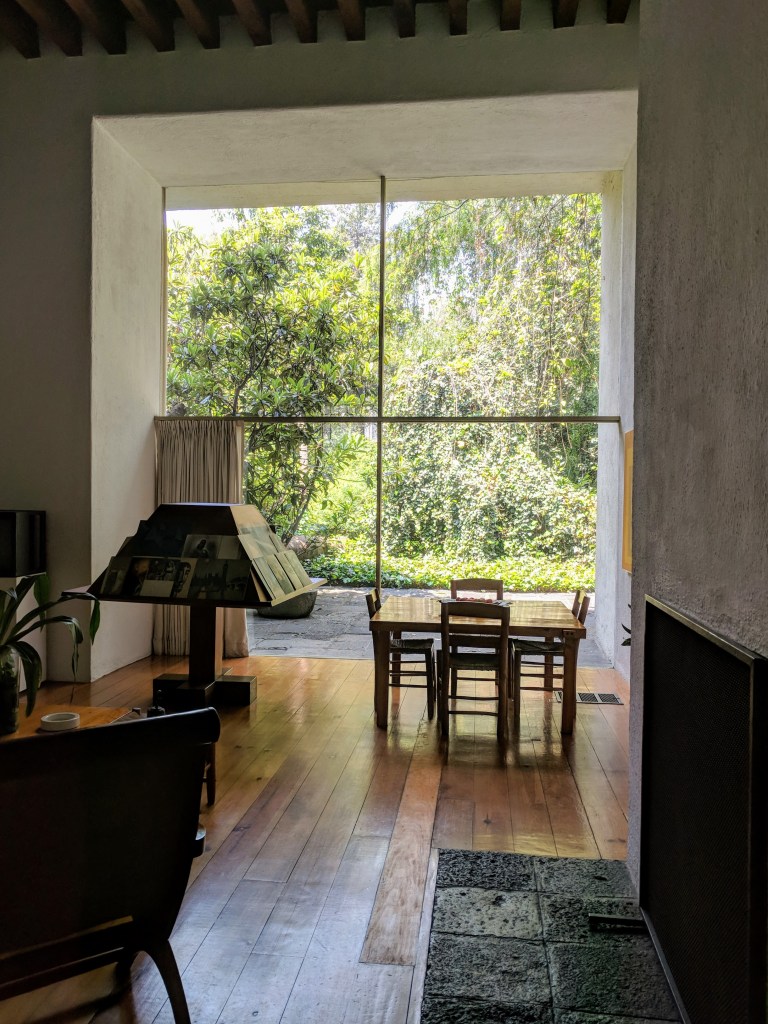
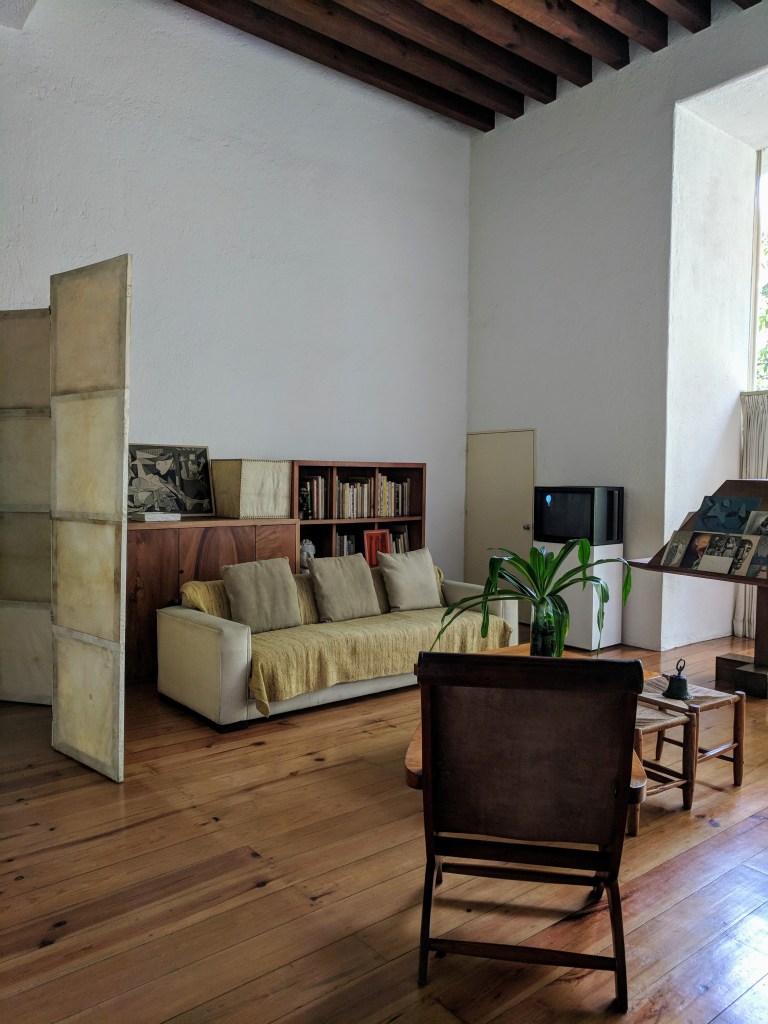
Living room A long corridor guides you into the living room, at the end of it sits a large metal sphere. The living room serves as an informal gathering space, more relaxed than the other room. Large floor to ceiling windows illuminates the area, while the view into the lush and wild garden feels like an escape from the city. Neutral tones and wood accents and another layer of warmth to the room. A fireplace sits in the centre of the room, adding to the comfortable and relaxed feeling.


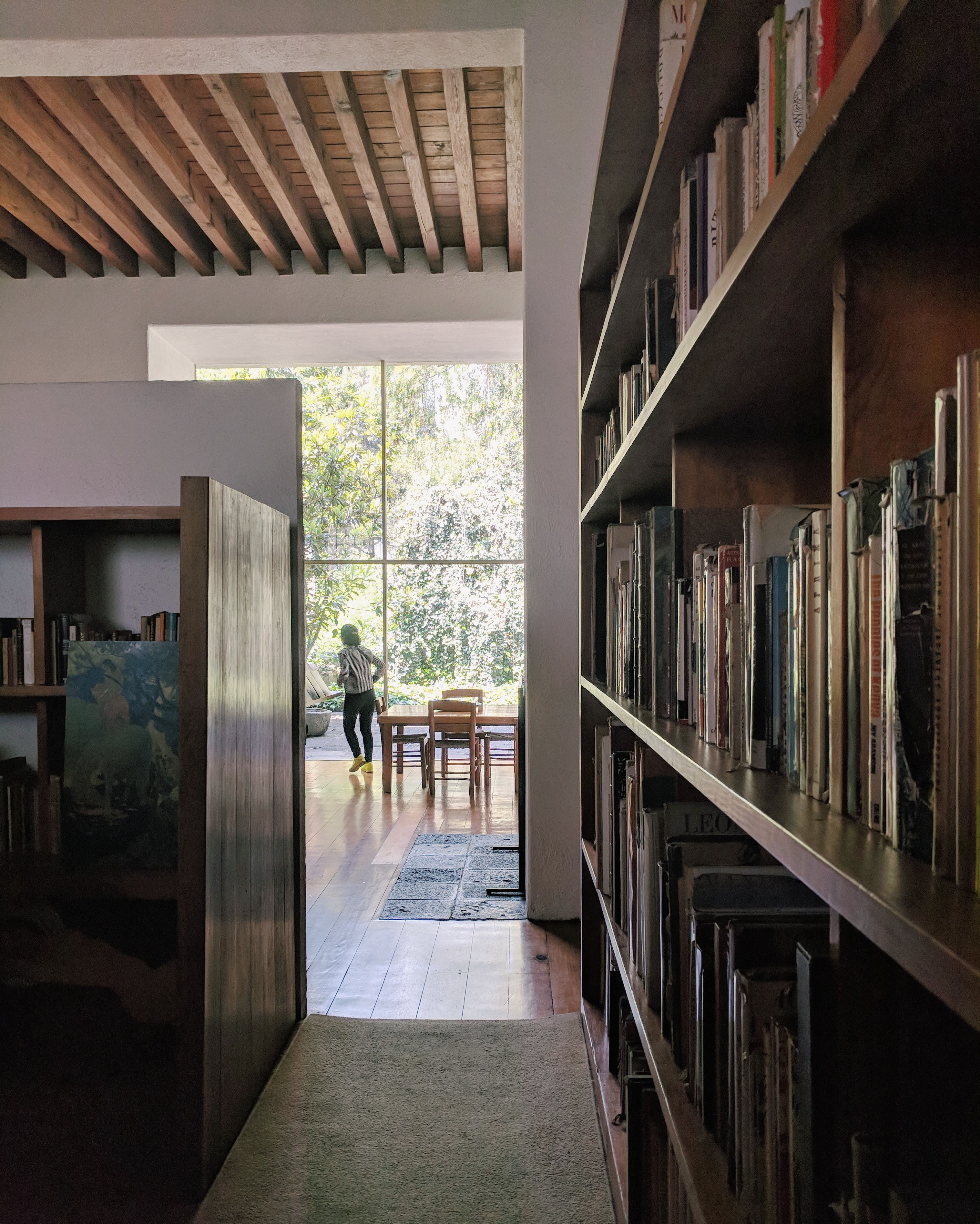
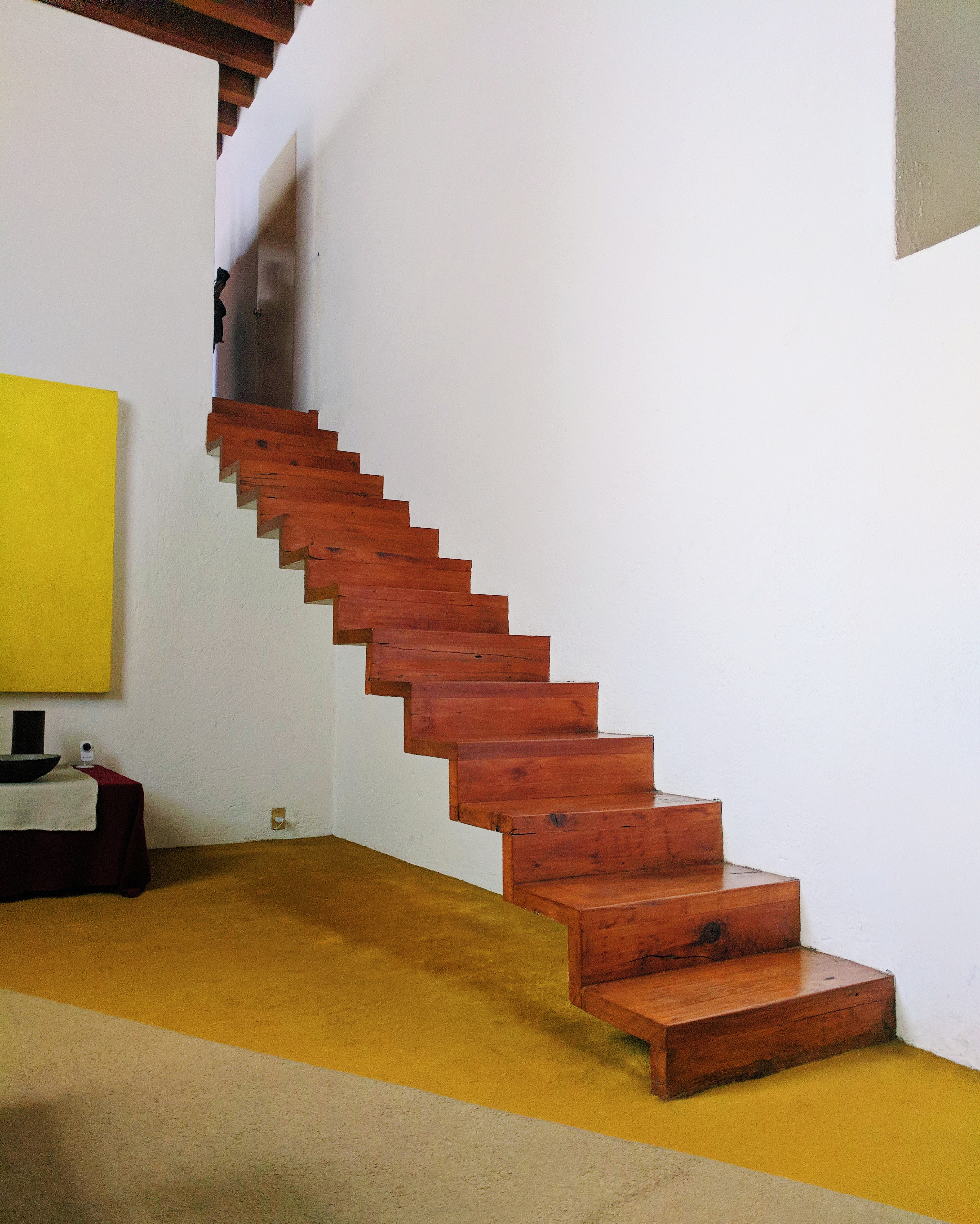

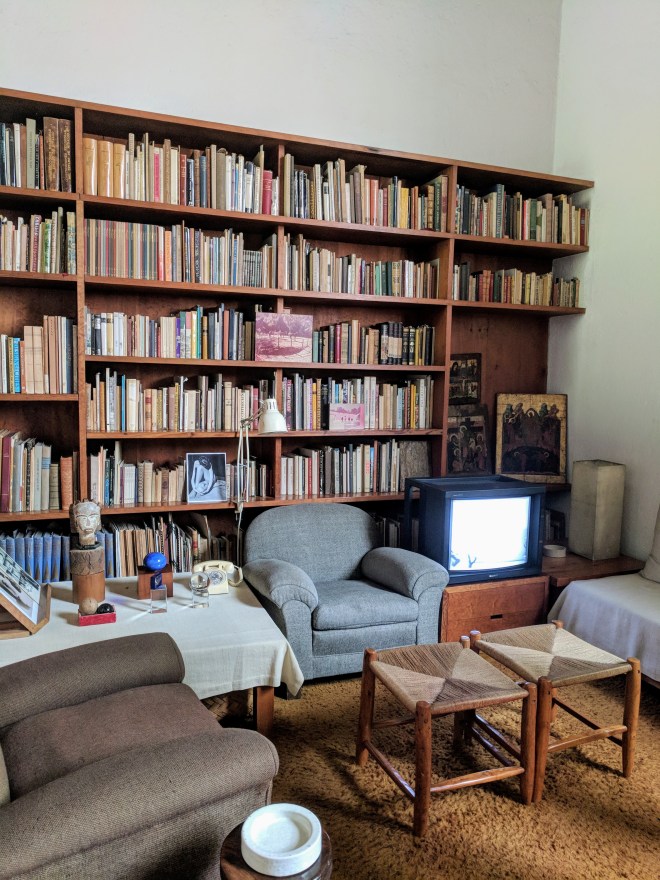
Barragán’s study and Pritzker prize. The study is seamlessly separated from the living by a tall bookcase. Every inch of the shelves contains books, ranging from art, gardening, architecture, philosophy, engineering, and much more. As you enter the study, you come face to face with Barragán’s Pritzker prize (a prestigious architecture award). The room opens up into a cozy, where you can envision yourself spending hours reading from the impressive selection of books. In this room, you will also find the iconic wooden staircase.
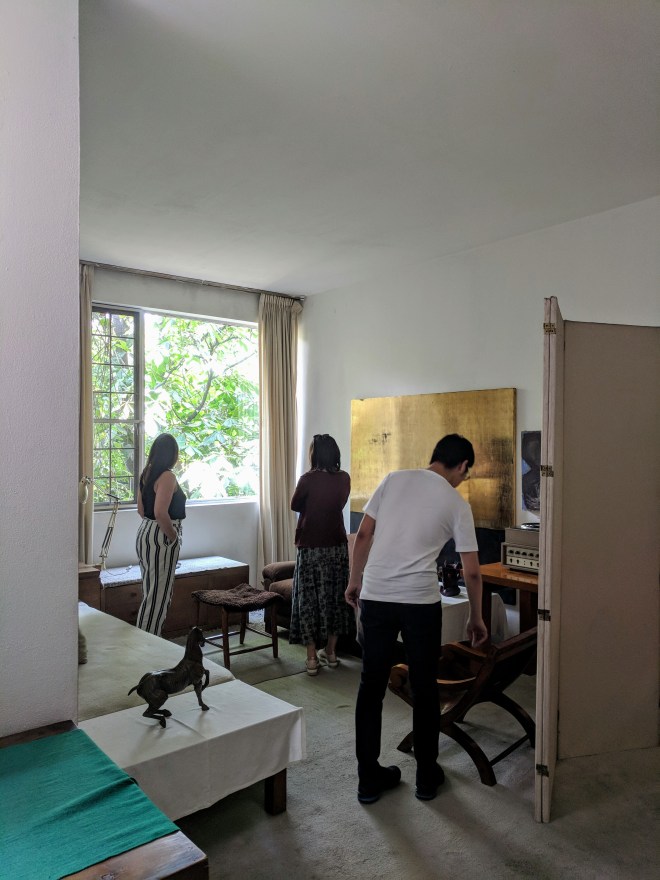
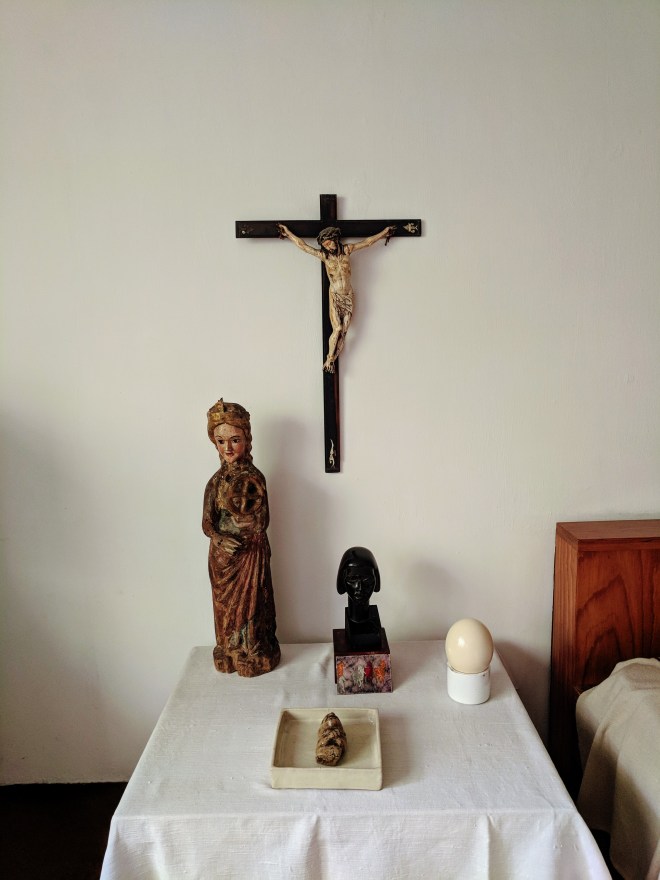
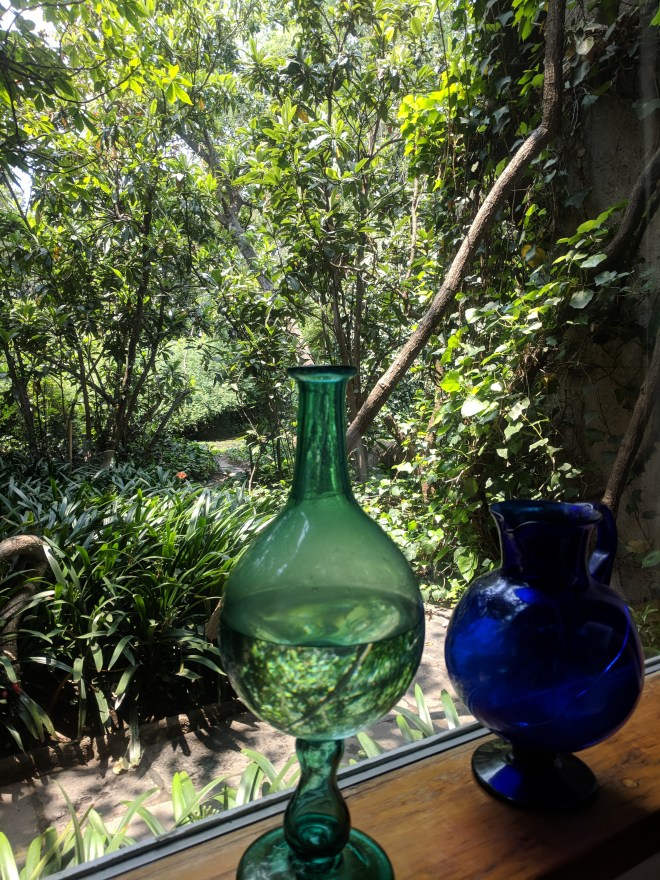
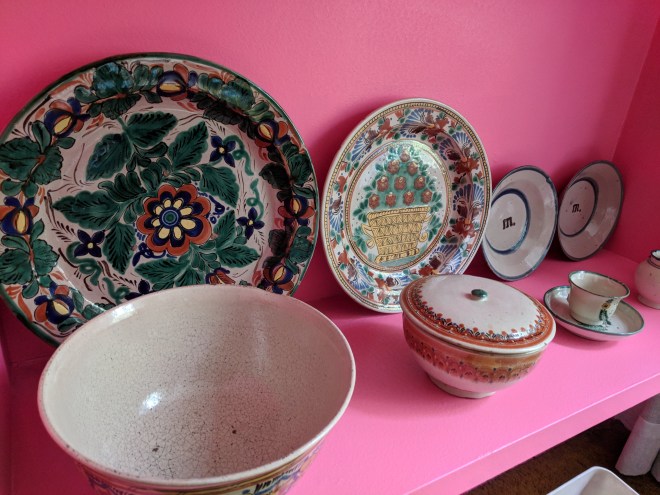
Guest room (gold painting) and Barragán’s room and artifacts. Upstairs contains the guest bedrooms and Barragán’s bedroom, his final resting place. The bedrooms are minimal in decor but highly considered in their design. Religious icons ordained his room, reinforcing his religious commitment. A large bay window reveals the jungle-like garden courtyard. Inside an old wooden hutch, you’ll find a collection of small trinkets ceramic mugs, plates, jugs, and other items dear to the architect.
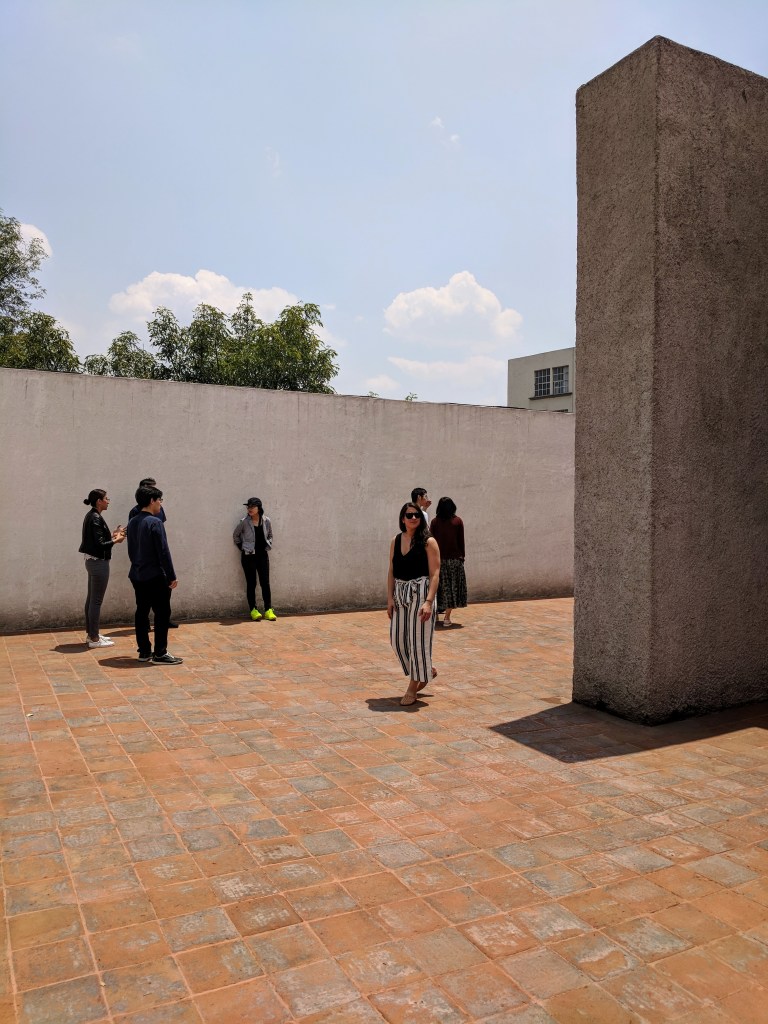
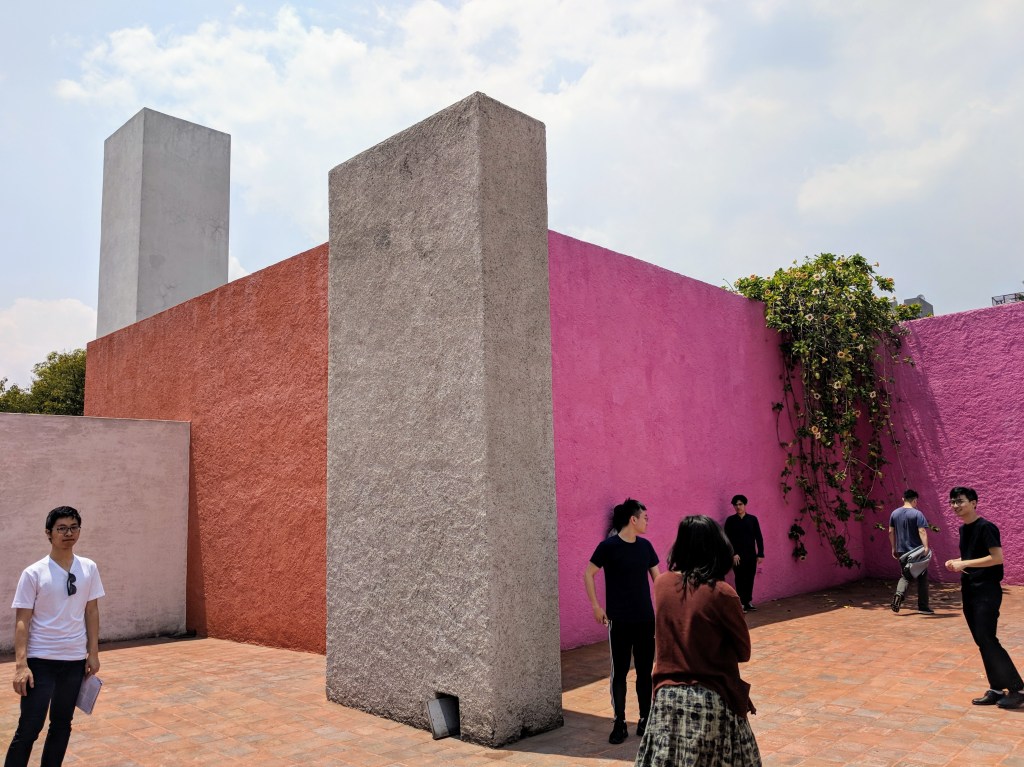
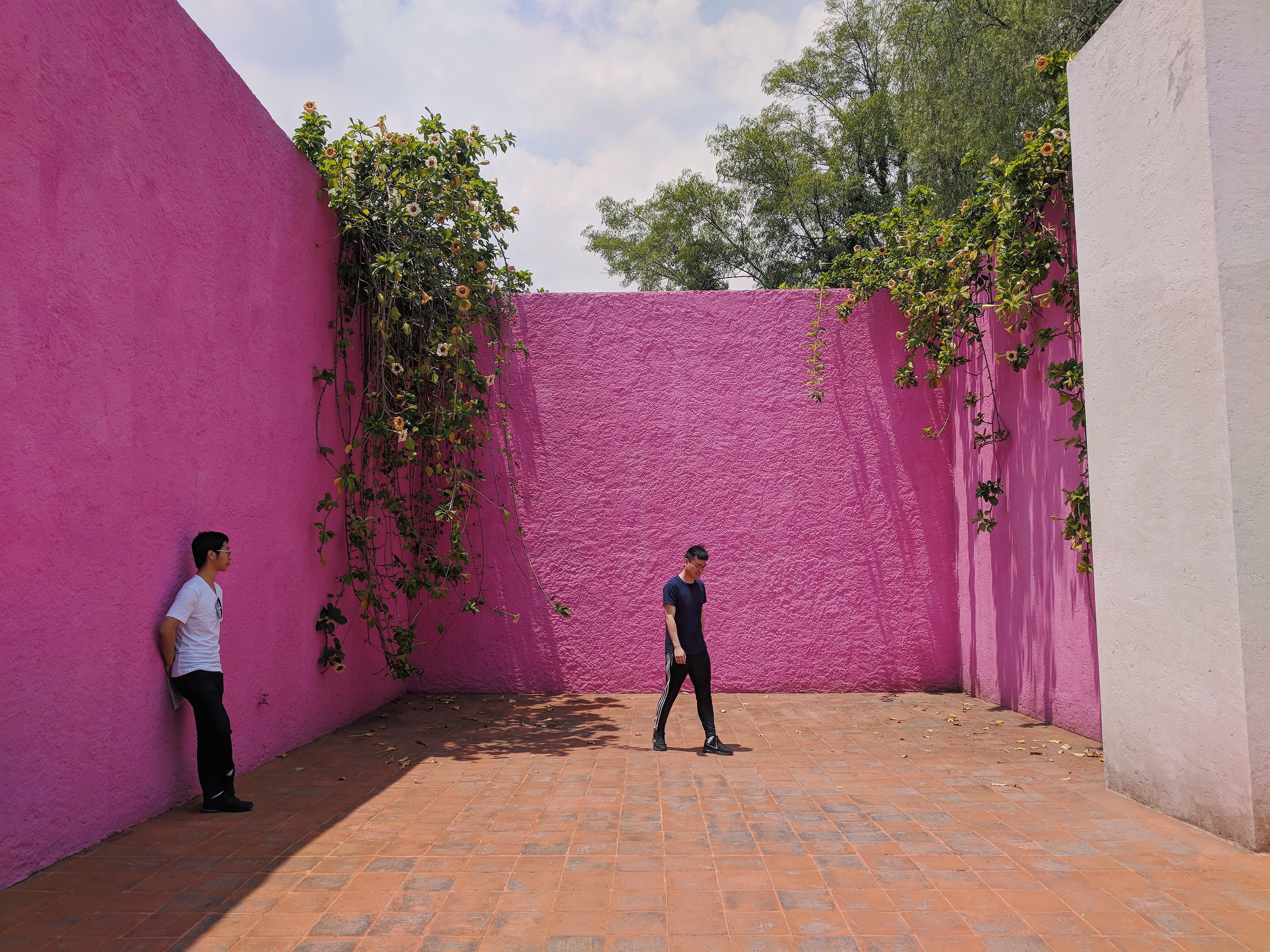
The iconic rooftop Finally, the rooftop, however, is vibrant, with bold pop-out walls contrasting the overall neutral tones. Vines crawl along the walls, adding a verdant jungle to the concrete surroundings. Just over the walls, you can catch glimpses of the surrounding city. It’s impressive how cocooned you feel from the hustle and bustle.
Practical Matters
- Book your tickets online and in advance. I booked mine a month in advance.
- There are tours in English, but they are once a day at noon and will book up quickly.
- If you want to take photos you have to pay for a photo pass, it is 500 pesos. Bring cash.
- If you arrive early, there is a lovely garden across the street where you can explore and relax.
- There is a small bookstore at the end of the tour, you can use your card to pay. However, I would have cash on hand in case the card terminal is acting up.
- Transportation: Uber is the easiest, but there is a metro station about 10-15 min walk away.
- Do a bit of research before you go, your experience will be much richer. See additional links below.
Further Reading
Explore the Surrounding Neighbourhood
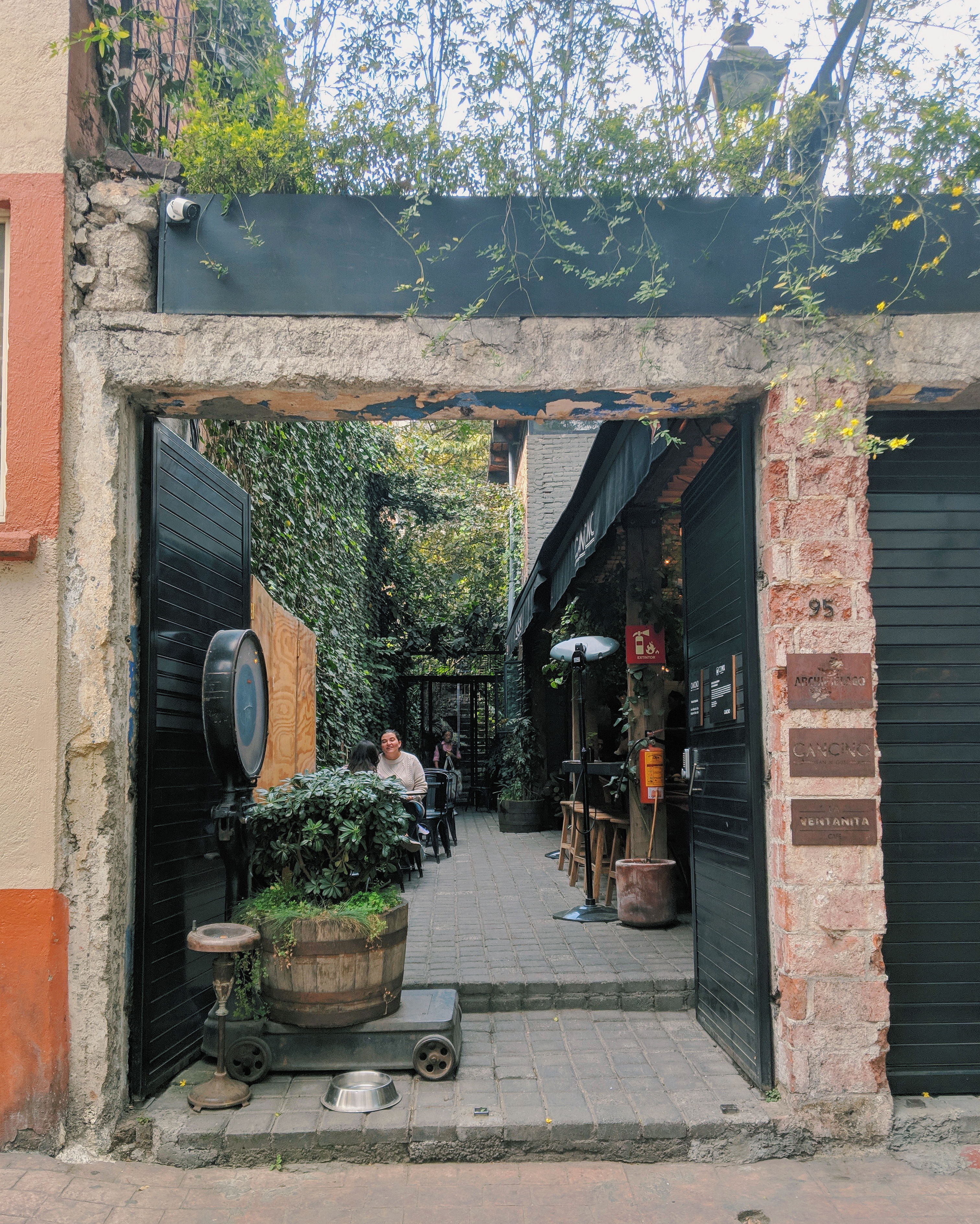
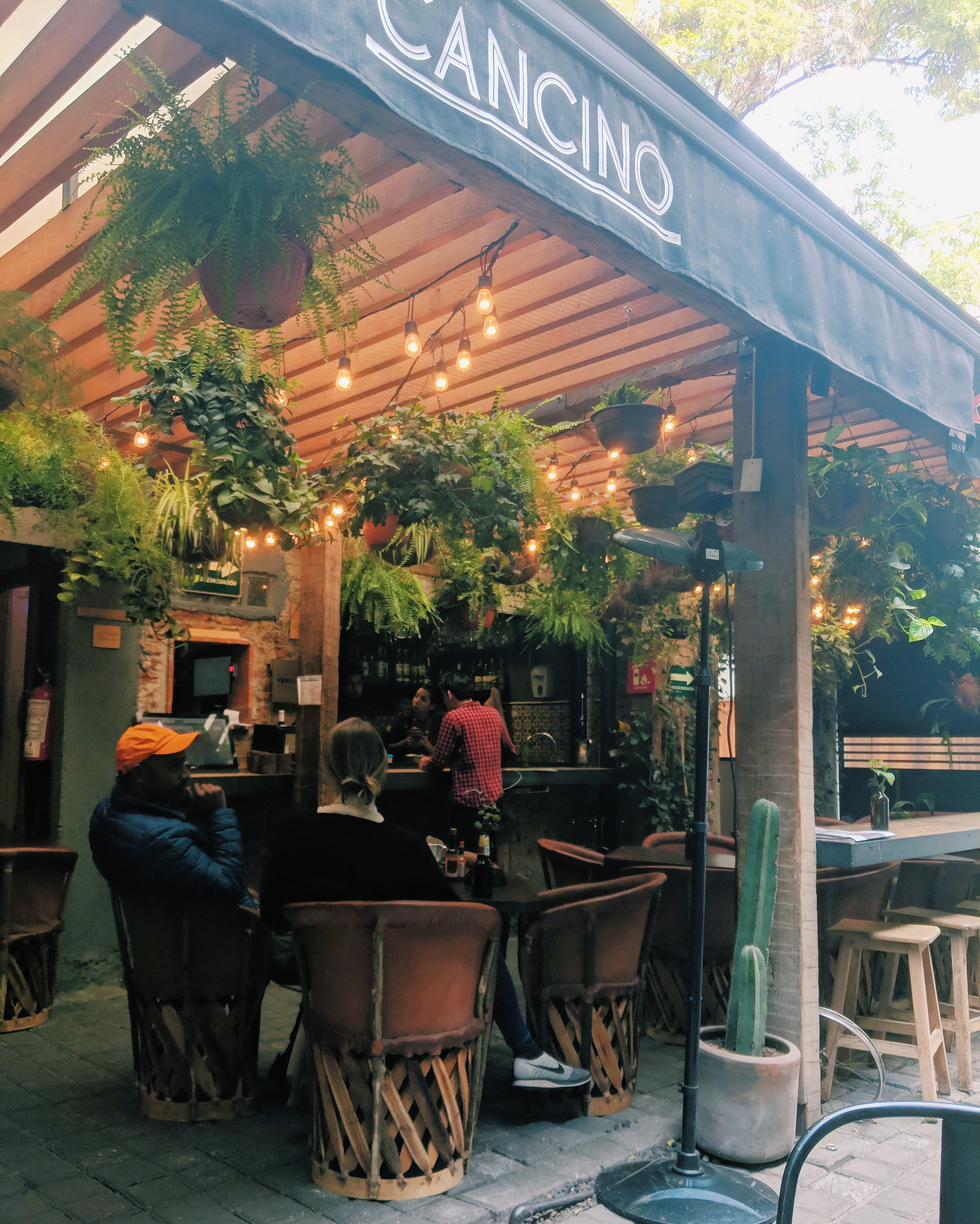
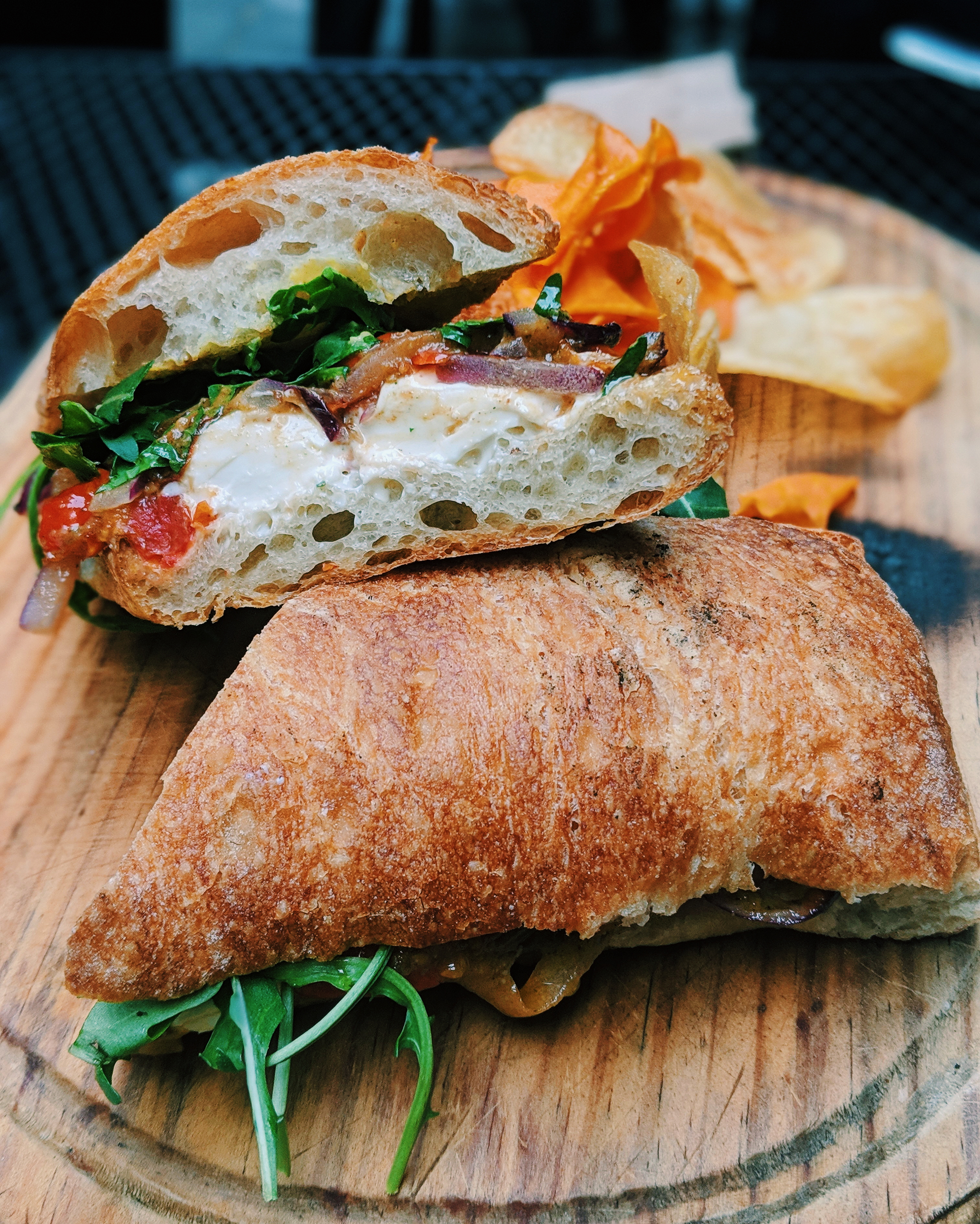
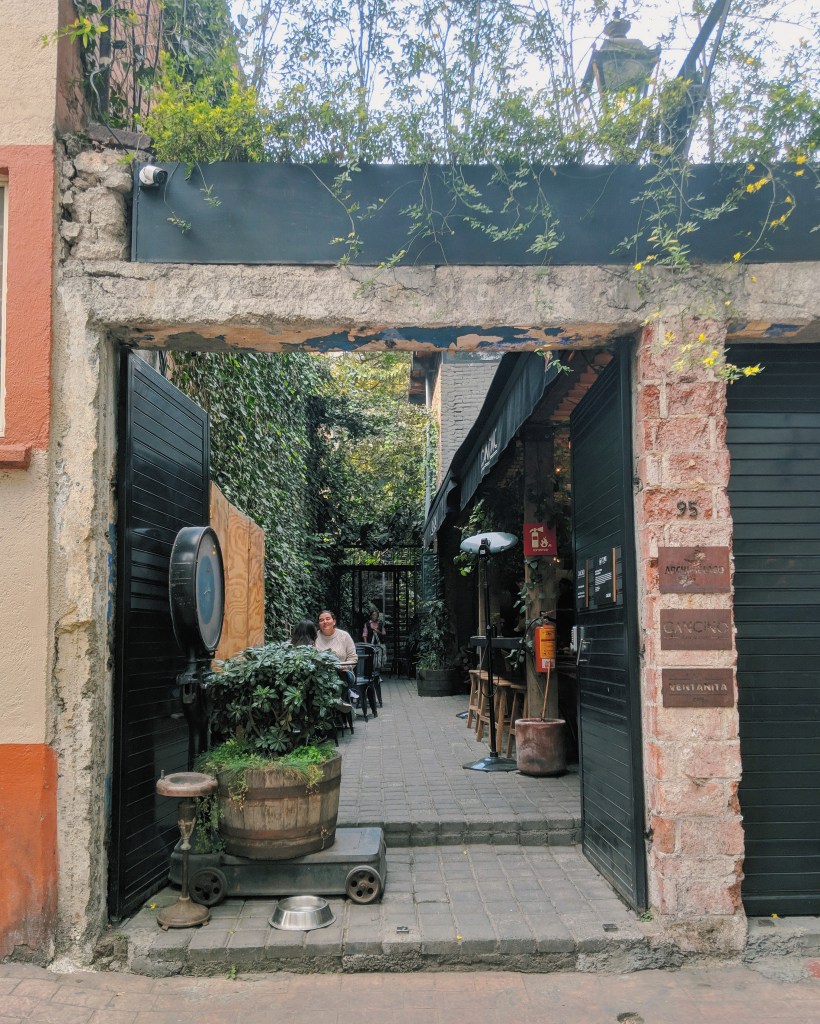
I highly recommend exploring the surrounding neighbourhood, San Miguel Chapultepec, afterwards. This area links to Tacubaya in the south and La Condesa to the northeast. If you walk down to the main road, there is a food market across the street. Afterwards, we walked back to La Condesa zig-zagging through the residential areas. Along the way, there were cantinas, shops, street art, art galleries, and beautiful homes. It was a great place to glimpse everyday life in Mexico City. Along the way, we stumbled upon a delicious restaurant, Cancino San Miguel, nestled in a courtyard off the main road. This restaurant is also across the street from the contemporary art gallery Kurimanzutto.
-
Mexico City: Casa Luis Barragán
Casa Luis Barragán is a living museum. It holds the architect’s personal artifacts intact throughout the entire house, creating a sense of inhabitation long after his passing. The main reason for this is Barragán’s housekeeper still lives in the caretaker suite, cooking in the kitchen and maintaining the home, which creates a unique and visceral experience, unlike other museum settings. The house is situated in a residential area, removed from tourist zones, making the journey feel like a pilgrimage. Although the focus is on the architecture, which is both lively and subdued, there are many other elements that are engaging and alluring about the house. I recommend this ‘museum’ because of its immersive nature, it reveals a different side of Mexican culture that would be otherwise difficult to see or experience unless you had a personal connection to someone in the city.
Entrance to the studio portion of the house. 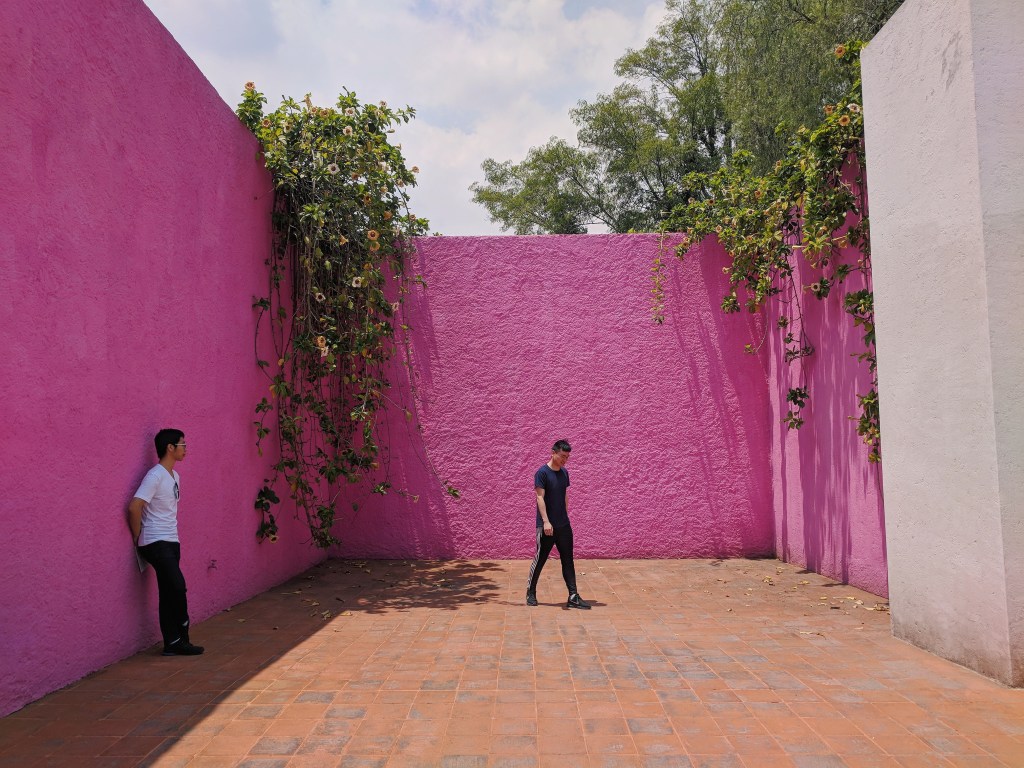
Iconic rooftop. Practical Matters:
- Book your tickets online and in advance. I booked mine a month in advance.
- There are tours in English, but they are once a day at noon and will book up quickly.
- If you want to take photos you have to pay for a photo pass, it is 500 pesos. Bring cash.
- If you arrive early, there is a lovely garden across the street where you can explore and relax.
- There is a small bookstore at the end of the tour, you can use your card to pay. However, I would have cash on hand in case the card terminal is acting up.
- Transportation: Uber is the easiest, but there is a metro station about 10-15 min walk away.
- Do a bit of research before you go, your experience will be much richer. See additional links below.
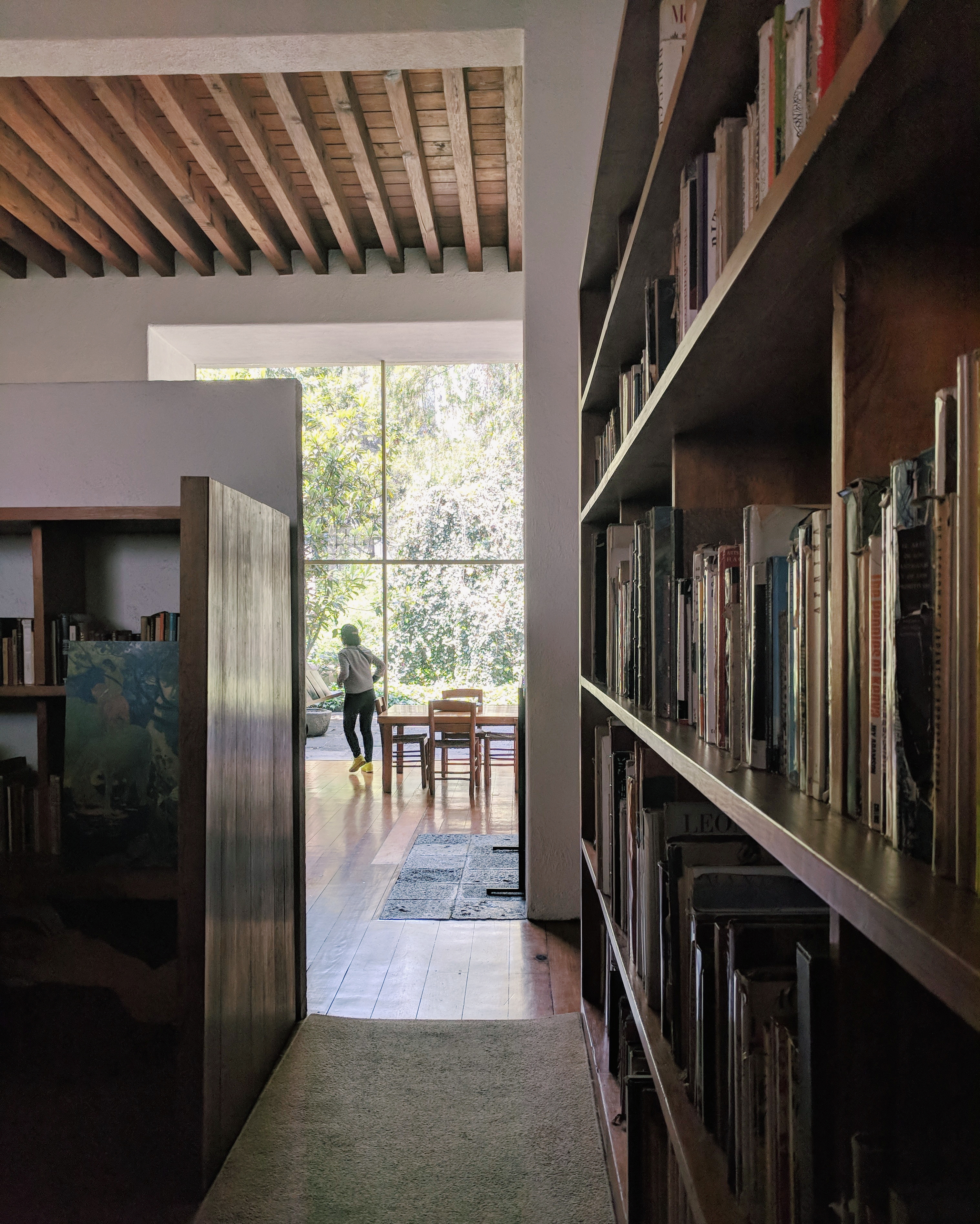
Pritzker Prize Photos of Barragan The infamous staircase
The tour of the house feels like a procession. Each room is intentional and expressive of Barragán’s nature. Once you go through the front door you feel like you are transported into the serene, the light dims, noises are muted, and calm floods over you. It is a beautiful and purposeful technique to create a separation of public and private realms, allowing you a moment to gather yourself before you head into the main part of the house. The entry room is bright with natural light pouring in from the skylight, while the bright pink walls add a liveliness to the room. This duality of calm and lively can be found throughout the house, in the rooms, hallways, gardens, and even in the placement of objects. Barragán was curating an experience in every detail. So, while you are planning your trip to Mexico City I would highly recommend finding time in your itinerary for this experience. It is something that sticks with you well after you have left.
Further Reading
Explore the Surrounding Neighbourhood
I highly recommend exploring the surrounding neighbourhood, San Miguel Chapultepec, afterwards. This area links to Tacubaya in the south and La Condesa to the northeast. If you walk down to the main road, there is a market across the street with an array food of stalls to refuel at. Afterwards, we walked back to La Condesa zig-zagging through the residential areas. Along the way, there were cantinas, shops, street art, art galleries, and beautiful homes. It was a great place to glimpse everyday life in Mexico City. Along the way, we stumbled upon a delicious restaurant, Cancino San Miguel, nestled in a courtyard off the main road. This restaurant is also across the street from the contemporary art gallery Kurimanzutto.
-
Neighbourhood: Colonial Roma, Mexico City
Colonial Roma is one of the ‘it’ neighbourhoods for visitors and locals alike. The area is a beautiful blend of leafy residential streets, mixed with cool young boutiques, restaurants, bars, cafes, and parks. Some of the cities best restaurants and boutiques are concentrated mere blocks from each other, and the charm of the colonial era architecture shines through and brightens the streets with a colourful mix of yellows, pinks, blues, and greens. Peppered throughout the streets are an incredible assortment of street art sites, some serious artists are leaving behind public art for the masses.

The neighbourhood is very walkable, with parks and tiny green spaces throughout offering an opportunity to grab a coffee, people watch, pet the neighbourhood dogs, or sit. Something you’ll see throughout the city is pay-per-use scooters; they are left scattered around parks and on sidewalks. Hop on for a scoot between neighbourhoods, take note of what the locals are doing and follow their lead.
Food Hot Spots:
These are highlights of my favourite spots, but take note there are so many other places to go and try! Also, don’t overlook the fantastic street food selection, you can get: tortas, tacos, empanadas, fresh fruit, juice, pastries, you name it. Not only is this truly local, but a fraction of the cost. I usually grab a fresh juice to start the day in the morning or get cozy next to locals while you wait for freshly prepared tacos right in front of you.

Coffee at Buna 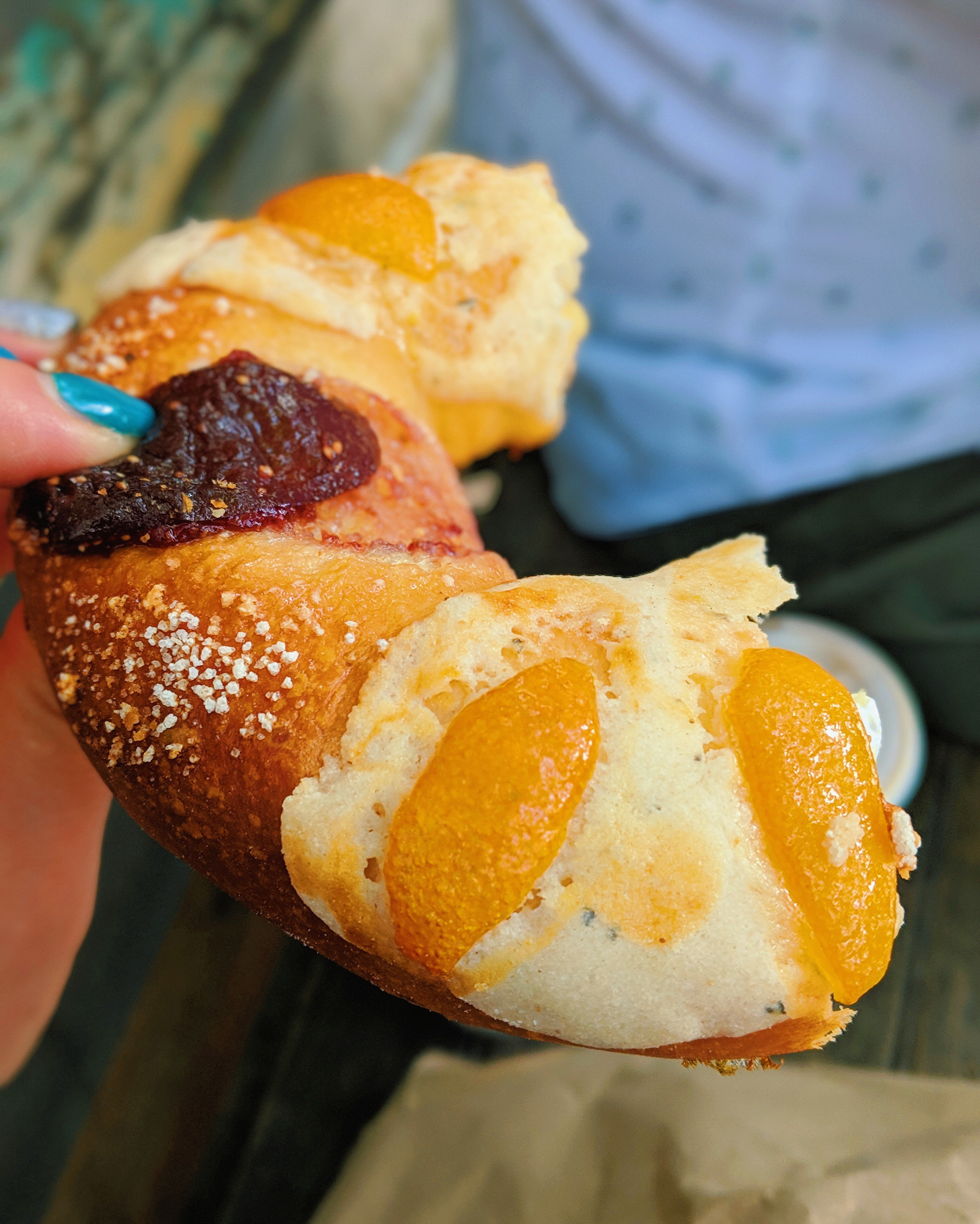
Rosque de Reyes, Pandaria Rosetta 
El Moro Churros, Mercado Roma 
Cine Tonala 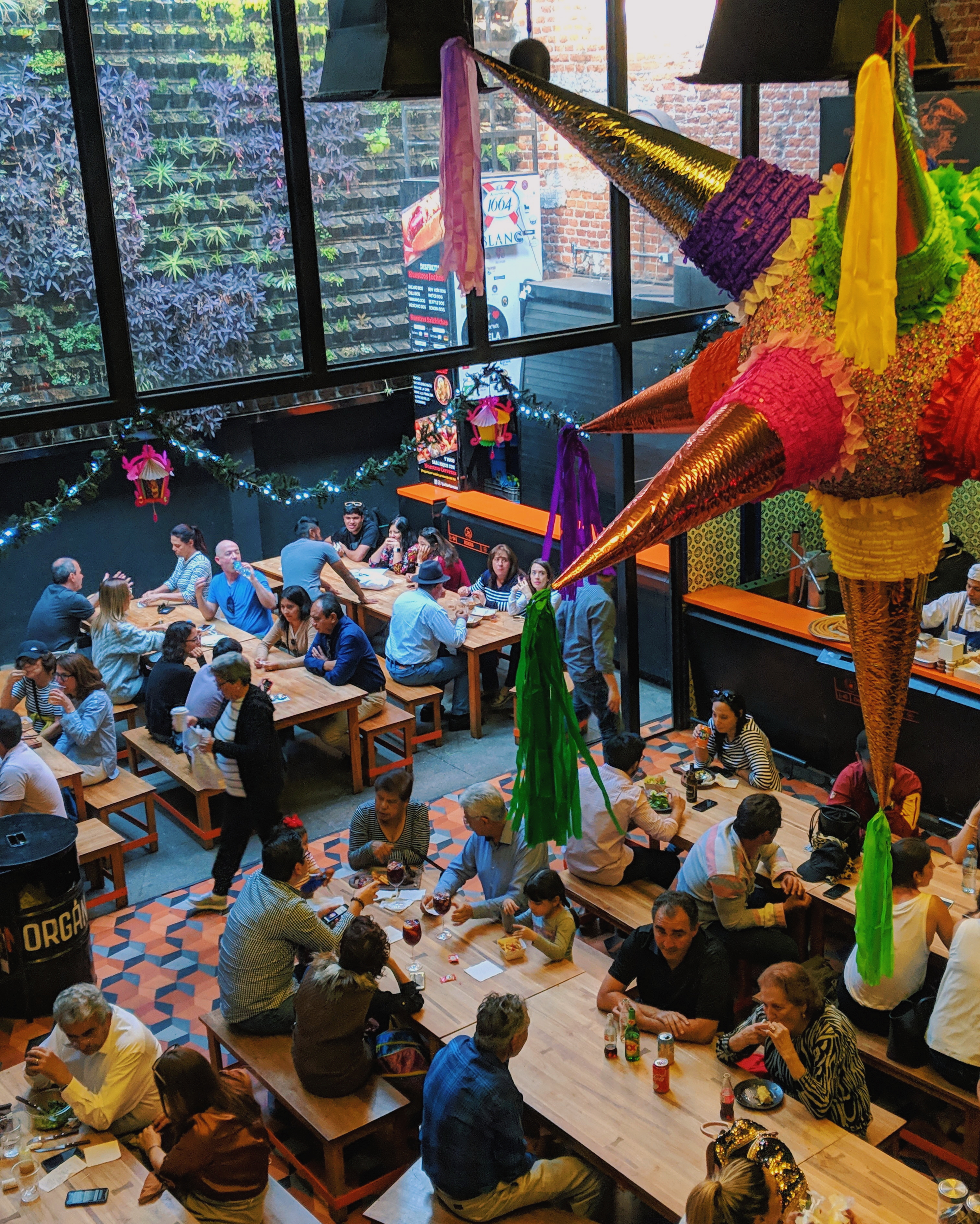
Mercado Roma
Coffee & Breakfast
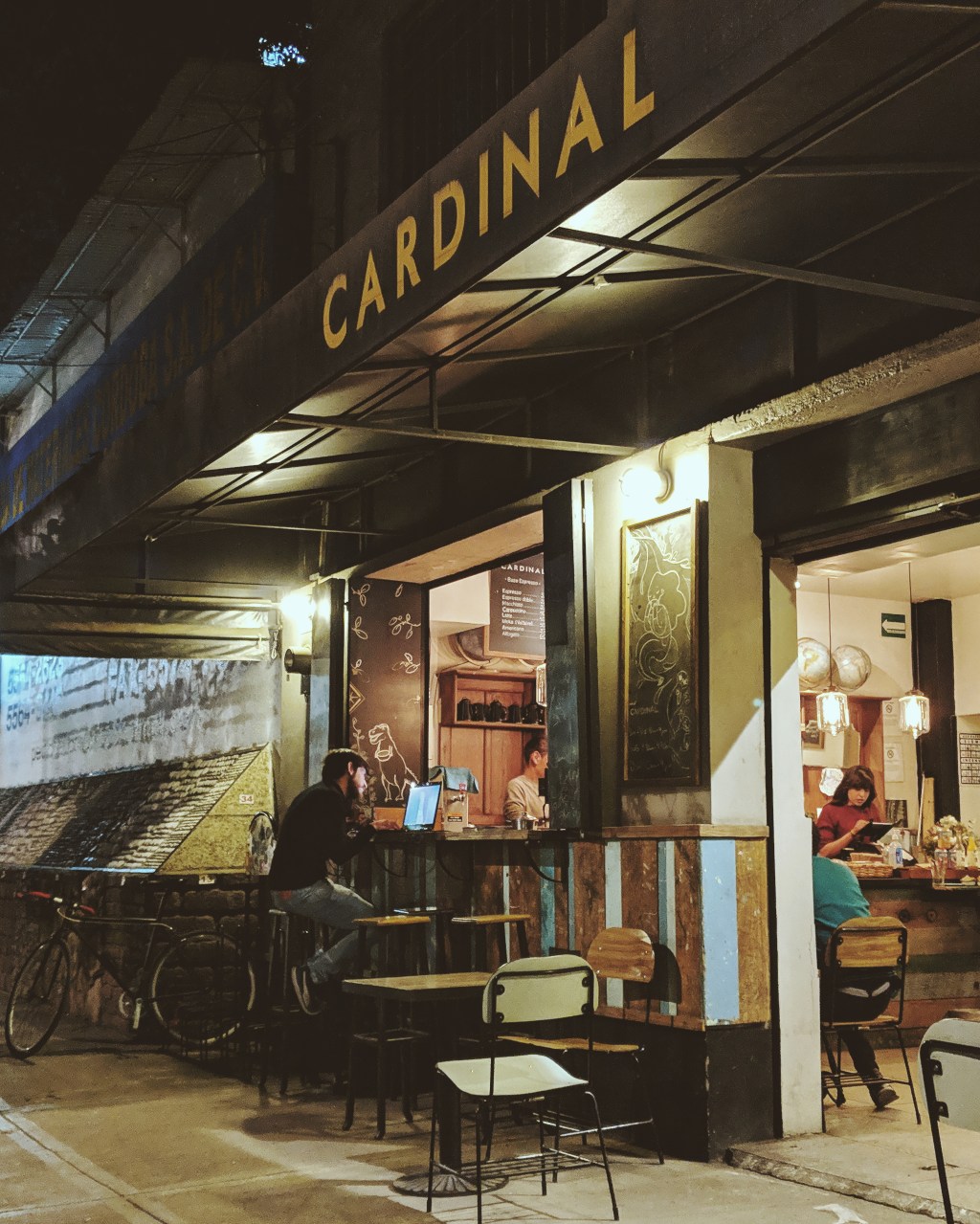
Cardinal Cafe Cardinal Cafe is an excellent spot if you want a late night coffee, need a place to focus and do some work, or to sit and relax.
Almanegra Cafe is set just below street level, this cafe has a full selection of coffee offerings, but the highlight is the espresso tonic, I’d recommend the Royal Tonic. You can also grab a copy of some of my favourite titles: Monocle City Guide to Mexico City, Drift, and Standart.
Pandaria Rosetta is a superstar bakery; despite the long lines (one to go and one to stay), it is well worth the wait. Baked fresh daily, this spot has divine pastries and delicious coffee. They also have a sister location Cafe Nin in Colonial Juarez, a few blocks away.
Buna is tiny but mighty; this cafe has an excellent selection of beans they select and roast themselves. Stay in for a latte with their homemade macadamia nut milk or opt for a pour over. The staff are super friendly and very knowledgeable.
Lalo! is my favourite breakfast spot in Roma, it’s bright, open, and has an excellent selection of Mexican dishes. Chilaquiles are my preferred breakfast choice; you can have it a couple of different ways. Don’t forget to grab a pastry from the circulating servers, along with a coffee and fresh juice.
Lunch & Dinner
Cine Tonalá is a gem of a spot, not only is it a delightful restaurant and pub with great tacos, pizzas, and local craft beer; it is also a cinema. It’s a great spot to grab dinner and drinks before a film, and the best part is you can take your drinks inside the theatre.
Sartoria is a double whammy of brunch and dinner, and both are delicious. The focus is Italian food, and they deliver with freshly made pasta in-house; I went for the Cacio e Pepe. The cocktails are super tasty and don’t skimp out on dessert. I made a reservation for dinner to be safe.
Mercado Roma is a contemporary food hall, with an impressive selection of Mexican and international food. There is even a tiny bar serving craft beer from all over the country. Order first and then grab a seat at one of the shared tables, servers will come around offering you drinks. Upstairs you’ll find a beautiful rooftop patio serving more standard Mexican and international beers. Snack downstairs and then head up to enjoy the fresh air.
Other Notables:
Porco Rosso, Cafe Toscano, Eno, Balmori Rooftop, Licoreria Limatour, Rosetta.
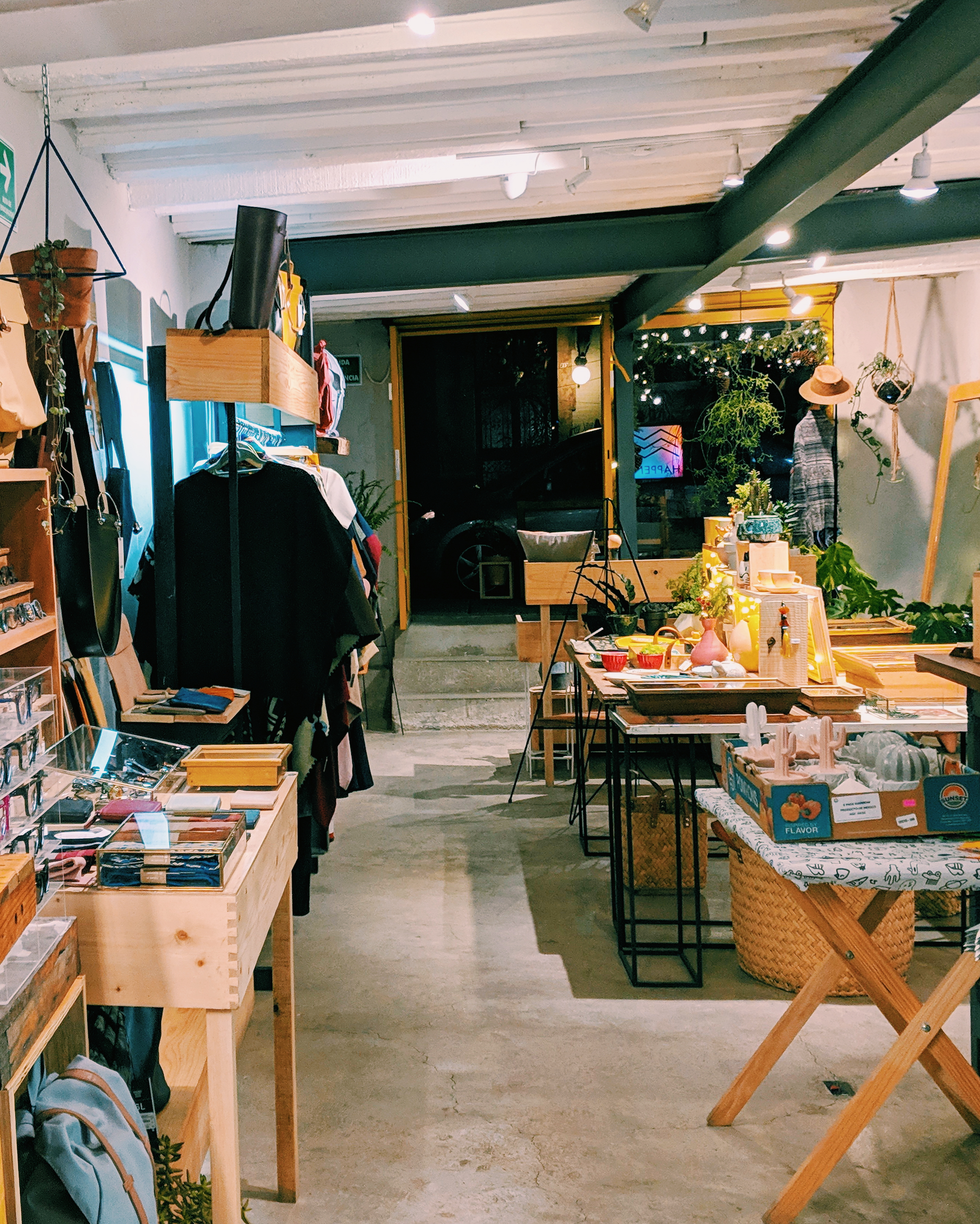
Happening Store
Shops
Happening Store an artfully curated selection of locally made clothes, ceramics, art prints, shoes and jewellery along with a peppering of international brands to round out the aesthetic. Great for souvenirs for yourself or friends.
180 Shop
180 Shop is a long-standing boutique offering an eclectic selection of apparel, shoes, bags, and accessories. Focusing on made in Mexico and local designers, this is a local staple.
Goodbye Folk I came for the shoes, the handmade leather shoes. You can buy them off the shelf, or design your own. The shop also has an awesome selection of vintage pieces to round out any outfit.
Sunday Markets 
Sunday Markets
Things to do:
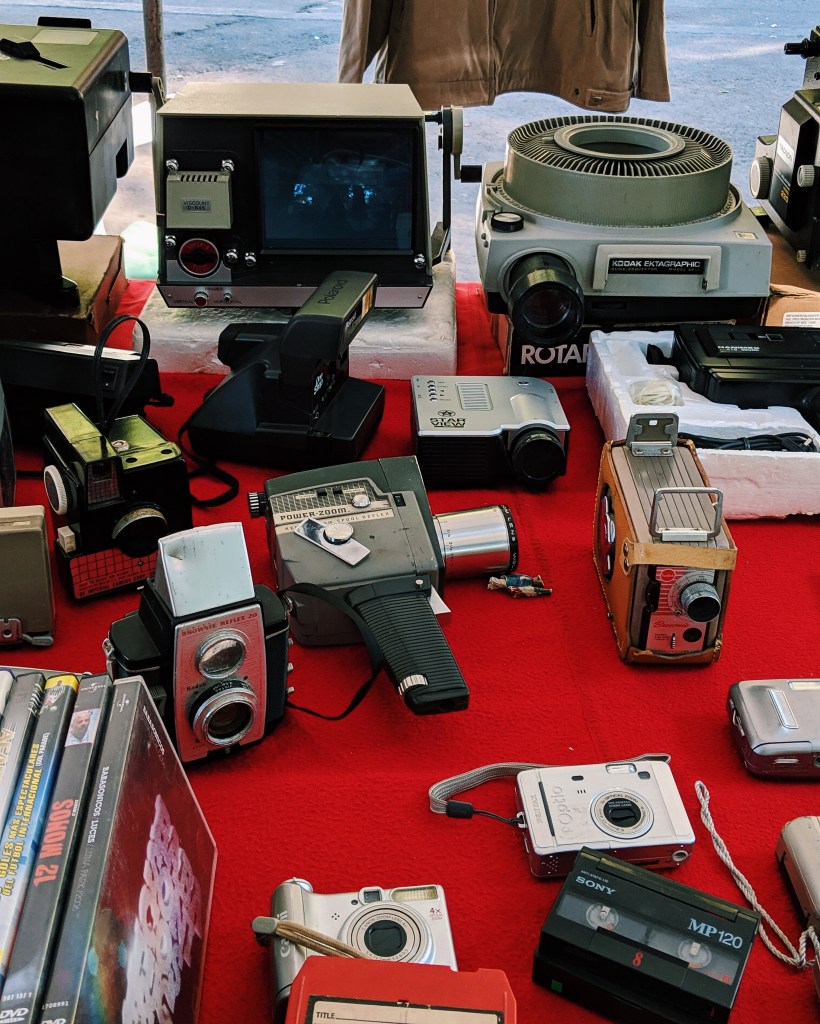
Sunday Markets these markets pop-up on Sundays around the edges of parks, they are akin to a flea market but stay sharp you never know what you may find. Typical offerings include furniture, jewellery, housewares, records, art, toys, coins, and random knick-knacks.
Roma is a neighbourhood to walk, eat, shop, drink, and repeat. You can find everything you need here; it’s a great place to wander and be curious. You may discover stretches of residential areas, but they are a nice break from the busier main streets.


About Me
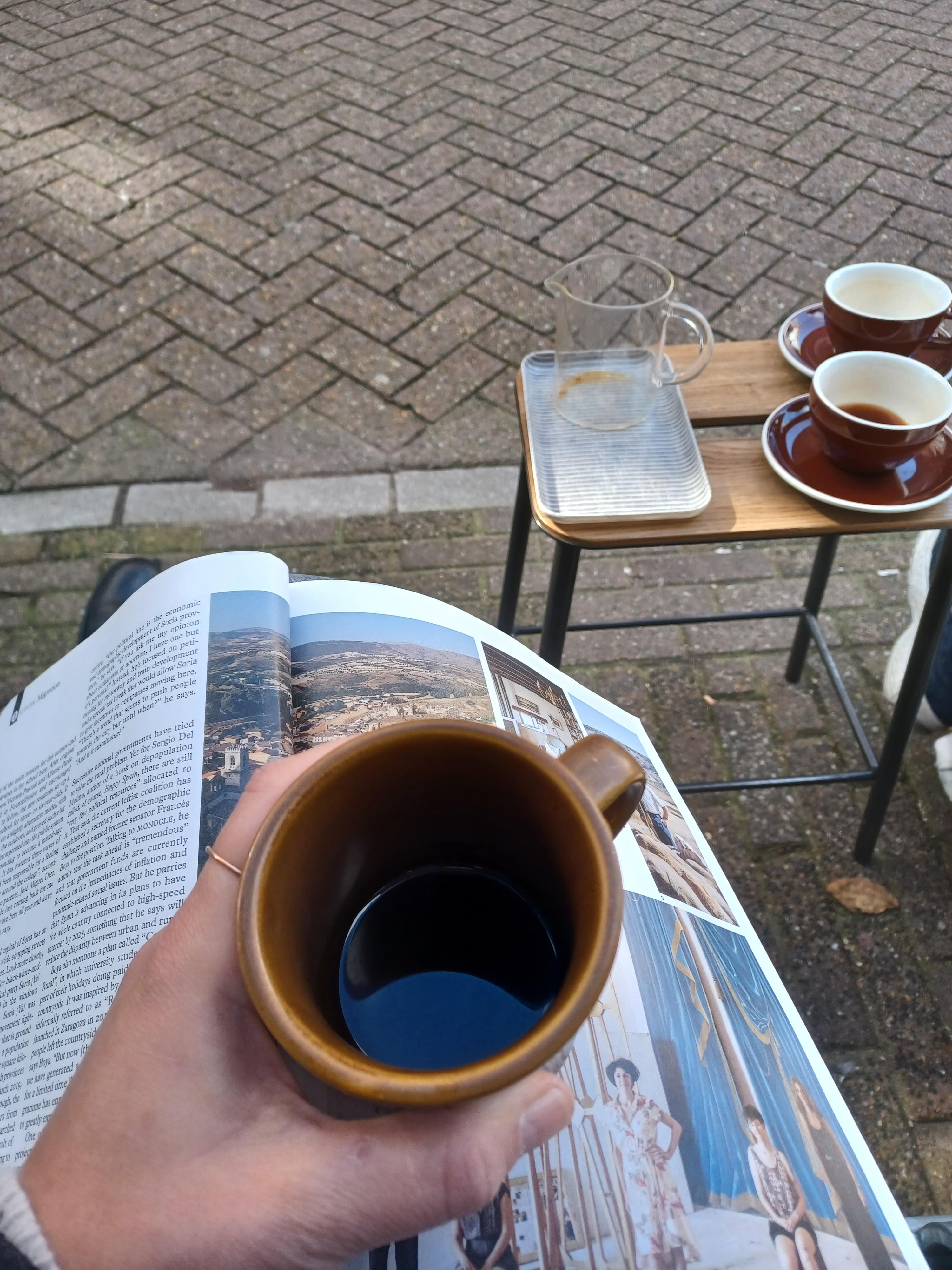
I always start my trips at a cafe, well known for it’s filter coffee or flat whites, followed up with a quick chat with the baristas on their favourite spots in the city. And getting lost in the sidestreets has always yielded the most interesting things.
Follow Me On
Subscribe To My Newsletter
Subscribe for new travel stories and exclusive content.
 Sidestreet Travel