
Sidestreet Travel strives to showcase a slower, more immersive way to travel. The goal is to provide tips and recommendations that showcase the best local offerings of a place with local, independent, and unique experiences at the core. Travel is an exceptional opportunity to explore, learn, and expand your perspective.
-
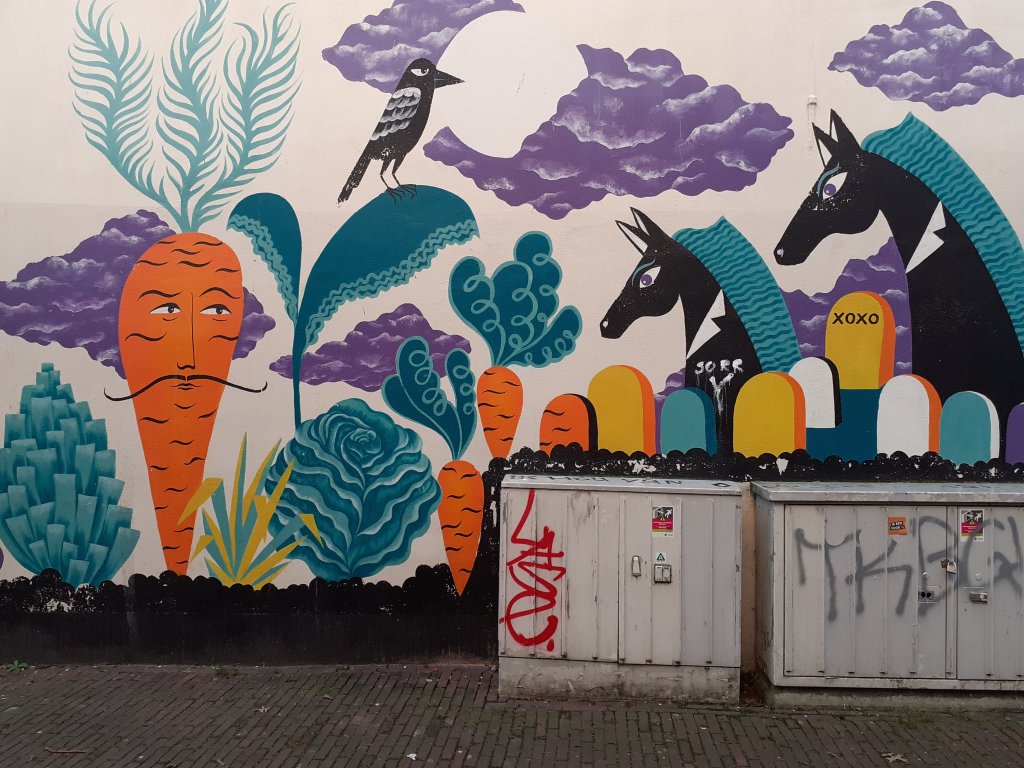
Breda: Street art and small city charm
Introduction
While visiting the Netherlands, Breda is a beautiful city to explore and relax after Amsterdam or Rotterdam’s hustle and bustle. A smaller city, comparatively, yet a cozy and dynamic feeling. There is an entrepreneurial buzz in the town that draws you in with all the start-ups, pop-ups, and small bricks and mortars dispersed throughout the city. Even more impressive is the ingenuity of small businesses during this challenging time, such as cocktail delivery to your door (socially distant and safe, of course).
There is a great selection of restaurants, bars, cafes you can order take-out or delivery from. A coffee and a stroll is still a great way to get some exercise and see the city. A large park near the train station is a lovely spot for a picnic or a chat (weather permitting). Fun fact: chickens live in the park! Repurposed industerial areas add to this historic city’s charm. Breda is a very walkable city, but also lovely to explore by bike. It has even voted for the best city centre in the Netherlands!
Chickens in the park.
Video Credit: Sidestreet TravelI should note that most of these photos and experiences were in January of this year pre-COVID.
A short history
Breda is a smaller town in the south of Holland in the province of North Brabant. The city is quaint but packs in beautiful side streets that spiral out from the city centre. The church known as Onze-Lieve-Vrouwekerk (Church of our Lady) sits in the center of the town as a beacon, wonderfully aged and visible from most parts of the city. Historically, the city is known for having a strategic military position and is still an important place for military training.
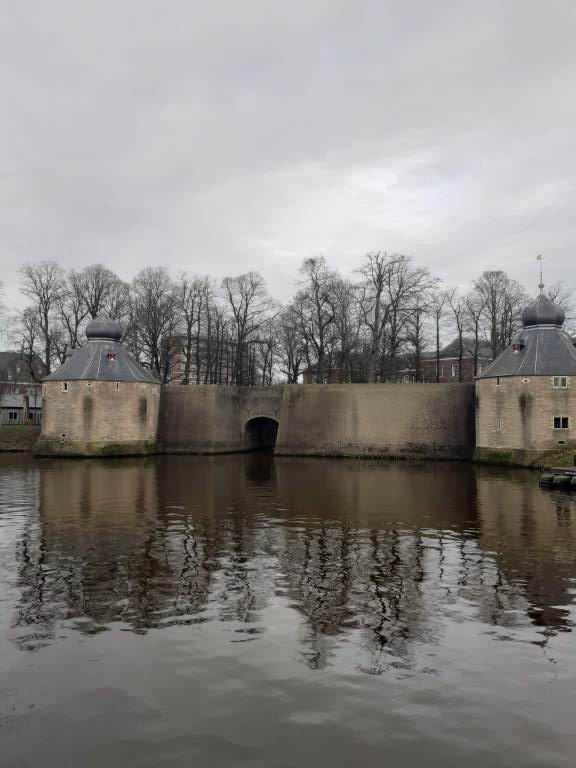
Relics of the military armaments.
Photo Credit: Sidestreet Travel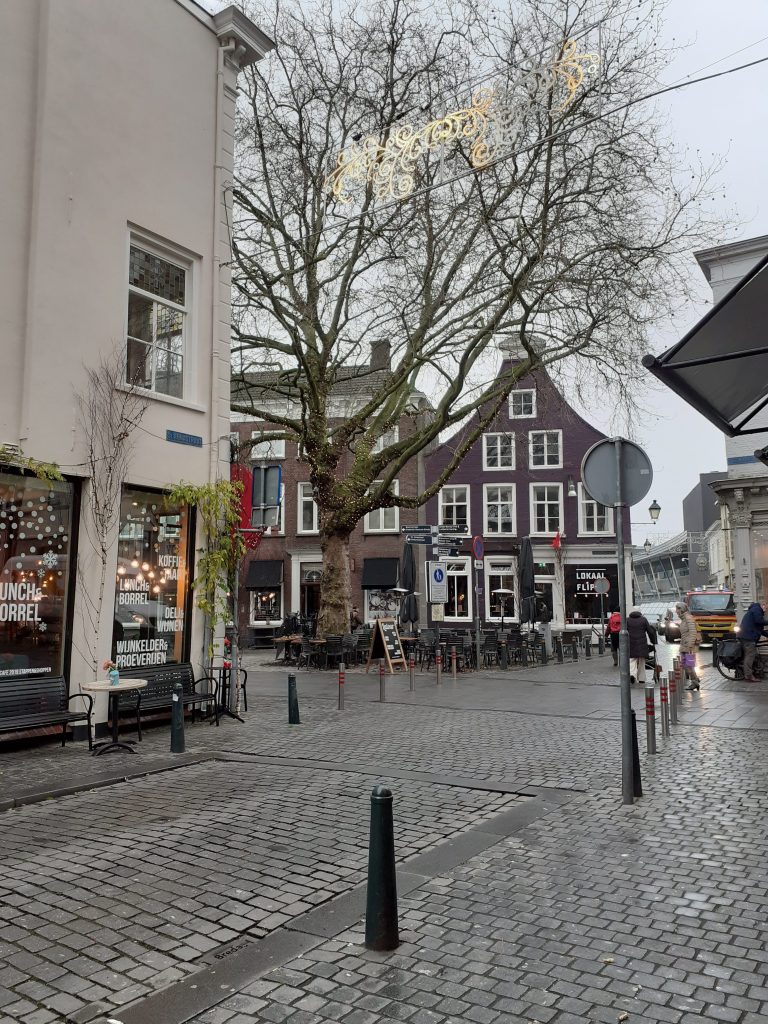
The criss-cross of sidestreets.
Photo Credit: Sidestreet TravelCultural sidebar – Sinterklaas
In the Netherlands, they celebrate Sinterklaas on December 5th by leaving carrots in the children’s shoes for Sinterklaas’s horse and in exchange, the children are left presents. The family writes poems for one other and reads them aloud the next morning. I was lucky enough to experience this while on exchange as a student in Utrecht, and it is quickly approaching!
PRACTICAL MATTERS
- Transportation: Bike, Walk, Trains, Bus, and Car
- Currency: Euro
- Languages: Dutch and English
- Accommodation: Air Bnb, and Hotels. I was fortunate enough to have a place to stay right in the city centre, but there is a fair amount of Air Bnb’s available for rent.
If you’re lucky, you can catch a ride on the back of the bike! Video Credit: Sidestreet Travel Things to Do:
Warning – I have a bias for going to the cinema while travelling.
Cinema Chasse: This is a lovely independent cinema, offering a range of films. The cinema is modern and new, with big comfy seats, a well-stocked concession and adult beverages, should you feel inclined. I was dying to see Parasite and found a screening while I was in Breda, so of course, I booked tickets. When we watched, I forgot about the subtitles. They were in Dutch while the spoken language was Korean. Luckily, I had a handle on the film and an interpreter filling me in on the key points. In other instances, there would have been English subtitles, so just consider this if you go to a film here.
Pathé Theatre: This theatre is focused on more commercial films. But it is an excellent option if you want to watch a blockbuster hit
Stedeliijk Museum Breda: The Stedelijk Museum is located just outside the city centre. It has a beautiful collection of older Dutch paintings, providing historical context to Breda’s past and its critical role in Dutch history. There are also contemporary exhibits on rotation. The museum is smaller, so it is feasible to do it all in one go and then take a break and have a coffee or lunch near the canal, at the Botanist or Dok19.
Street art
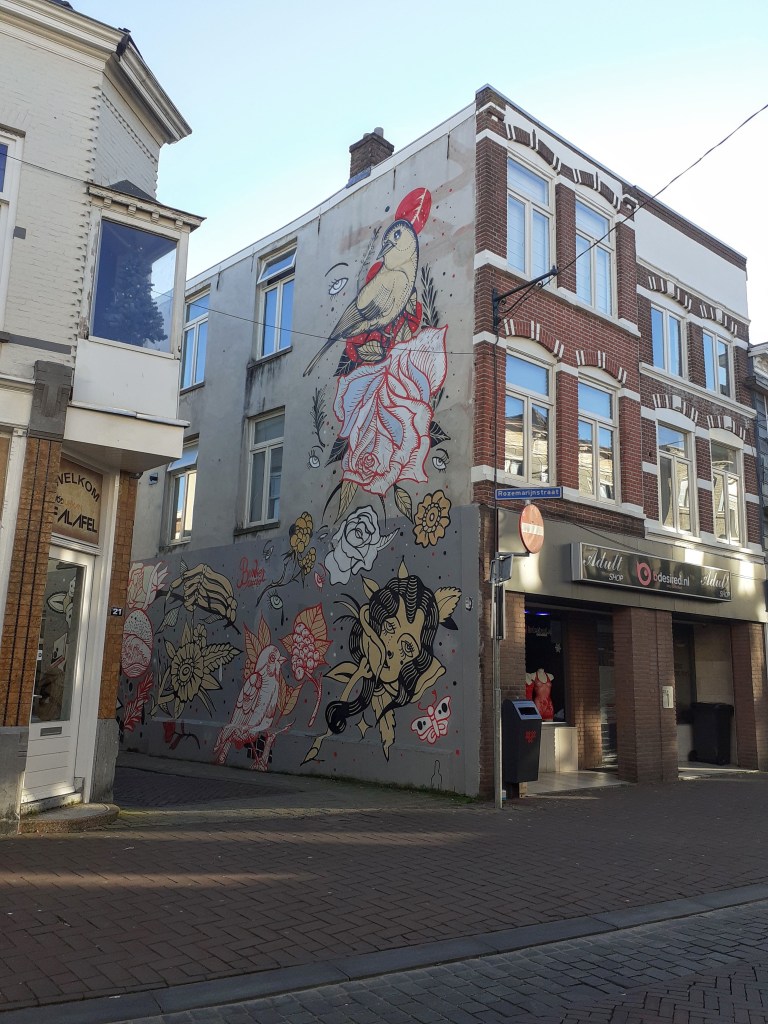
There street art is Breda is beautiful! You can take a self-guided tour created by Blind Walls Gallery and see the city from a different persepective.
So you want to go shopping?
What struck me is how connected the business community is in Breda. Businesses of all stripes support each other directly or indirectly, whether it is purchasing provisions from one company to use directly in another or choosing local brands and businesses over chains. Everybody also knows everybody. There is a tight-knit feeling in the city.
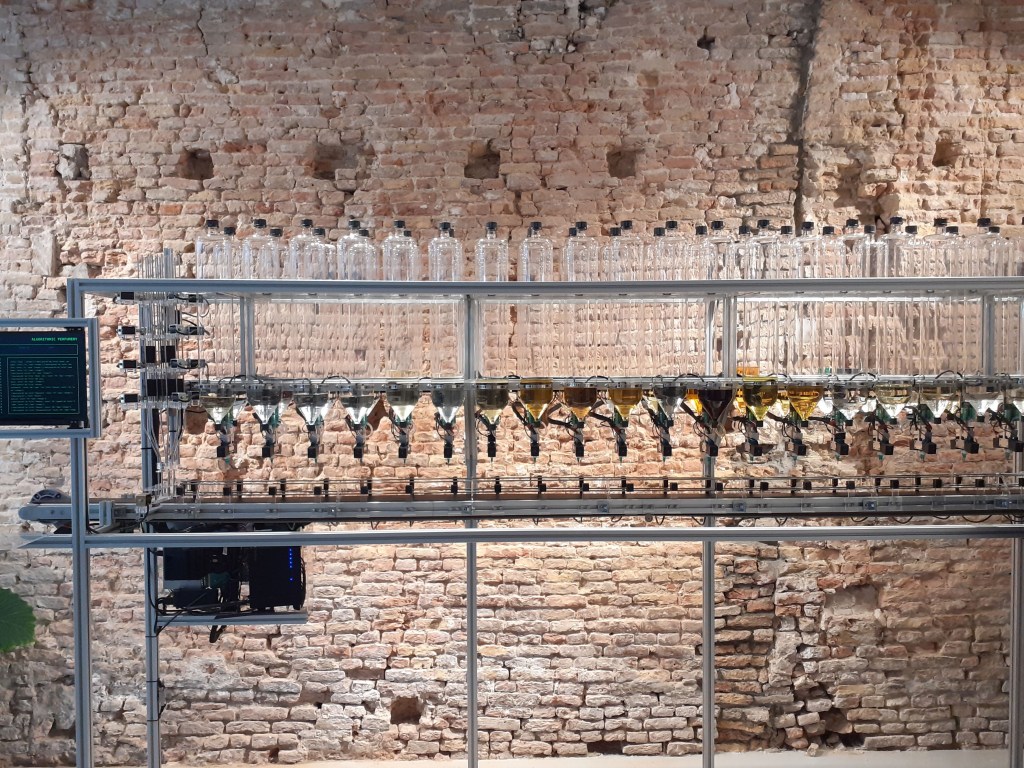
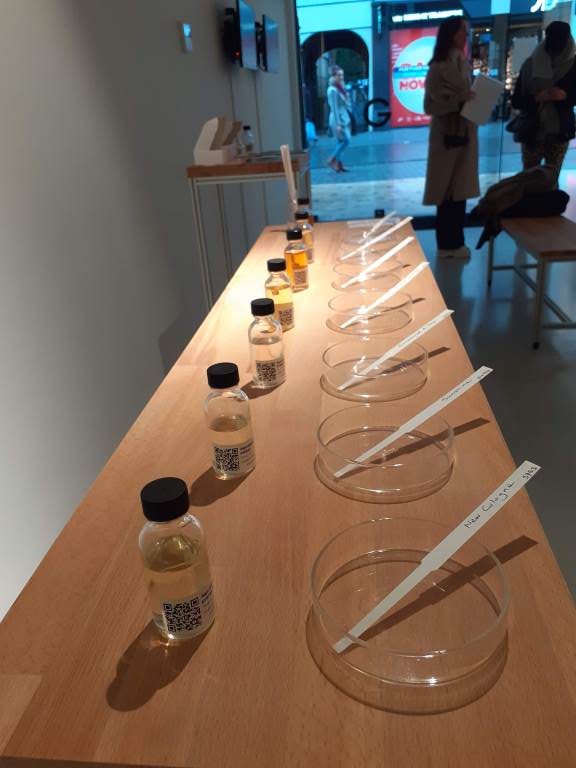
Algorithmic Perfumery: This is truly a novel concept shop. This is a perfume shop, but with a twist. The process is experiential. First, you take a survey to understand your smell preferences and then go into the shop to do the second part, smelling different scents to hone in on our likes. After that, their AI produces three scents (if you buy the sample pack), which you are then able to tweak at the scent desk. I loved developing my own scent by tweaking something designed for me and trying something slightly different from what I wouldn’t usually have gone for. If you’re in Breda, you must go here!
The custom perfume experience at
Algorithmic Perfumery.
Photo Credit: Sidestreet Travel
Hutspot: Is a beautifully curated shop featuring women’s and men’s clothing, jewellery, homeware, books, and gifts. With a clean, modern aesthetic, they carry homegrown Dutch brands and international brands—a great spot to pick up a gift or something nice for yourself.
De Pindakaaswinkle: I love peanut butter, and when I stumbled on this peanut putter pop-up shop, I fell in love! They offer a unique selection of natural peanut butter with different flavours. You can do a taster of little ones to see which ones you like best or jump right in for a full-size jar. They also offer cool merchandise and a recipe book! Great for presents or a cool souvenir.
Dille & Kamille: An iconic home goods store, beautifully stocked with an excellent selection of kitchen treats and accessories. You will find pretty much anything you need for your home and more. I picked up some lovely postcards for friends, but that was me restraining myself. You will see locals with the iconic tote bag in most cities.
Bunker Tattoo: Is a famous studio with locals. They have an excellent selection of artistic styles available here. It is wise to book in advance. This place is hard to get a spot.
Weekly Markets: Grote Food Market & Flea Market
Where to satiate your hunger
It should be noted that although this section is relatively small, there are lots of tasty places to eat in Breda. And, it is also possible to eat or lightly snack at many of the bars listed below. I will highlight Dok19 for light snacks and dinner and the Botanist for brunch!
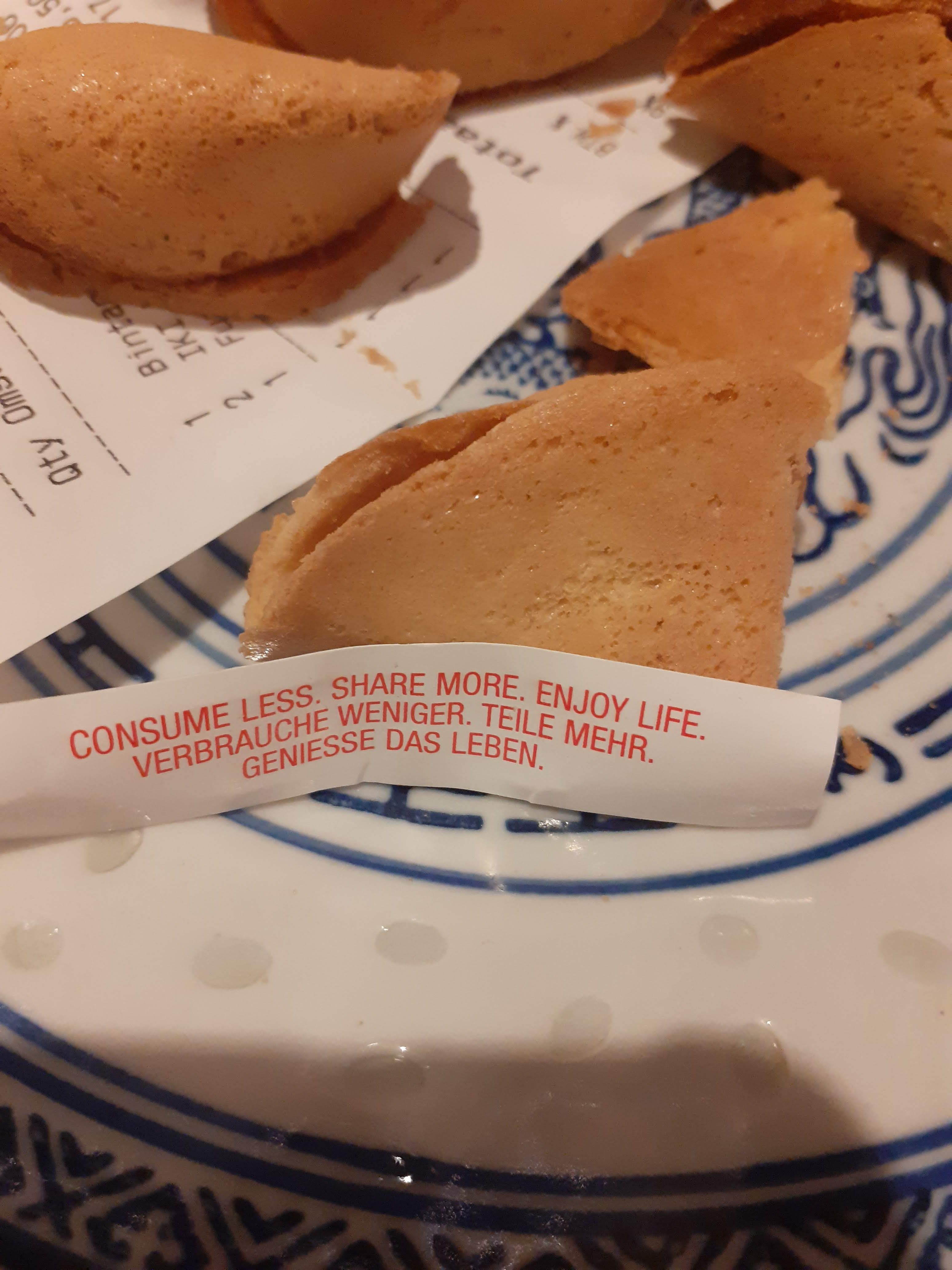
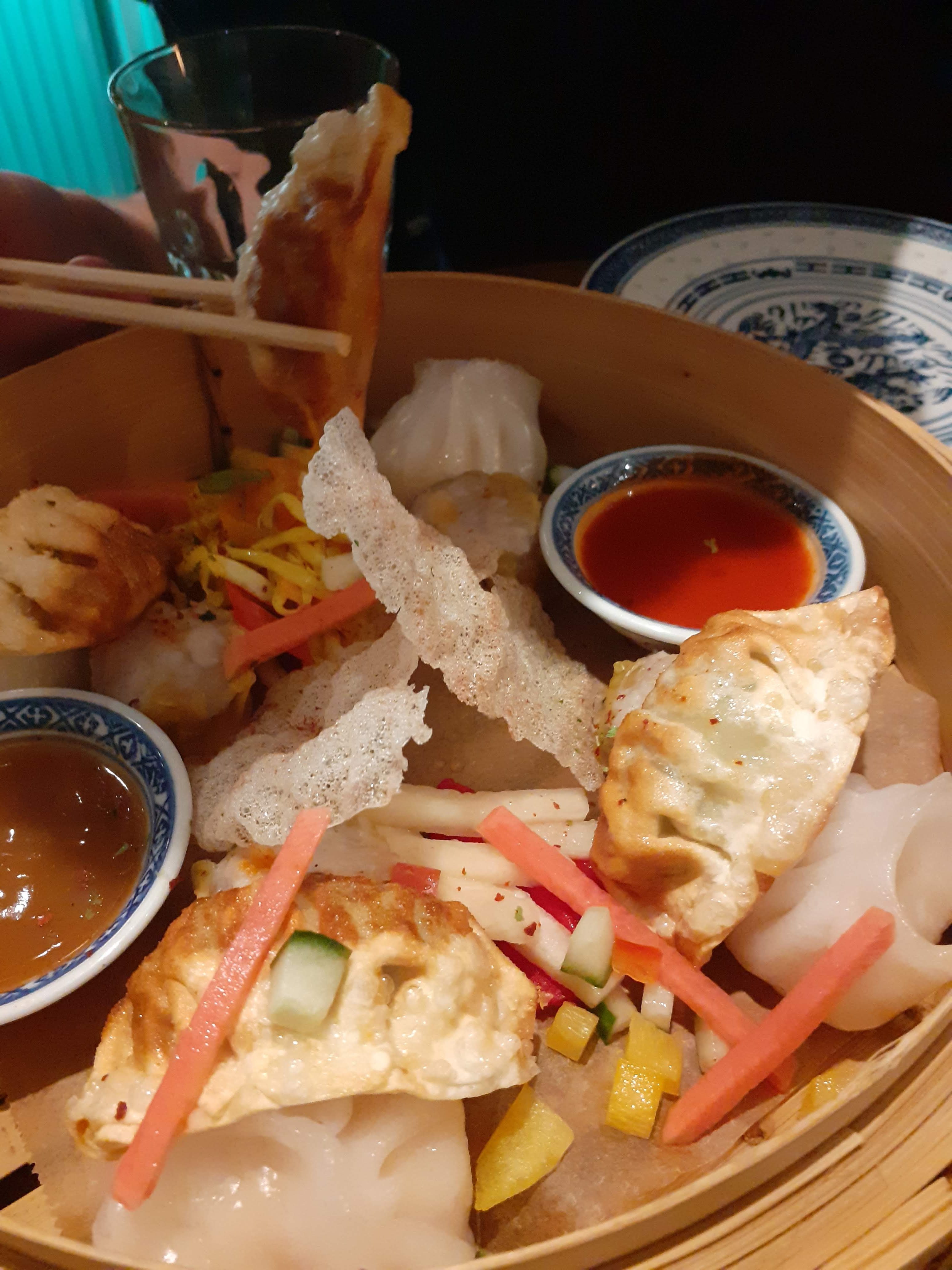
Tiger Club: Asian fusion, a restaurant that highlights the popular dishes in Korean, Chinese, Thai, and Japanese cuisine. All the delicious things you may seek out in an individual restaurant live harmoniously here. I tried the dim sum, gyoza, dumplings (pictured), bao, pad thai, and fried rice. My favourite was the baos, so soft and a fun twist on a traditional dish. The dumpling platter is a great dish to share and make sure to try the unique Japanese beer offerings.
In Kannen/Kruiken: – A cute cafe and breakfast spot, it’s a long narrowish space that’s cozy and homely. Couches and lounge chairs are interspersed through the dining tables. A long communal table at the back is bright and airy from the natural light cascading down from the sunlight. It’s a perfect spot for kids, and you can make takeaway coffee.
Fancy an Adult Beverage?
Dok19: A famous watering hole for locals has two floors and an expansive terrace by the water. The most popular spots are in front of the bar. Here you can see how small the city really is as locals bump into each other continuously. The upstairs is a cozy area to share beers with friends or have an intimate conversation while people watching from the balcony. Sit outside if you want a more lively atmosphere. It’s packed even in the cold. Dok19 is well-known for its old school hip-hop vibes, with a famed circuit of DJs regularly in residence.
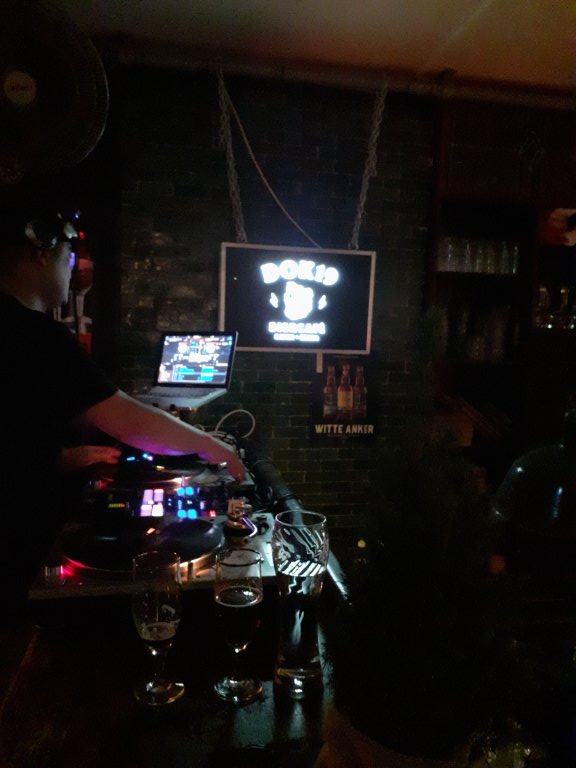
Dok 19 hip-hop set.
Photo Credit: Sidestreet TravelDe Botanist: Vibrant and verdant, this is a cocktail bar with a modern tropical vibe. The bar is a great place to sit and meet people or chat with the bartender about making you a refreshing concoction. They offer cocktails of the day, so be adventurous and try one of their creative cocktails. Good solo, for two, or a large group. They also offer breakfast, lunch and dinner.
Cafe Lievense: This is a large bar with a stunning courtyard when the weather permits. The space is suitable for groups and serves light snacks, beer, and wine. It’s a cozy bar with a relaxed vibe, popular with locals and a little more tucked away than some of the other more central bars.
Cafe De Bruine Pij: Cozy and full of character, this is a bar with an extensive collection of collateral crammed onto its walls and peanut shells littering the floor. If you love beer, it’s an excellent spot. They have a good selection of local offerings or something different. The patio is substantial and ideal for groups or solo and people watching.
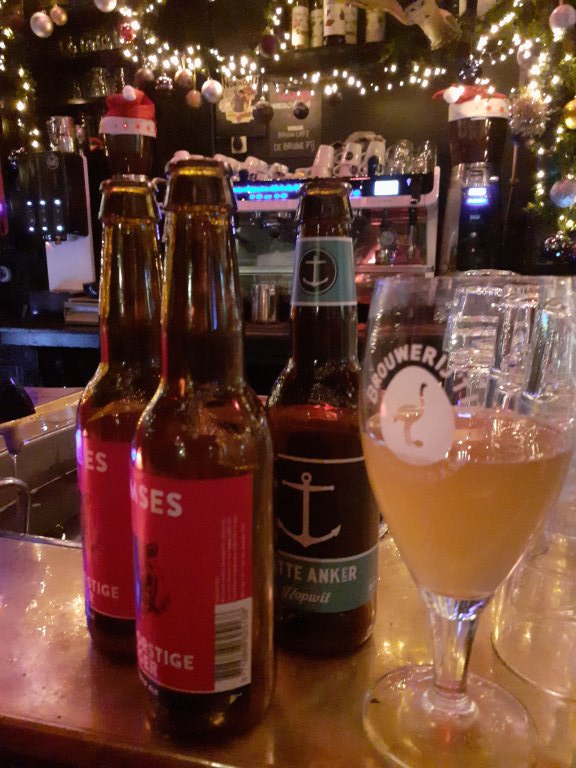
A great beer selection at Cafe de Bruine Pij.
Photo Credit: Sidestreet Travel1535 Wijnhuys: Is a wine bar with an excellent selection of hand-picked wines from around the world. The server’s knowledge of wines is vast, and it was great to discuss their collection and try their recommendations. It’s an intimate spot with a casual vibe, great for a few glasses of wine before or after dinner.
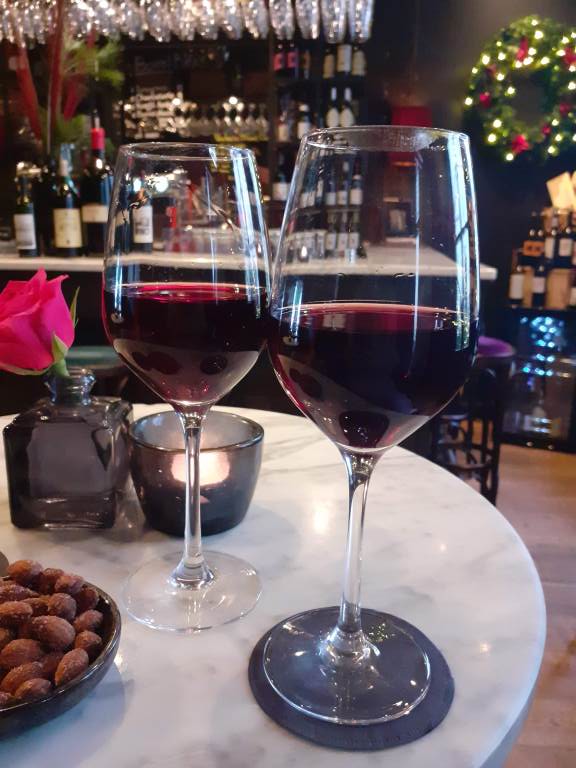
A delicious selection of world wines at 1535 Wijnhuys.
Photo Credit: Sidestreet TravelCaffeine addict?
Yirga: Is one of my favourite cafes. It’s modern yet relaxing with an excellent menu for breakfast, lunch, or snacks. Many of the ingredients in the dishes are locally grown by the team at Yirga. They have a beautiful terrace outside, so when the weather is warm and sunny, it’s the perfect place for a coffee or a glass of wine. They also have a beautiful selection of handmade ceramics from a local ceramist, an excellent selection of independent zines, wine, and whole coffee beans to-go. It’s also on a charming side street, making them feel more hidden and off the beaten path.
Sowieso KoffieBar: A cozy cafe to read a book, the newspaper, catch up with friends or do a little work. It has a welcoming vibe that feels like you’re visiting a friend. There is also a cute small courtyard for sunny days: great coffee, snacks, and sandwiches.
Barista Cafe: This cafe has the best carrot cake I’ve ever tried. I was very impressed with the modern take on a classic cake. The flat whites are also delicious. If you need something more substantial, they have a tasty sandwich selection. I also later found out they make homemade pumpkin pies for Canadian Thanksgiving!
-
Festive cinema – 25 Christmas Films
As we move into the final month of 2020, it also happens to be the year’s festive end, if 2020 was a typical year. 2020 has thrown us some major curveballs, but now that it’s officialy December 1st, so it’s jingle all the way. I suppose the silver lining in all of this is that we have more time to watch holiday films. So, here are my top 25 Christmas movie recommendations. This list is not exhaustive, so please leave your favourites in the comments below! 🎄🌟 Happy Holidays!
MY FAVOURITE CHRISTMAS MOVIES
Christmas Vacation
The Holiday
Love Actually
Fred Claus
Gremlins
Die Hard
Elf
Charlie Brown’s Christmas
Mickey’s Christmas Carol
Scrooged
Home Alone 1 & 2
The Grinch (Original Animation)
The Grinch (Live Action)
Rudolph the Red-Nosed Reindeer
Frosty the Snowman
A Very Murray Christmas
Office Christmas Party
The Night Before Christmas
A Christmas Carol
Arthur’s Christmas
Claymation Christmas
Pink Panther Christmas
A Nightmare Before Christmas
Jingle All the Way
The Santa ClauseLet the Christmas movie marathon begin! BONUS MOVIES – HOLIDAY HORROR
Black Christmas
Krampus
The LodgeChristmas is a little different in some parts of the world.
-
Beach Volleyball in the Carribean
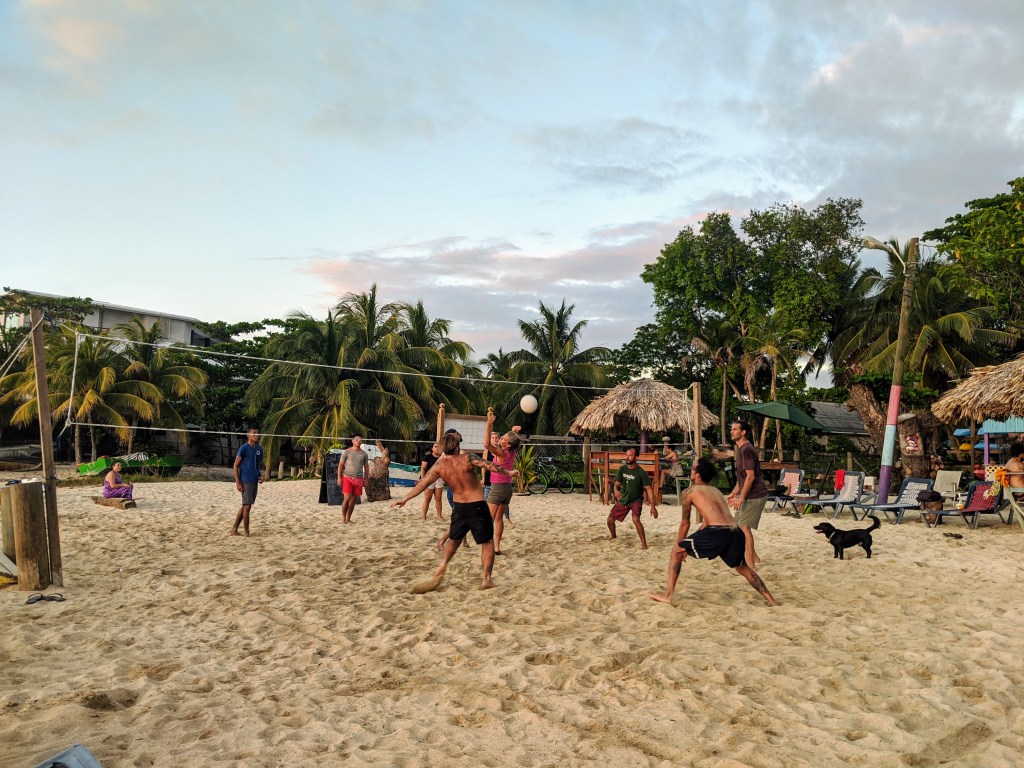
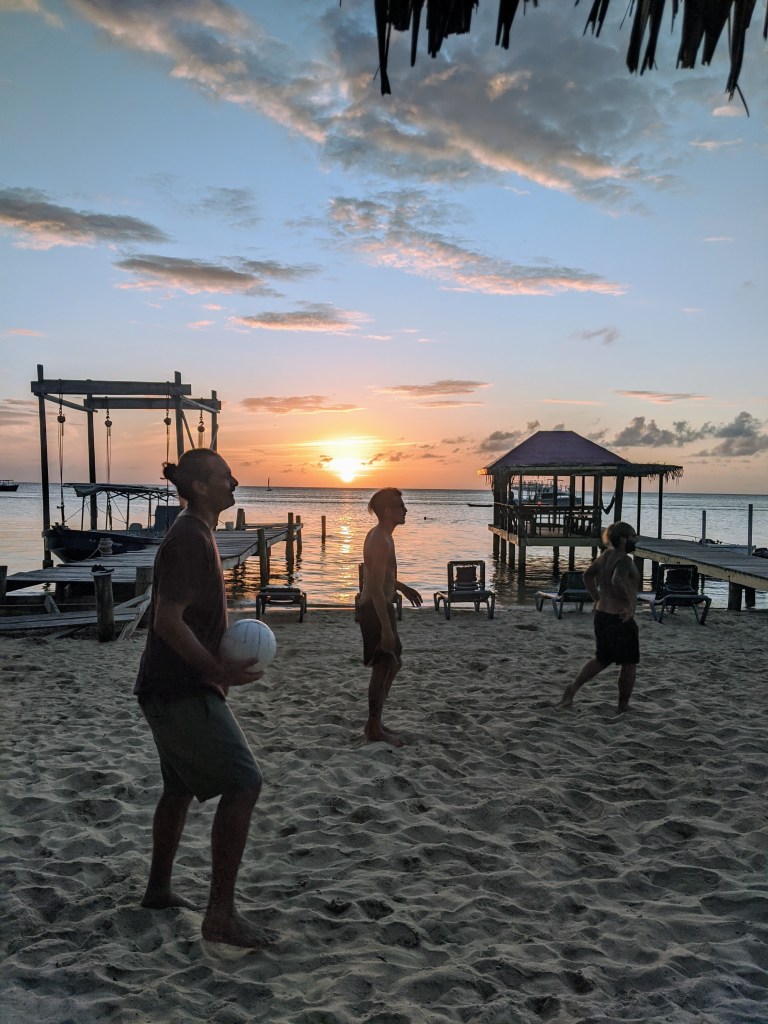
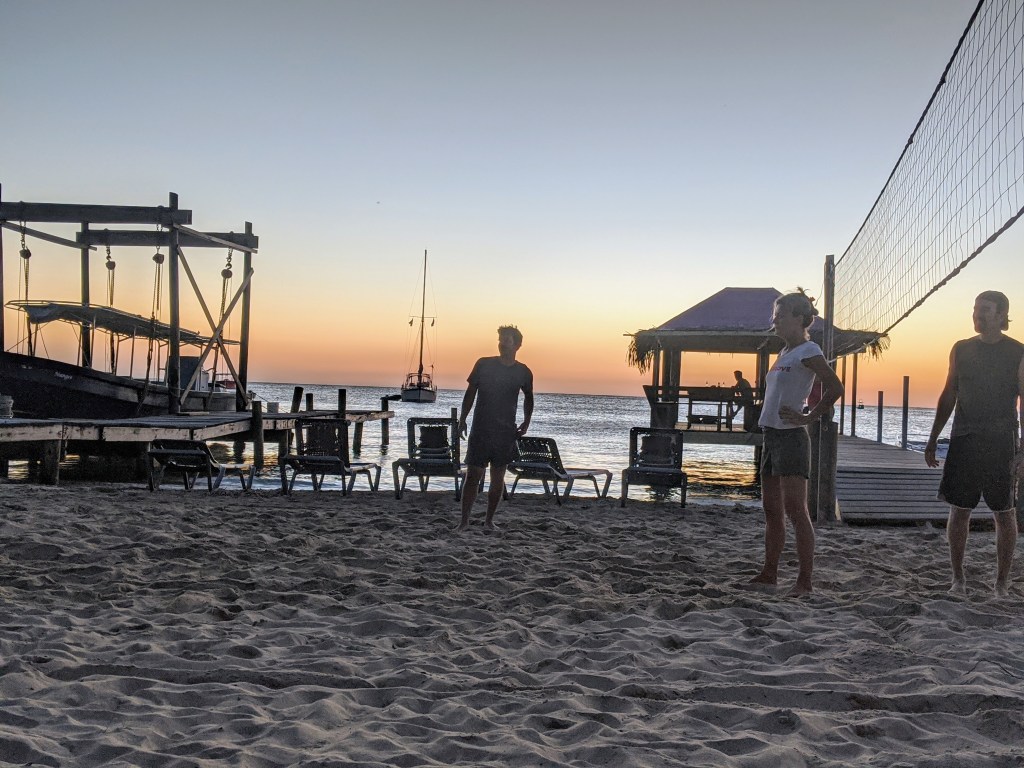
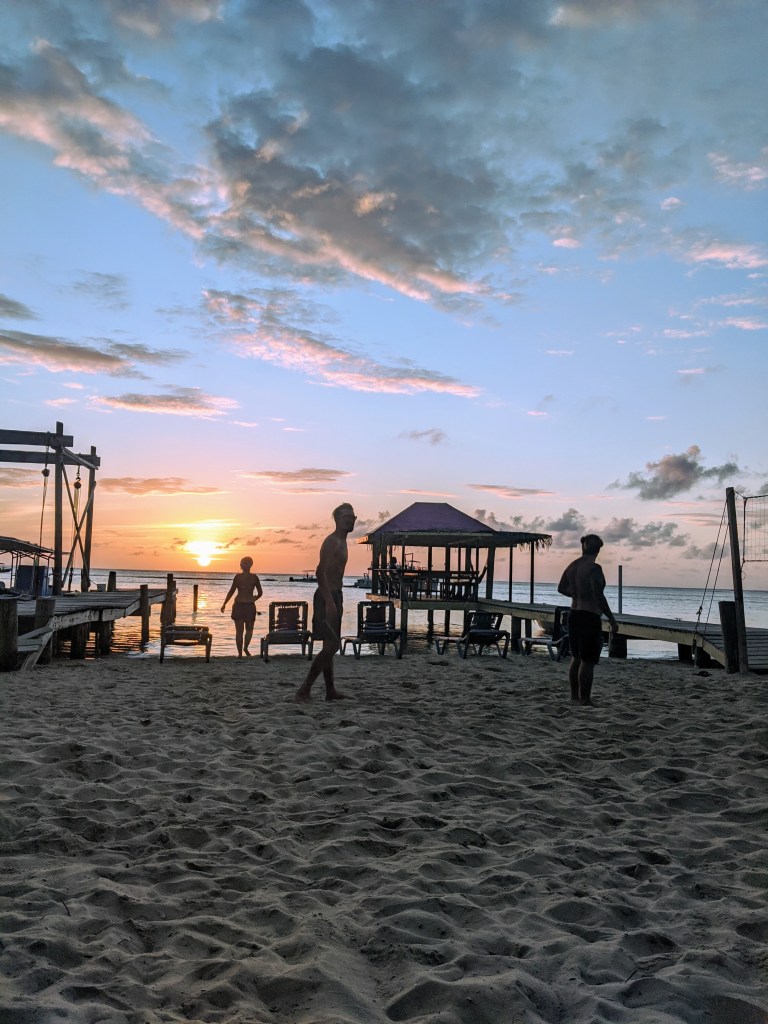
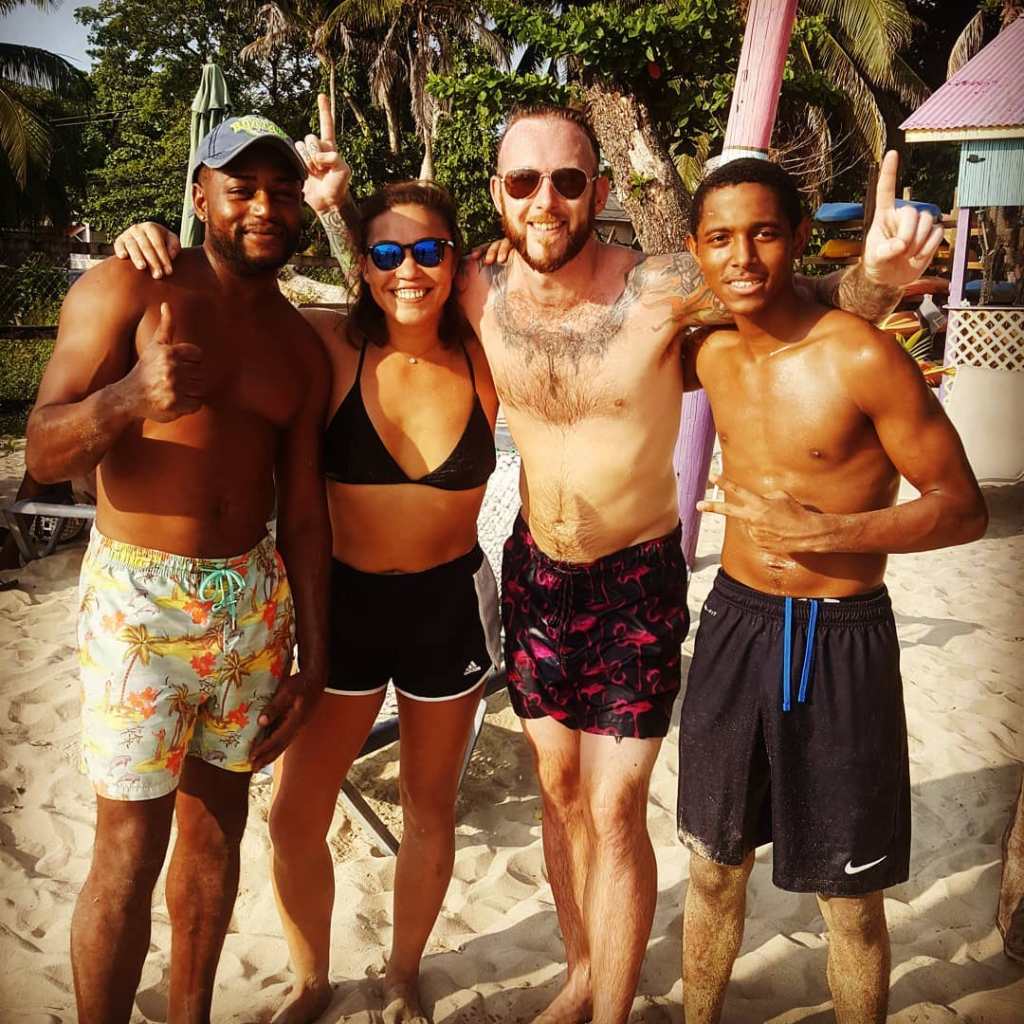
Beach volleyball became a significant part of my life while I was living on the island of Roatán in Honduras. Almost every day, I would play. We would meet at 4 pm, at the End of the World Beach Bar in the West End. The court was situated perfectly on the beach, with a lovely shallow area to swim and cool off after a game. The bar next to it was local run, offering up an incredible menu, one of the best mojitos I’ve ever had, and always a cold beer.
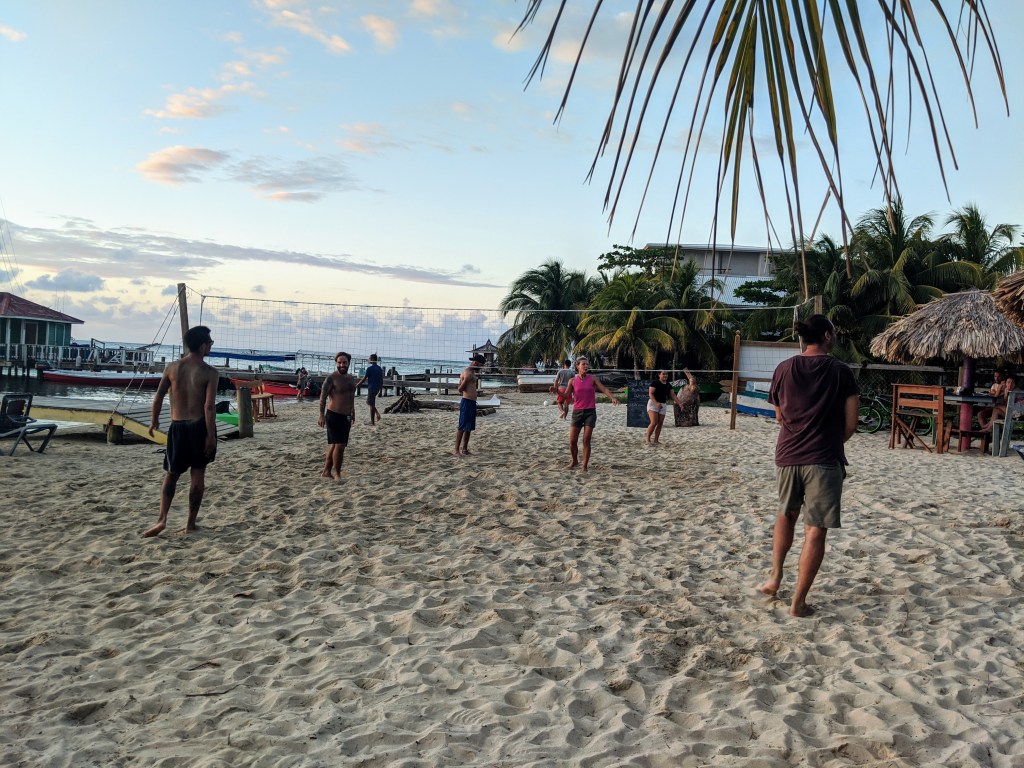
Photo Credit: Sidestreet Travel The crew
At first, the group was relatively consistent and small, but people started coming to watch, sit and chat, and have a beer and then more and more people began to play. The volleyball crew was ever-evolving, but it was a wonderful mix of Italians, Argentinians, Canadians, Spanish, Honduran, American, and Swiss when I arrived. We would play from 4 pm until sunset. It was such a beautiful way to watch the sunset. We were in paradise.
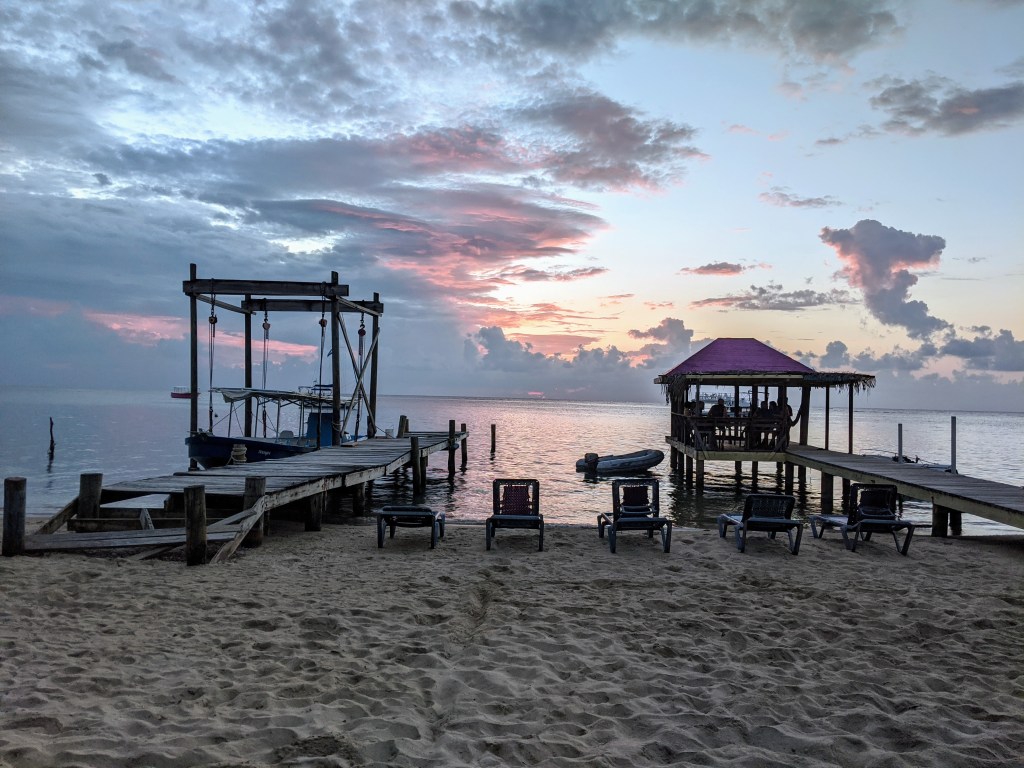
The many sunsets of Roatán.
Photo Credit: Sidestreet TravelAnd sometimes you would make furry friends. Or game stoppers.
Video Credit: Sidestreet Travel.The morning Sessions
Quickly, the group ballooned, and we had to start playing in shifts. Some of us would go a little earlier to play. Then COVID hit. The situation changed, and the uncertainty of transmission split the group apart. At first, I stopped playing because the situation was tense, we had a curfew and police presence was high. My villa bubble decided to create a morning session, so every day at 9 am, we would head to the beach for 2 hours of two-on-two. Not only did this keep us fit, but it also secured golden brown tans and luscious highlights in our hair. Our volley anthem became “The Living is Easy” by Guts.
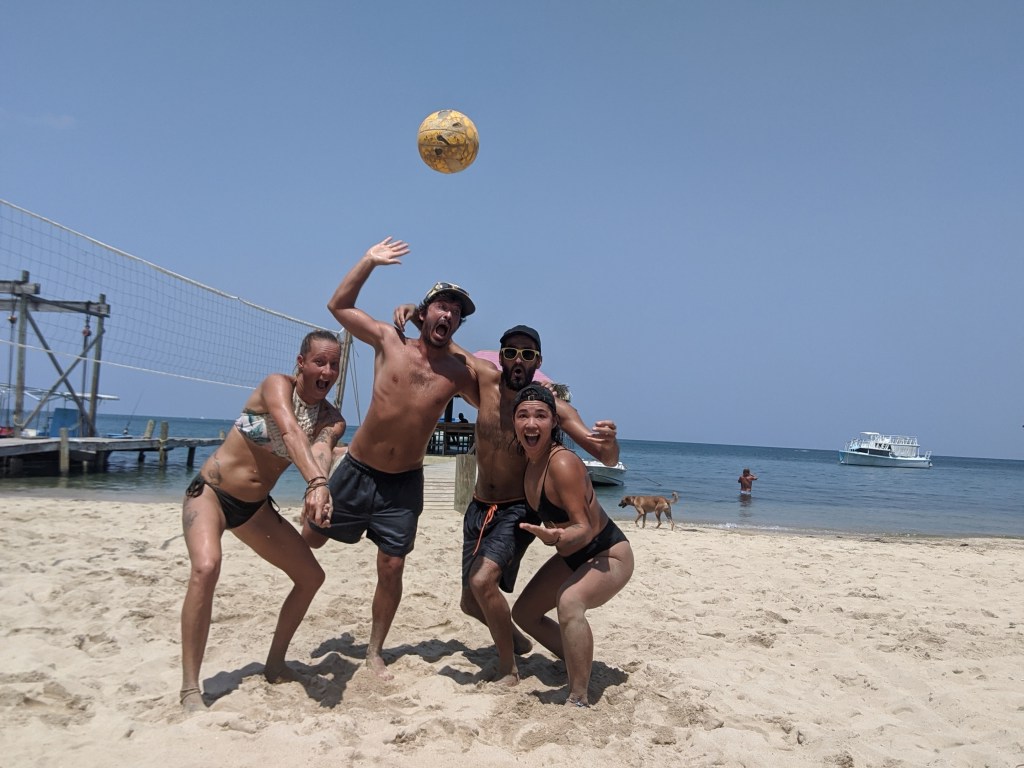
Photo Credit: Sidestreet Travel Cultural exchange
Before COVID, between matches, one of the players who would later become a good friend of mine, brought mate to drink. Mate is a popular drink in the southern part of South America. In this instance, it came from Argentina, where my friend is from. It is harvested, dried, and cut then packaged for consumption. When you prepare the drink, you use a gourd with a bombilla, a metal straw with metal rings at the bottom that act as a sieve to keep the leaves out. Mate is an energizing drink; it gives you a more even-keeled boost compared with coffee. Considered the drink of friendship in Argentina; it is meant to be shared. I enjoyed the ritual of making the mate and sharing it with friends.
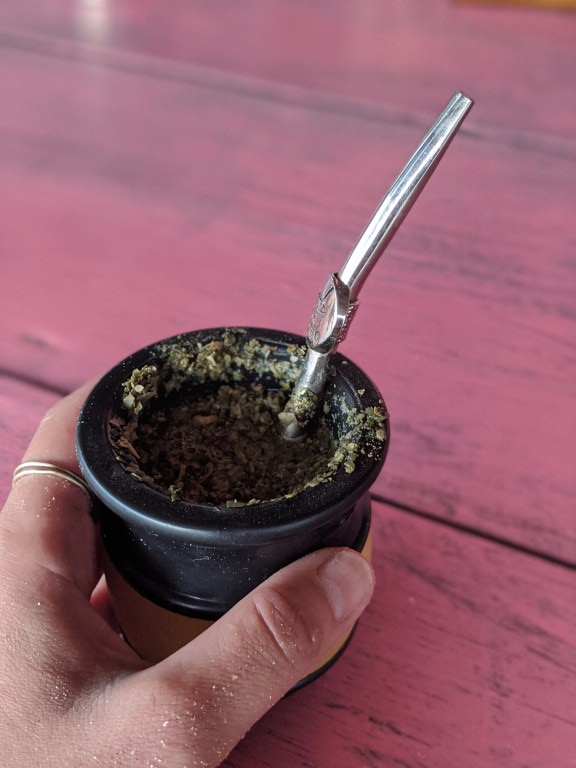
Drinking mate between matches.
Photo Credit: Sidestreet TravelVolleyball Tournament
After a few weeks, things began to relax, and the group decided to organize a volleyball tournament. At this point, cases were low, and most of us coexisted in each other’s bubbles, the funny thing about islands. The tournament would be an epic battle. We selected captains, strategies devised, and everyone began to train seriously.
I am a competitive player, and I wanted to win. I had been nicknamed ‘Chung-Lee’ after the Street Fighter character because of the integrated martial arts movements I would use during play. Every player had a style and a nickname. Our Team was ‘The Absolute Beauts’.
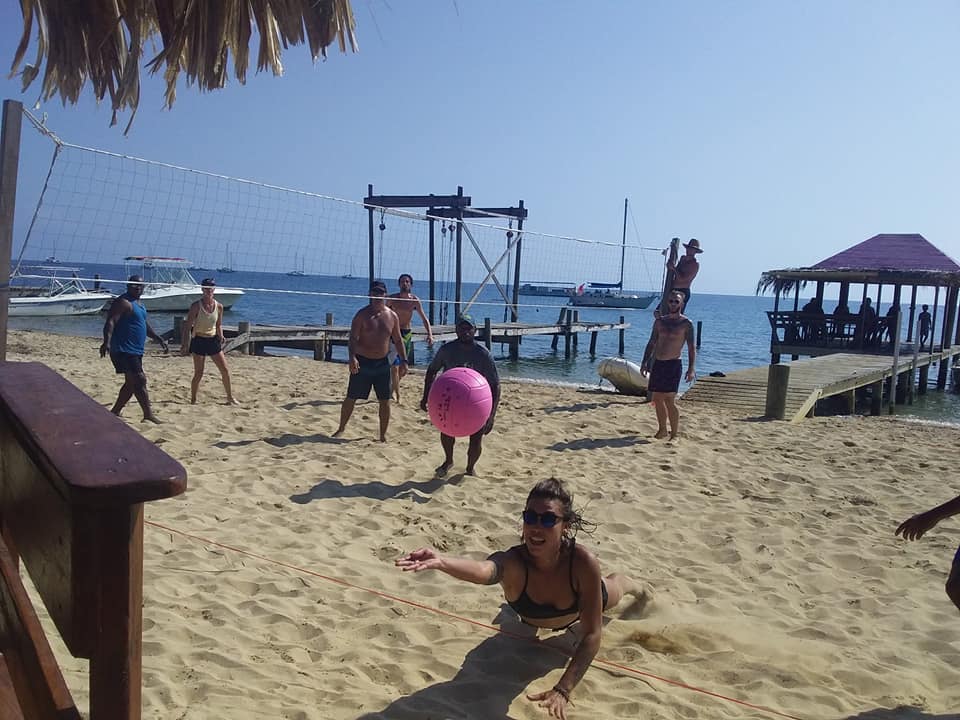
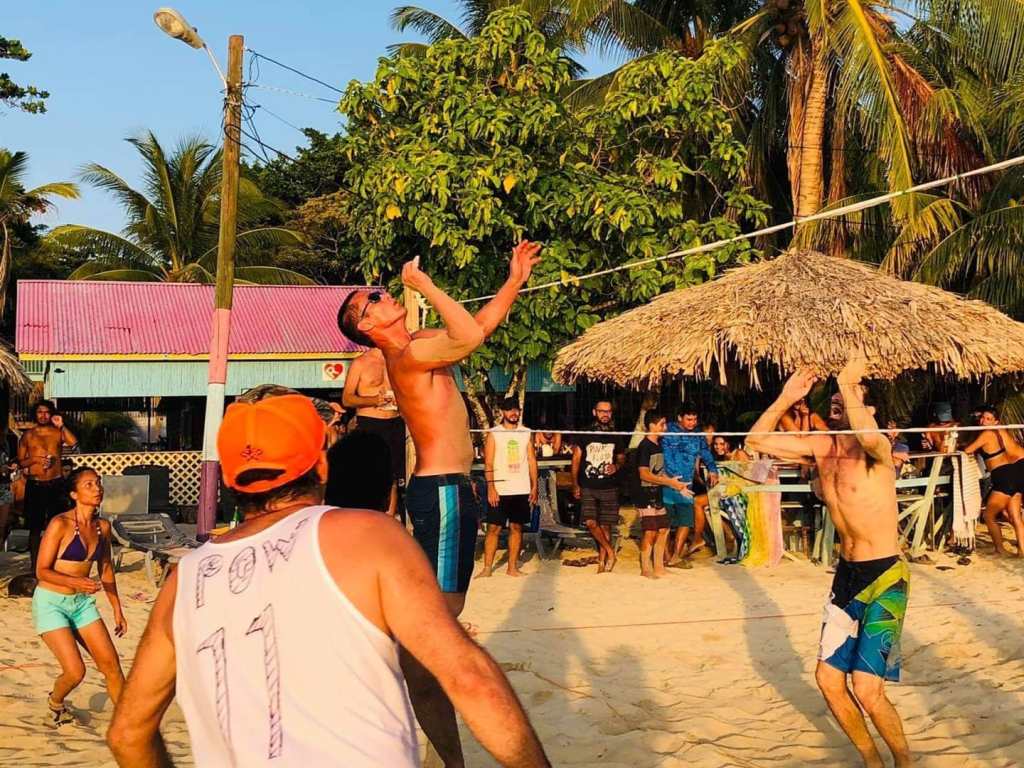
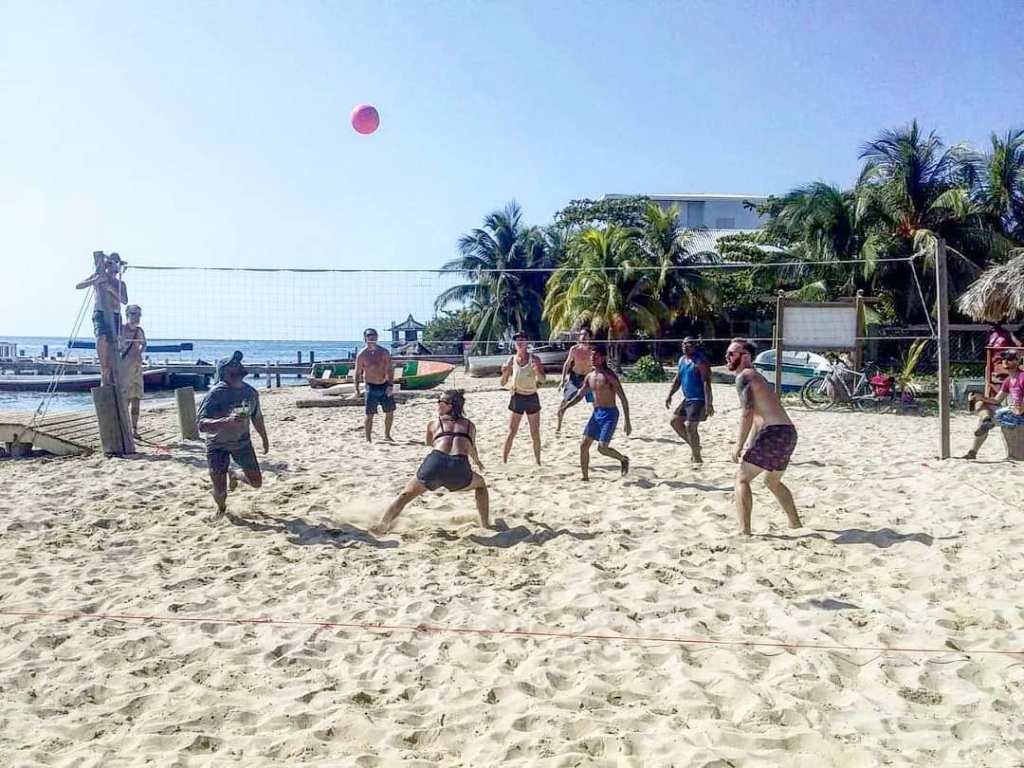
Top Left: Classic Dive; Middle: Tournament Action (Photo Credit: Jecaeah Joanis); Top Right: In It to Win It; Bottom: The Absolute Beauts. An epic battled unsued, as the teams of four gave their everything to be the champions. In the end, our team won! We had such an eclectic group of people who came together of all skill levels, playing together, and making incredible memories. We had our little community that had blossomed and grew into this extraordinary family of ex-pats and locals from the island.
Volleyball in Roatán
In Roatán, volleyball is a popular sport because of the easiness of play and the tropical weather’s suitability. In Honduras, especially Roatán, Volleyball is an integral part of life and culture. We even had a professional player playing with us, who represented Honduras on the international stage. He then became a teacher, helping to bring the sport to schools and children. Volleyball presents an opportunity for youth to get involved in a sport, which creates an opportunity for fitness, socializing, and potentially leading to scholarships to university or college.
There are several projects to promote the sport amongst youth from lower-income families, for example, One Team. The project’s focus is to use “the sport of beach volleyball to convey positive values to children and young people. In free training units, they experience team spirit and learn to take responsibility for themselves and others.” They also integrate the UN Sustainable Development Goals, focusing on Goal #3- ‘Vaccinate Your Family,’ Goal #4 – ‘Help Educate the Children in Your Community,’ and Goal #5 – ‘Empower Women and Girls and Ensure Their Equal Rights,’ into the DNA of their organization.
The Banana bread crew
An exceptional event occurred that will forever be remembered as the Banana Bread Incident. One day, while playing volleyball, a passerby walked next to the court, and the ball came close to her causing her to drop her loaf of banana bread in the sand. After that, whenever people needed to pass by the court, we would stop play and yell ‘Banana Bread’ to alert everyone of the game stoppage. We later would add ‘Baby Banana’ for the toddlers that would sometimes be playing near the courts. Although we were all sad for the dropped banana bread, it ended up taking on a life of its own.
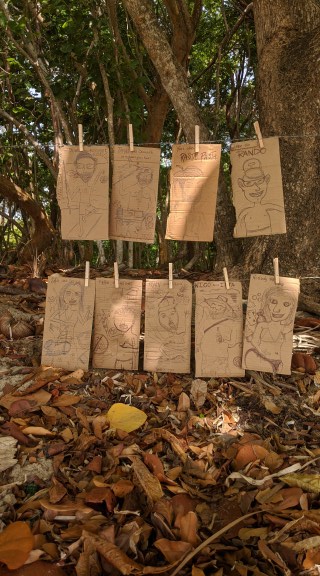
The Banana Bread Crew Photo Credit: Sidestreet Travel
-
5 Card Games I Learned in Quarantine

Island Quarantine
From March 16th to July 16th, I had been in lockdown on a small Caribbean island, Roatán, in Honduras. I originally went to work remotely, complete my divemaster program, and learn to lead a slower lifestyle on an island. After a few months, I intended to leave the island; however, all of that changed with COVID19. Although I attempted to go when things were starting to hit the proverbial fan, I ended up staying on the island, and it was the best decision. One of the best takeaways from this experience was learning a whole new set of card games that not only passed the time but helped me know more about the lives and cultures of my newly acquired quarantine family. How many of you played cards endless through the quarantine?
A Brief History of CArds
While researching the origins of cards, I came across a fantastic piece in the Atlantic about their history and evolution. The origins of cards are contested. There is evidence in China that what we know as cards took the form of yezi ge, which translates to ‘game of leaves’ appearing in the 9th Century. (Atlas Obscura) However, both the French and British lay claim to the game as well, “The French avow their standardization of the carte à jouer and its ancestor, the tarot. And the British allege the earliest mention of a card game in any authenticated register.” (The Atlantic).
We almost take the game, and even the cards themselves, for granted. The design of the cards is packed with meaning and symbolism. For instance, the “card names, colors, emblems, and designs change according to their provenance and the whims of card players themselves. These graphic tablets aren’t just toys, or tools. They are cultural imprints that reveal popular custom.” (The Atlantic). I recommend reading the articles from Atlas Obscura and The Atlantic. They are both enlightening and fascinating overviews of the history of cards.
The Card Games I learned
I wanted to share these games to showcase that one, cards are universal and two, you can learn a lot about a culture from these games, third, that many of these games share similar gameplay or tactics just in different combinations or ways. Aside from a few games specific to a set of cards from Italy, we were able to play most of the games on a standard deck of cards. The range of card games has origins in Canada, the USA, France, and Switzerland. I provide a general overview for each game and link it to each game for the full rules.
1. Canada – Shithead
The objective of Shithead is to get rid of all your cards. You have a set of three cards in your hands that you always have to replenish until the pile is out. Once you have used all the cards in the remaining deck and your hands, you can use the cards laid out in front of you to finish the game.
The catch, there are three cards face up for everyone to see, but there is one card under each of the three cards face down, so the game comes down to chance. This game is excellent for a group or just two. When I played in twos, I added a fourth card to spice things up. My success rate was quite high, leading to a ban on playing the game with certain people.
2. Switzerland – Cabo
This game was taught to me by my Swiss friend, not originally from Switzerland. It is a bit of memory and speed. In Cabo, you are dealt four cards face down with a draw pile. The game’s object is to get rid of all your cards and have the lowest accumulated points in the cards face down. As you play, you will have to be strategic about changing cards in your set, stealing from others, or ‘peeking’ at cards to win the game. Hence the emphasis on memory.

3. France – Corsican Battle
Corsican Battle is like a myth game, it is similar to War; however, when I tried to find offical rules none matched the version I played. It makes me think it’s more of a word of mouth game, which feels rare and also special. The essence of the game is a battle to win all the cards. It took me a long time to win, so much so that once I did, I retired. I think my competitive nature gets the best of me, and my French opponent, and friend, who showed me this game was also very good at this game and won all the time. It became very frustrating; however, don’t let this dissuade you.
Corsican Battle does feel like you are going into battle. A little… This game divides the deck in half between two people. Each person flips a card, and depending on the card will win that battle. but you have to slap the cards to win. Kings, Queens, Jacks, and Aces allow you an extra chance to lay a high card and eventually win the pile. The tapping is where things can get competitive; needless to say, it’s a fun game, but make sure you play on a solid surface and prepare to get your hand slapped, once or twice.
4. France – Spoons
The game Spoons is a lively game. The object is to find a set of four cards of the same value (i.e. all fours) and when you do grab a spoon. Once someone has caught a spoon, it doesn’t matter if you have completed your set; you are now free to grab a spoon and the last person to grab a spoon loses. There will be one less spoon on the table than players. The game goes quickly, expect to be on your toes to get that spoon.
5. USA – Rummy
We all know Gin Rummy, and yet we all have our own version. I know that my version was quite different than the rest, so I guess the cheese stands alone, but maybe I was merging the multiple types of rummy. Looking into the rules of Gin Rummy I realized how many official versions exist.
Travel Pro-Tip: Cards As Souvenirs
While travelling in Taiwan, I came across a super cool deck of cards that showcased all the fantastic street food types in Taiwan. I picked up the deck of cards as a souvenir and a beautiful reminder of Taiwanese food culture and my trip. The other cool thing is they included a list of the best places to get all the types of food!
Now, that is smart marketing but also a great way to help people travel and immerse themselves in a local experience. A deck of cards is an excellent souvenir because it still serves a practical purpose for those moments where you are left waiting for your next plane or train, or you want to pass the time in the evening with a glass of wine and some friends.
What I Learnt From PLaying Cards
The act of playing cards wasn’t so much the focal point as interacting with others, building friendships, learning about other cultures, jeering and cheering for each other, and ultimately making memories that will last a lifetime. I know not every card game or experience will feel this permanent, but I am thankful for the time I had with this incredible group of people. I am grateful for the opportunity to learn a new game but have something to conjure up nostalgia the next time I play. I hope to learn more games, so if you have any to share, please leave a note in the comments box!
-
French Etiquette: 13 Faux-Pas Foreigners Make in France and How to Avoid Them
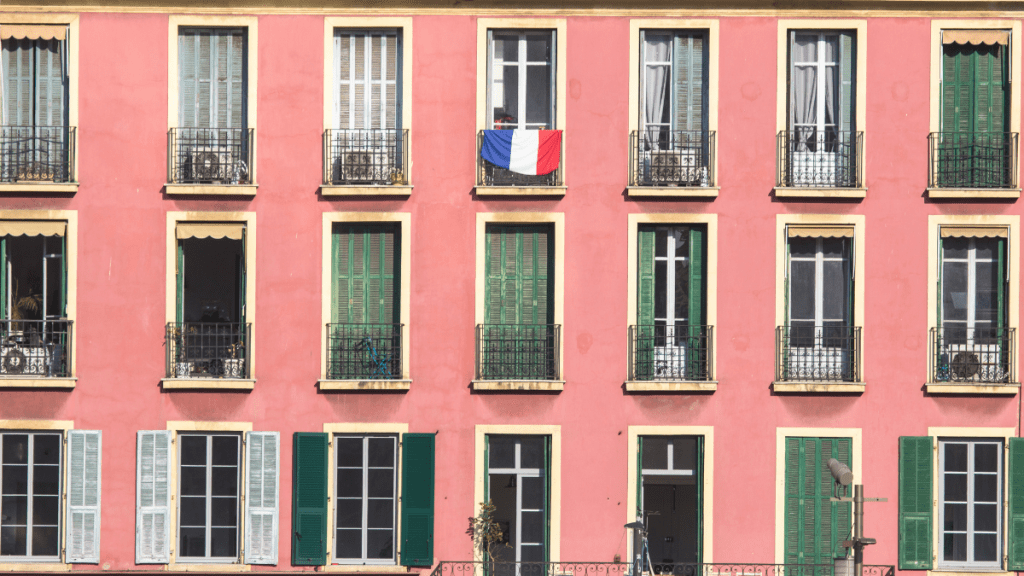
Introduction
During this quarantine, I’ve had the opportunity to learn more about French culture and the proper protocols to follow in various social situations and the infamous faux-pas. This blog post was influenced by a conversation about French culture and first impressions as a visitor. Initially, my first impression of France and French culture was in Paris, and it was mixed; some people were helpful, while others just ignored me. It made me feel like Parisians were quite snobby, or was it a more widespread cultural phenomenon.
What is a faux-pas?
The word faux-pas translates to ‘false-step.’ Literally, it means to blunder or to make a mistake but with regards to a particular set of cultural norms. It has been adopted into the English language since the 16th century and other French words such as bon appétit, rendez-vous, and déjà vu. The faux-pas concept encapsulates the local-foreigner experience well, not only in France but all over the world. A notable example is Japan, but I will save this for another blog post.
In French culture, there is a complex web of cultural norms embedded in your life from a young age. There are countless books written on the topic because it is so detailed and intricate. One of France’s most recognizable cultural norms is the two-kiss greeting, which is popular in other European countries but is mandatory in French culture. Some are recognizable from cultural exchanges such as films, books, or just meeting a French person.
What makes faux-pas so interesting is how often it can occur (in most cases unintentionally) and how these actions can create reactions. Over time, these reactions become ingrained responses, which creates a feedback loop. This feedback loop is that tension I noted earlier between locals and foreigners, which reinforces assumptions on both sides, leading to the faux-pas by a foreigner and the ingrained (and irritated) response by a local.
You only have to think of a personal experience where you are from when tourists inundate your city or town. You are left feeling irritated by the influx, at the inability to get a table at your favourite spot, or bad manners (all of them). My hope is that recognizing some of the common faux-pas that we as visitors can make will help break this feedback loop and instead try to actively engage with locals and adapt and immerse yourself into local customs for a more authentic experience. This is by no means an exhaustive list, but it reflects our combined observations and experiences.
13 Common Faux-Pas in France
1. Eating Out and Expecting a Fast Food Timeline
When you go out for a meal in France, you cannot expect your food to be cooked and served under 30 minutes, like in North America. Nor should you devour your food without pausing to enjoy the whole experience, not just the food but also the wine, company, and conversation. If you genuinely want a fast food experience, Mc Donald’s is your best bet.
If you want to eat as the locals do in France and experience the food culture, slow down. Sitting down to dinner with friends or family is meant to be a process; you have a cocktail or a glass of wine and multiple courses to be eaten over the night. The lingering feeling of eating, talking, and spending time with your companions is the focus.
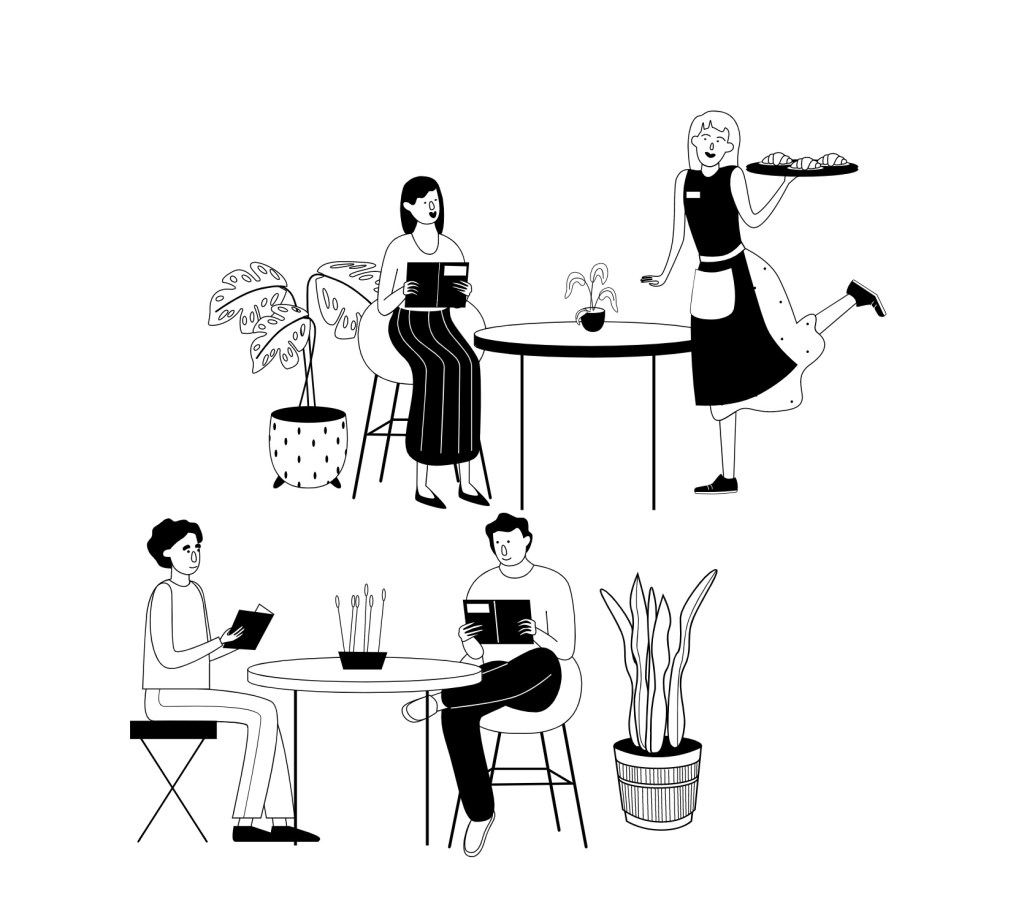
Cover illlustration and this illustration from itg.digital In North America, it feels like we order and expect our food to be served immediately, then we speed eat our meal without savouring or taking our time. Or, if you want to linger and take your time, you’re being timed to make room for the next table. Eating is a slow experience meant to be a social engagement with friends, family, and loved ones. So, don’t complain about the length of time.
2. Not Cleaning Your Plate
In some cultures, you leave a little behind on your plate because it is considered rude to clean your plate. Not in France cleaning the plate signals to your host or the chef that you thoroughly enjoyed your meal. However, there is one caveat; you must clean the plate with bread, not your knife! I love this one because bread truly serves a delicious purpose here.
Baguette – a delicious way to clean your plate!
3. Say Bon Appétit Before You Eat
Say this before you eat. It’s one of those fancy French words that we’ve integrated into English (and it’s also a popular food publication). It also means you have taken the time to wait for everyone else to receive their dish, or be served, and you can expect to start the meal together. It’s not only a salutation; it’s showing respect to others at the table. In the instance, dishes come out separately, and your dinner companion has signalled to start, it’s okay.
4. Make Eye Contact When You Cheers Someone, and You Have To Cheers Every Person.
This act is a two-fold tradition, you must make eye contact when clinking glasses, and you must cheers each person individually while ensuring to never cross glasses. So, prepare yourself to take a few moments to salute everyone before you take your first sip. This may seem extraneous; however, it shows respect and acknowledges each person, which is quite a beautiful sentiment.
5. Hugging Instead of Kissing
In North America, there is a lot more hugging between people, albeit it tends to be with people you know well. In France, greeting someone is done with two kisses (however, in some regions you kiss once or three times). Interestingly, men still offer a handshake when meeting someone new or in business, and only kiss each other if they are considered family or very close. Women, on the other hand, are expected to greet everyone with kisses.
Despite the gender differences, this is a well-engrained cultural tradition in France and hugging is considered to be strange and even invasive, catching many French people off guard. Another intriguing element about kissing-greeting, when you arrive or leave a party, event, dinner, etc. you are expected to kiss everyone before you leave. If you do not, this is considered to be quite rude.
6. Bad Manners
A simple hello/goodbye/thank you can go a long way, this seems intuitive; however, it appears that when tourists ask for help, they tend to be a bit too direct and miss the subtle greetings and go straight to the question. This seems to be a repetitive issue in high tourist areas, and it’s no wonder that tourists may receive curt responses. So, it is advisable, and also just a nice thing to do, to insert a greeting before a question.
Illustration from itg.digital 7. No Tipping at Restaurants
Although tipping is prevalent in North America, in fact, expected in many places, it is not necessary for France. In North America, the wages tend to be lower, and servers make their money through tips, so the customer service level is higher to earn said tips. However, in France, this is the opposite; the wages are higher for servers, and because tips are not mandatory, the level of customer service can be a bit lower, albeit, depending on where you are. There is also an 18% service tax that is included on every bill.
8. Avoid Small Talk
Don’t use small talk as a crutch. It’s okay to start a conversation with some starter topics (try to avoid the weather, professions, and politics). Still, it’s essential to evolve the conversation into more engaging issues such as travel, the local context, films, or non-political news items.
9. Avoid Talking About Money or Flaunt Wealth
It is best to avoid discussions about wealth, particularly inquiring about the financial status or salary of a French person unless you are close friends. It seems like common sense; however, I’ve noticed that more and more people speak about wages and the money they earn. For some, this is normal; in France, talking about money is a no-no.
10. Tu/Vous
Vous is the formal pronoun for ‘you’ only use ‘tu’ if it’s family or friends. If you’ve been invited to say ‘tu’ by a French person, you can use the informal pronoun otherwise use vous to show respect.
11. Puncationality is Essential, but Never Show Up Early to a Party
Arrive 15min later than the set time, this ensures that the host has ample time for preparation. Additionally, always bring a bottle, or two, to share, which you never take it back. In France, you bring food and drink to share with everyone at the party. BYOB doesn’t exist. I think this is a great way to host a party because you know your guests will pay it forward when they host, and it also makes sharing and enjoying the party much less complicated, allowing you to focus on enjoying yourself.
12. Entrée is a Starter, Not the Main Dish
This is followed by the main and dessert. This is a funny one because an entrée has always been a main for me, which I think is the case throughout most of North America. It’s an interesting cultural appropriation of the word entrée but used in the completely wrong context. The next time you are in France and want to order an entrée, remember this is your starter and not your main dish.
When you are in a restaurant, you will be asked to place your order for an aperitif to start and entrée should you want it, your main dish, and a bottle of wine to be paired with your principal. The aperitif will be served with snacks (offered by the restaurant). The aperitif is very popular and not something to skip. After the aperitif, your entrée will arrive, followed by the main dish. This course is eaten in a slow progressive manner, as noted earlier. I appreciate the slow dinner process.
*Cultural side note if you attend a dinner party, the setup is slightly different. It follows a similar sequence as noted above, but after your main make room for a cheese platter and then finally dessert. The cheese platter seems to be less prevalent in restaurants.
13. Chivalry Isn’t Dead
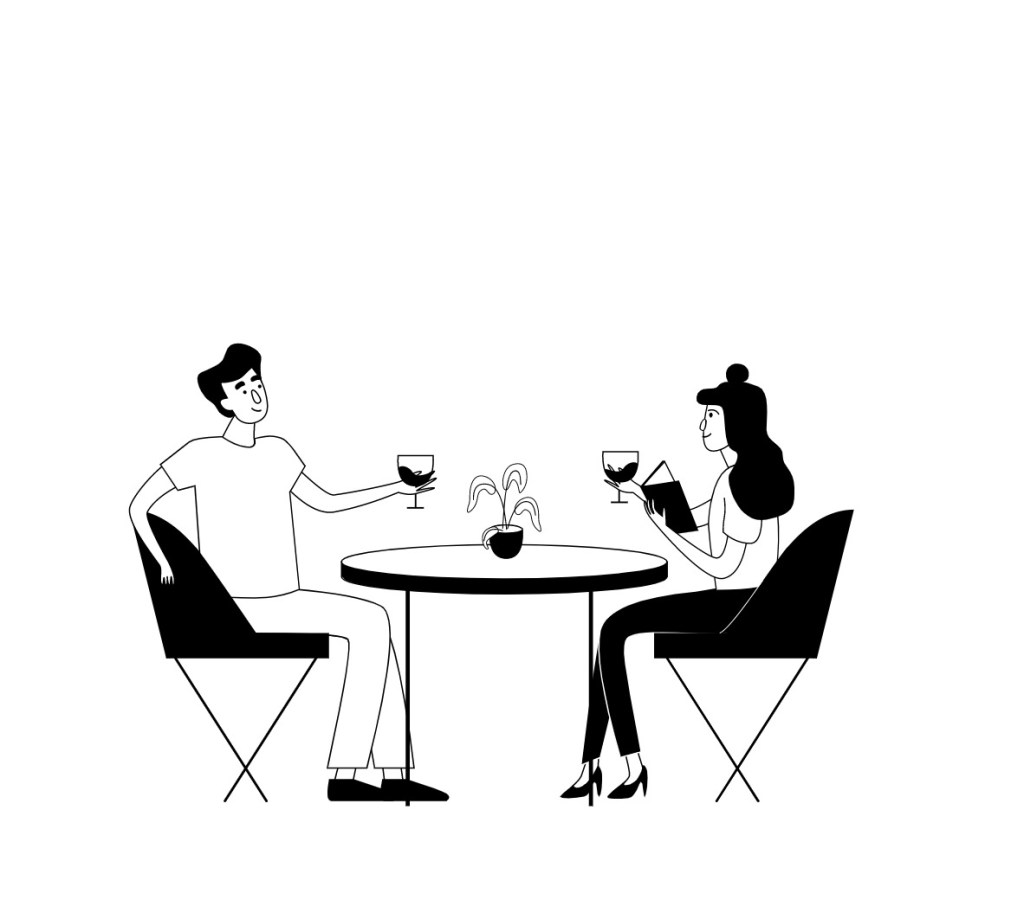
Illustration from itg.digital Dating already has a complex set of rules you have to abide by but now throw on the added layer of dating a foreigner or in a foreign country. Although this may be a contentious point, according to my friend, if you go on a date with a French guy, he will usually offer to buy the dinner the first time. This may not seem that far off from North American experiences. However, France is known to be one of the most romantic countries, so embrace the chivalry and any romance that comes your way, just don’t take it for granted. If you are out for drinks, offer to purchase the first one, it’s a nice gesture to offer; however, it’s the nice thing to do to buy the next round. It may seem like another intuitive point, but I wouldn’t have anything to write if it was. So, appreciate the gesture of someone offering to take you to dinner or to buy you a drink and return the favour.
Conclusion
So, now that you’ve been briefed on some essential French customs, this should help you avoid any gaffs on your next trip to France, ensuring that you have a pleasant experience along with all the people you encounter.



About Me
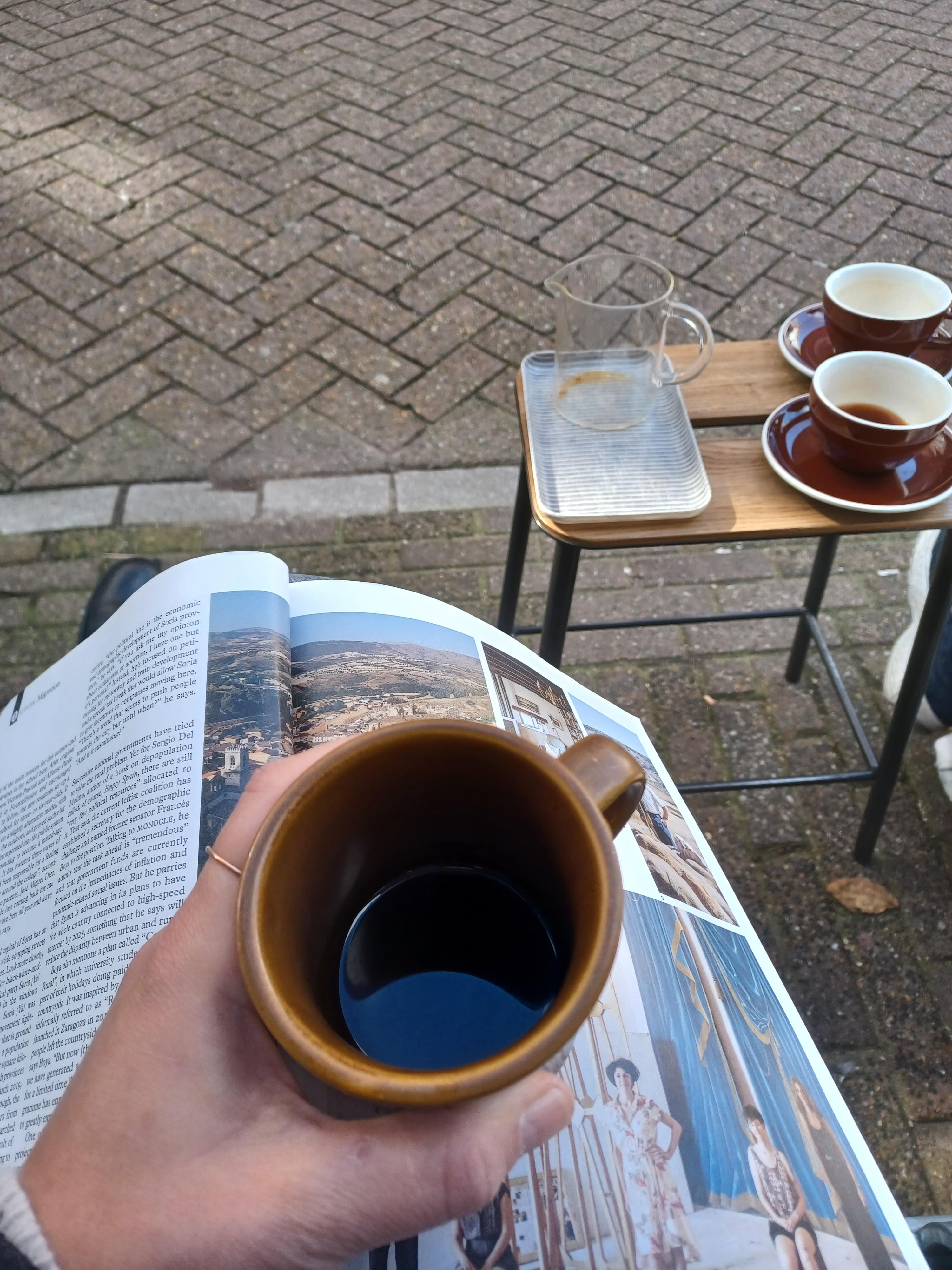
I always start my trips at a cafe, well known for it’s filter coffee or flat whites, followed up with a quick chat with the baristas on their favourite spots in the city. And getting lost in the sidestreets has always yielded the most interesting things.
Follow Me On
Subscribe To My Newsletter
Subscribe for new travel stories and exclusive content.
 Sidestreet Travel